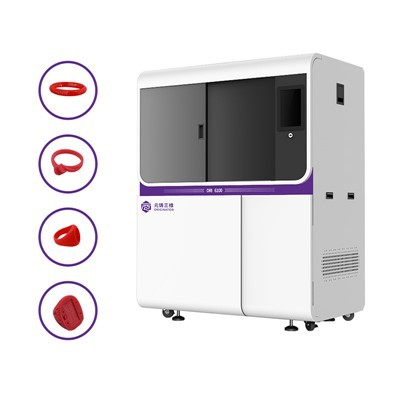
As a supplier of Wax 3D Printers, I often receive inquiries about the heat resistance of the wax printed by our machines. This is a crucial aspect, especially for industries using wax models such as jewelry making, dentistry, and investment casting. Understanding the heat resistance of printed wax can significantly impact the success of their projects. Wax 3D Printer
Basics of Wax Used in 3D Printing
Before delving into the heat – resistance properties, it’s essential to understand the types of wax used in 3D printers. Generally, waxes for 3D printing fall into two main categories: thermoplastic waxes and thermosetting waxes.
Thermoplastic waxes are the most commonly used. These waxes can be melted and re – solidified multiple times without significant changes in their chemical properties. They soften gradually as the temperature rises and become liquid at a certain melting point. This property makes them ideal for 3D printing as they can be extruded or jetted in a controlled manner during the printing process.
On the other hand, thermosetting waxes undergo a chemical change when heated and cured. Once they are set, they cannot be melted back into their original state. These are less common in 3D printing but are used in some specialized applications where high – temperature resistance is required after the curing process.
Factors Affecting the Heat Resistance of Printed Wax
Wax Composition
The chemical composition of the wax plays a fundamental role in determining its heat resistance. Different waxes are made up of various hydrocarbon chains, additives, and polymers. For example, waxes with longer hydrocarbon chains tend to have higher melting points and, therefore, better heat resistance. Some manufacturers add polymers to the wax to enhance its mechanical properties and increase its heat – resistant capabilities.
Printing Process
The way the wax is printed can also influence its heat resistance. In some 3D printing processes, such as stereolithography (SLA) – like wax printing, the wax is cured by a light source. The intensity and duration of the curing process can affect the cross – linking of the wax molecules, which in turn impacts its heat resistance. If the wax is not fully cured, it may have a lower melting point and be more prone to deformation at relatively low temperatures.
Post – processing
Post – processing steps can either improve or degrade the heat resistance of the printed wax. For instance, if the printed wax model is subjected to a heat – treatment process, it can sometimes increase the crystallinity of the wax, leading to better heat resistance. However, improper post – processing, such as exposure to solvents or high – humidity conditions, can weaken the wax structure and reduce its heat – resistant properties.
Measuring the Heat Resistance of Printed Wax
There are several methods to measure the heat resistance of the printed wax. One of the most common methods is differential scanning calorimetry (DSC). DSC measures the amount of heat absorbed or released by a sample as its temperature is increased at a constant rate. The melting point of the wax can be accurately determined from the DSC curve. This provides valuable information about the temperature at which the wax starts to soften and eventually melts.
Thermogravimetric analysis (TGA) is another useful technique. TGA measures the change in the mass of a sample as it is heated. It can help identify the decomposition temperature of the wax and any weight loss due to the evaporation of volatile components. This is important as it gives an indication of the wax’s stability at high temperatures.
Typical Heat Resistance Values for Wax Printed by Wax 3D Printers
The heat resistance of wax printed by our Wax 3D Printers can vary depending on the specific wax material and printer settings. Generally, for standard thermoplastic waxes used in jewelry casting, the melting point ranges from around 45°C to 65°C. These waxes are suitable for most low – to medium – temperature casting processes.
For some specialized applications, such as high – precision investment casting, we offer waxes with higher heat resistance. These waxes can have melting points in the range of 70°C to 90°C. They are designed to withstand the higher temperatures required for casting more complex and heat – resistant metals.
Applications and Considerations Based on Heat Resistance
Jewelry Making
In jewelry making, the wax models are typically used to create molds for casting precious metals. The heat resistance of the wax is crucial as it needs to withstand the initial investment casting process, where the wax is melted out of the mold. If the wax has a low melting point, it may start to deform or crack during the heating process, leading to inaccurate molds and flawed jewelry pieces. Therefore, jewelers usually prefer waxes with a melting point above 50°C to ensure a smooth casting process.
Dentistry
In dentistry, wax 3D – printed models are used for creating dental prosthetics such as crowns and bridges. The heat resistance of the wax is important during the wax – to – ceramic or wax – to – metal conversion processes. Dental laboratories require waxes that can withstand the high temperatures of the sintering or casting processes without significant deformation. Our high – heat – resistance waxes can meet the demanding requirements of the dental industry and ensure the accuracy and quality of the final dental products.
Investment Casting
Investment casting is a widely used manufacturing process for producing complex metal parts. The wax patterns used in this process need to have sufficient heat resistance to survive the autoclaving or furnace heating steps used to remove the wax from the ceramic mold. For high – volume production and casting of heat – resistant metals like stainless steel or titanium, using waxes with high melting points is essential.
Ensuring Optimal Heat Resistance in Your Projects
To ensure that you get the best heat – resistant performance from the wax printed by our Wax 3D Printers, it’s important to follow some guidelines. First, choose the right wax material based on your specific application requirements. Our technical support team is always available to assist you in selecting the most suitable wax for your project.
Second, optimize your printer settings. The printing speed, layer thickness, and curing parameters can all affect the heat resistance of the printed wax. By fine – tuning these settings, you can achieve the best possible heat – resistant properties.
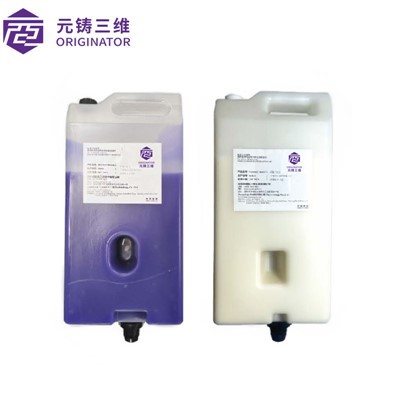
Finally, carry out proper post – processing steps. This may include heat – treating the printed wax models at a controlled temperature to enhance their crystallinity or using appropriate cleaning and drying methods to remove any impurities that could affect the heat resistance.
Contact Us for More Information
Wax 3D Printer If you are interested in learning more about the heat resistance of the wax printed by our Wax 3D Printers or if you are considering purchasing our printers for your business, we would be more than happy to have a discussion with you. Our team of experts can provide in – depth information on different wax materials, printer capabilities, and their suitability for your specific applications. Do not hesitate to reach out to us to start a productive conversation about how our products can meet your needs.
References
- ASTM International. “Standard Test Methods for Melting Behavior of Hydrocarbon Waxes (Cooling Curve).” ASTM D127 – 15.
- Wypych, G. “Handbook of Fillers, Second Edition.” Chemical Publishing, 2000.
- Ratner, B. D., Hoffman, A. S., Schoen, F. J., & Lemons, J. E. “Biomaterials Science: An Introduction to Materials in Medicine.” Elsevier, 2004.
Hangzhou Originator 3D Technology Co., Ltd.
Hangzhou Originator 3D Technology Co., Ltd. is one of the most experienced wax 3d printer manufacturers and suppliers in China. With abundant experience, we warmly welcome you to wholesale high quality wax 3d printer made in China here from our factory. Contact us for more details.
Address: Room 403, Building 2, Block B, Heda Incubation Park,No. 452, 6th Avenue, Xiasha, Qiantang District,Hangzhou, Zhejiang, China
E-mail: Sales@originator3d.com
WebSite: https://www.originator3d.com/
