As a provider of single point load cells, I’m constantly asked about their shock resistance. In this blog, I’ll share our knowledge and insights about shock resistance in single point load cells, including what it is, why it matters, factors affecting it, testing and measurement, how to improve it, and typical applications. Single Point Load Cells
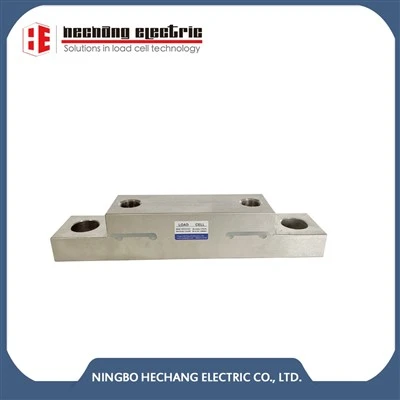
What is Shock Resistance in Single Point Load Cells?
Shock resistance refers to the ability of a single point load cell to withstand sudden and intense mechanical impacts or forces without suffering permanent damage or significant performance degradation. In practical terms, it’s about how well the load cell can handle jolts, drops, or other sudden movements that might occur during normal use, transportation, or installation.
When a load cell is exposed to a shock, it experiences a rapid change in force. This can cause physical stress on the load cell’s internal components, such as the strain gauge, which is responsible for converting mechanical force into an electrical signal. If the shock is too severe, it can damage the strain gauge or other sensitive parts, leading to inaccurate measurements or even complete failure of the load cell.
Why Does Shock Resistance Matter?
The importance of shock resistance in single point load cells cannot be overstated. Here are some key reasons:
- Reliability in Harsh Environments: In industrial settings, transportation, and many other real – world applications, load cells are often subjected to rough handling and unpredictable shocks. A load cell with good shock resistance can maintain its accuracy and functionality even in such challenging environments, reducing the risk of downtime and costly repairs.
- Long – Term Performance: High shock resistance contributes to the load cell’s long – term durability. By withstanding repeated shocks, the load cell can maintain its calibration and performance over an extended period, providing consistent and reliable measurements.
- Cost – Efficiency: Investing in load cells with high shock resistance can save money in the long run. Fewer premature failures mean less frequent replacements, less maintenance, and reduced disruption to operations.
Factors Affecting Shock Resistance
Several factors influence the shock resistance of single point load cells:
- Material and Design: The materials used in the construction of the load cell play a crucial role. For example, load cells made from high – strength alloys or specially treated metals are generally more capable of withstanding shocks. The design of the load cell, including its shape, cross – sectional area, and internal structure, also affects how it distributes stress during a shock event.
- Strain Gauge Technology: The type and quality of the strain gauge used in the load cell can impact its shock resistance. Advanced strain gauge technologies are often more robust and better able to handle sudden changes in force without damage.
- Mounting and Installation: Proper mounting and installation are essential for maximizing shock resistance. Incorrect mounting can create additional stress points on the load cell, making it more vulnerable to shocks. For example, if the load cell is not properly secured or is installed in a way that allows for excessive movement, it may be more likely to be damaged by shocks.
Testing and Measurement of Shock Resistance
To ensure the shock resistance of our single point load cells, we conduct rigorous testing. There are several industry – standard methods for testing shock resistance:
- Drop Tests: In a drop test, the load cell is dropped from a specified height onto a hard surface. The height and the surface material are carefully controlled to simulate real – world shock events. After the drop, the load cell is inspected for physical damage and its performance is tested to ensure that it still meets the required accuracy standards.
- Impact Testing: Impact testing involves using a mechanical device to deliver a sudden and controlled impact to the load cell. The magnitude and duration of the impact can be precisely adjusted to simulate different levels of shock. Similar to drop tests, the load cell is evaluated for damage and performance after the impact.
- Vibration Testing: While not strictly a shock test, vibration testing can also provide insights into the load cell’s ability to withstand dynamic forces. The load cell is subjected to various frequencies and amplitudes of vibration, and its performance is monitored for any signs of degradation.
Our test results are carefully documented and analyzed to ensure that each load cell meets or exceeds our high – quality standards. We also provide customers with the test reports upon request, so they can have full confidence in the shock – resistance capabilities of our products.
How to Improve Shock Resistance
Over the years, we have developed several strategies to improve the shock resistance of our single point load cells:
- Advanced Materials Selection: We continuously research and invest in new materials that offer better strength – to – weight ratios and improved shock – absorbing properties. By using these advanced materials in our load cell manufacturing, we can enhance the overall shock resistance of the product.
- Optimized Design: Our engineering team uses sophisticated computer – aided design (CAD) and finite element analysis (FEA) techniques to optimize the load cell’s design. These tools allow us to simulate shock events and identify areas of the load cell that are most vulnerable to stress. By making design modifications based on these simulations, we can improve the load cell’s ability to distribute stress evenly during a shock.
- Protective Features: We also incorporate protective features into our load cell designs. For example, some of our load cells are equipped with shock – absorbing pads or enclosures that can help reduce the impact of shocks on the internal components.
Typical Applications and Shock Requirements
Single point load cells with high shock resistance are used in a wide range of applications:
- Industrial Weighing Systems: In industrial environments, such as factories and warehouses, load cells are often used in weighing systems for materials handling, inventory management, and quality control. These load cells need to be able to withstand the shocks associated with heavy – duty operations, such as the dropping of pallets or the impact of forklift loads.
- Transportation Scales: Load cells used in transportation scales, such as truck scales and railway scales, are exposed to significant shocks during vehicle loading and unloading. High shock resistance is essential to ensure accurate and reliable weight measurements over the long term.
- Food and Beverage Industry: Even in the food and beverage industry, where the loads may seem less severe, load cells can be subjected to shocks during cleaning processes or when products are moved quickly on conveyor belts. Shock – resistant load cells are necessary to maintain the accuracy of weighing in these applications.
Conclusion
In conclusion, shock resistance is a critical characteristic of single point load cells, especially in demanding applications. As a supplier, we are committed to providing high – quality load cells with excellent shock – resistance capabilities. Our continuous research and development efforts, combined with strict testing and quality control measures, ensure that our products can meet the diverse needs of our customers.
Compression Sensors If you are in the market for single point load cells and are concerned about shock resistance, we would be more than happy to discuss your specific requirements. Our team of experts can help you select the right load cell for your application, ensuring reliable and accurate performance. Contact us today to start a conversation about your load cell needs and explore the solutions we can offer.
References
- ASTM International standards related to load cell testing
- Technical literature from leading load cell manufacturers
- Research papers on materials science and load cell design
Ningbo Hechang Electric Co., Ltd.
As one of the most professional single point load cells manufacturers and suppliers in China, we also support customized service. We warmly welcome you to buy advanced single point load cells for sale here from our factory. If you have any enquiry about cooperation, please feel free to email us.
Address: No.66 Yongmao West Road, Ningbo, China
E-mail: info@hcesensor.com
WebSite: https://www.hechangsensor.com/
