If you’ve ever wandered through traditional Chinese art galleries or stepped into a home adorned with cultural heirlooms, chances are you’ve encountered gongbi—one of the most meticulous, precise styles of Chinese painting, characterized by fine lines, vibrant pigments, and scenes of flora, fauna, classical figures, or symbolic motifs like peonies, cranes, or bamboo. As a supplier of gongbi national style gifts, I field a question at least once a week from clients, interior designers, and art enthusiasts alike: Can these handcrafted pieces be used as wall decorations? The short answer is a resounding yes—but to get to why it works, and how to pull it off thoughtfully, we have to dive into the unique qualities of gongbi, its cultural weight, and the practical factors that make it far more than a “pretty trinket” for a shelf. Gongbi National Style Gift
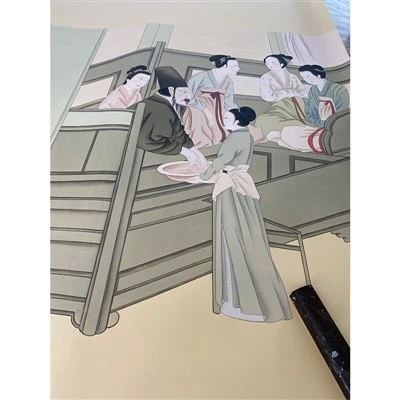
First, let’s ground ourselves in what gongbi actually is, because its origins and technical rules are key to why it translates so well to wall decor. Unlike xieyi, the more freeform, expressive style of Chinese painting, gongbi (which translates to “meticulous brushwork”) is a centuries-old technique that dates back to the Tang Dynasty (618–907 CE), when it was used to depict imperial portraits, court scenes, and detailed natural landscapes. Artists work with fine hair brushes, mineral pigments (made from ground gemstones, shells, or minerals), and silk or rice paper as a base, building up layers of color slowly to create depth, texture, and lifelike detail. That handcrafted, labor-intensive process means every gongbi piece has a level of artistry that sets it apart from mass-produced prints or reproductions you might find at a home goods store. As someone who sources directly from small, family-run studios in Hangzhou and Suzhou—regions renowned for gongbi craftsmanship— I’ve watched artists spend weeks, even months, on a single small panel; a 3-foot-wide wall piece might take three months to complete alone. That value translates perfectly to wall decor, where a statement piece needs to hold its own in a room, and gongbi’s artistry ensures it does that far more than a generic print.
Practicality is another big factor. Many people assume delicate, hand-painted art is too fragile for a wall, but the gongbi pieces we supply are designed with both tradition and modern use in mind. Traditionally, gongbi was often mounted as a hanging scroll, but today, most of our clients opt for stretched canvas mounts or thin, light wooden frames that are made to fit standard wall spaces (think 24×36 inches up to 48×60 inches, sizes that work for living room feature walls, dining room side walls, or even office reception areas). We also treat each piece with a UV-protective varnish that keeps the mineral pigments from fading in direct sunlight—something that’s a modern update to the original, which relied on cool, low-light spaces. For renters or people who don’t want to damage walls, many of our gongbi wall pieces come with removable hanging hardware, so you don’t have to drill permanent holes if you move. That practicality is a game-changer for anyone who might have written off traditional art as too high-maintenance for everyday use.
But the real magic, and what makes gongbi wall decor stand out from other types of art, is its cultural narrative and versatility in interior design. Gongbi art isn’t just decorative—it carries symbolic meaning that can tie a room’s mood together. A gongbi panel of peonies, for example, isn’t just a pretty flower; in Chinese culture, peonies represent prosperity and good fortune, making it a perfect addition to a dining room where you host family gatherings, or a home office where you want to foster a sense of success. A piece of cranes, which symbolize longevity and wisdom, works beautifully in a bedroom or a quiet reading nook. Even simpler motifs, like bamboo, which represents resilience, can ground a minimalist space, adding a layer of storytelling that mass-produced art can’t match.
I’ve seen firsthand how these pieces transform spaces in ways that generic wall art never could. Last year, a client in Portland, Oregon, ordered a set of four small gongbi panels depicting seasonal lotuses to hang above her sofa in a bright, airy living room. She told me she’d tried a series of abstract prints before, but they felt “disconnected” from her personal story as the daughter of Chinese immigrants. The lotus panels, which are delicate, with soft pink petals and green leaves, tied her cultural identity to her home in a way that felt intentional, not forced. In New York, a small marketing firm used a large gongbi wall piece of a scholar in a garden as the focal point of their reception area; employees and clients alike commented on how it made the space feel “calm but memorable,” standing out from the generic motivational posters and minimalist prints in neighboring offices. That’s the thing about gongbi wall decor: it doesn’t just fill empty wall space—it creates a conversation starter, a personal touch that makes a house feel like a home or a workspace feel welcoming and unique.
Of course, there are ways to use gongbi as wall decor thoughtfully, because not every space is the same. One common mistake I see new clients make is matching gongbi pieces to overly busy or cluttered decor. Gongbi art is meant to be crisp and detailed, so if you have a room covered in patterned wallpaper or bold, graphic furniture, a small gongbi piece might get lost. Instead, opt for a neutral, calm background: a white or light gray wall, a solid wood mantel, or a minimalist sofa with muted tones. On the flip side, if your space is more minimalist, a large, vibrant gongbi piece can be the perfect focal point without overwhelming the room. For smaller spaces, like a bathroom or a hallway, small gongbi panels (8×10 inches or 12×12 inches) work beautifully, as they add a touch of color and culture without making the space feel crowded.
Another consideration is choosing the right size. A common question is, “How big should my gongbi wall piece be?” The rule of thumb I always share is that wall art should take up about two-thirds to three-quarters of the wall space it’s hanging on, or if it’s above furniture (like a sofa or bed), it should be 50–75% the width of the furniture. That keeps the piece proportional. For example, a sofa that’s 8 feet wide works perfectly with a 6-foot-wide gongbi panel, while a small hallway wall that’s 3 feet wide pairs well with a 2-foot tall single panel, or two 1-foot square panels side by side.
I also love that gongbi wall decor works across so many interior design styles, which is a big plus for people who don’t stick to a single aesthetic. For a modern, Scandinavian-style home, a gongbi piece with soft, muted tones (like a scene of bamboo in soft green and beige) complements light wood furniture and neutral linens perfectly, adding a subtle cultural touch. For a bohemian or eclectic space, a vibrant gongbi piece with red peonies and gold accents pairs beautifully with layered textiles, potted plants, and vintage frames, adding warmth and visual interest. Even for traditional or classical interiors, gongbi wall decor is a natural fit, complementing carved wood furniture and silk drapery in a way that feels authentic, not tacked on.
Now, let’s address a question I get a lot: Are gongbi wall pieces too formal for everyday use? I used to wonder that myself, until I saw how clients have styled them. Sure, a traditional hanging scroll might be more formal, but the stretched, framed gongbi pieces we offer are designed to feel at home in casual spaces too. A gongbi panel of cats, for example, is playful enough for a family room where kids and pets run around, and its handcrafted detail feels special without being stuffy. We even have a line of gongbi pieces featuring modern motifs, like city skylines or coffee cups, blended with traditional brushwork, that appeal to younger buyers who want a nod to gongbi culture without the more traditional themes.
As someone who’s been in the gongbi gift business for over a decade, I’ve also seen how these wall pieces hold their value. Unlike mass-produced wall art that fades or goes out of style in a few years, gongbi pieces are handcrafted with high-quality materials, and many people treat them as heirlooms, passing them down to family. That makes them not just a decorative item, but a meaningful investment in your home, something that adds value and story over time.
If you’re considering adding gongbi wall decor to your space, I’d encourage you to think beyond the small trinkets you might find at a tourist shop. The gongbi pieces we supply are original, handcrafted by skilled artists, and designed specifically for wall display—so you’re not just buying art, you’re buying a piece of centuries-old cultural craftsmanship that tells a story.
Whether you’re looking for a statement piece for your living room, a subtle accent for a home office, or a thoughtful gift for someone who loves unique, meaningful decor, gongbi national style wall decor checks all the boxes: it’s practical, beautiful, culturally rich, and versatile enough to fit almost any space. It’s not just a yes—it’s a wonderful way to add depth, personality, and artistry to any wall.
If you’re interested in exploring gongbi national style wall decor options or discussing custom pieces tailored to your space, feel free to reach out to our team to schedule a conversation. You can share your design preferences, space dimensions, and any themes you’re drawn to, and we’ll help you find the perfect piece that fits your needs.
Hand Painted Wallpaper References
- Chen, S. (2018). The Evolution of Gongbi Painting in Modern Chinese Art. Journal of Traditional Chinese Aesthetics, 45(2), 112–128.
- Li, M. (2021). Functional and Aesthetic Adaptations of Traditional Chinese Painting for Contemporary Interior Design. International Journal of Design and Craft, 17(3), 89–102.
- Wang, L. (2019). Materials and Techniques in Gongbi Painting: A Historical and Practical Analysis. Art History Research, 62(4), 55–71.
- Zhang, Y. (2022). Cultural Symbolism in Gongbi Motifs and Their Application in Modern Decor. Journal of Cultural Heritage and Design, 29(1), 41–56.
Rudong Zhimu Hand Painting Studio
As one of the most professional gongbi national style gift manufacturers and suppliers in China, we also support customized service. Please rest assured to wholesale high-end gongbi national style gift in stock here from our factory. If you have any enquiry about quotation, please feel free to email us.
Address: No.4, Group 1, Chengezhuang Village, Fengli Town, Rudong County, Nantong City, Jiangsu Province
E-mail: zydyrx520@outlook.com
WebSite: https://www.zhimupainting.com/
