Blog Post: Safety Precautions for Pole Mounted Transformer Oil Tanks – Insights from a Supplier Who’s Been in the Game for Years
Let me start by saying this: when I first got into the pole mounted transformer oil tank business 18 years ago, I thought the main job was just building tough, leak-proof tanks to hold the insulating oil that keeps transformers running. I quickly learned that safety isn’t an afterthought—it’s the backbone of every single tank we ship. Over the decades, I’ve visited hundreds of job sites, talked to lineworkers who’ve seen what goes wrong when precautions are skipped, and worked with electrical utility teams who rely on our tanks every day to prevent outages (and way worse). If you’re someone who’s either new to maintaining these tanks or looking to make sure your next purchase is up to par, this is the stuff I wish every client asked before they placed an order. Pole Mounted Transformer Oil Tank
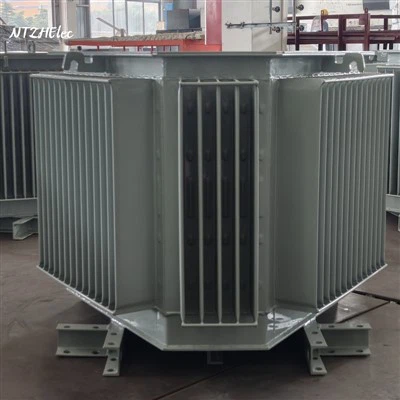
First, let’s get clear on what a pole mounted transformer oil tank is, for anyone who might not know. It’s that metal container bolted to the pole right next to the transformer itself, holding mineral oil (or less commonly, synthetic esters) that cools the unit, insulates electrical parts, and stops arcing. Unlike larger, ground-mounted transformer tanks, these are small—usually 50 to 500 gallons—and their location, 10 to 30 feet in the air, makes them trickier to secure. They’re exposed to wind, rain, extreme temperatures, and sometimes accidental contact from climbing workers or even low-hanging tree branches. I’ve seen a tank half-filled with oil slip off its mount because the brackets were cheap, and trust me, that’s not just a mess—oil on the ground near power lines can cause a dangerous arc, and a falling tank is a major hazard to anyone below. That’s why every precaution we take at our shop is rooted in the things I’ve seen go wrong on job sites.
Let’s start with the foundation of safety for these tanks: structural integrity and mounting hardware. You can have the best oil inside, but if the tank isn’t properly secured to the pole, none of that matters. Early in my career, we used generic angle iron brackets that we’d buy from the local hardware store. I’ll never forget the call we got from a utility in rural Ohio a decade ago—their line crew showed up to replace a 25kVA transformer, and the oil tank had torn free, dangling by one rusted bracket. The crew had to shut down power to three counties just to get that mess fixed, and they told us a worker had almost been hit by the swaying tank. That day, we went back to the drawing board on brackets. Now, every single one of our pole tanks uses hot-dipped galvanized steel mounting brackets, sized specifically for the tank’s weight (full oil, plus the transformer it’s paired with). We test each bracket’s load capacity twice—once in the shop, and again when we mount a mock tank to a utility pole at a local test facility. The rule we live by: never skimp on mounting hardware. It’s the first line of defense.
Next, corrosion protection. These tanks are outside, year-round, dealing with moisture, road salt (if they’re near a highway), and UV rays from the sun. A pinhole leak from corrosion is one of the most common issues we get called to fix. Last year, a client in Florida told us their tank had developed a small rust hole after three years, and the oil had leaked onto the sidewalk. The utility had to shut down a business to clean it up, and they said the OEM didn’t mention that the tank’s paint wasn’t rated for coastal humidity. At our company, we use a two-step corrosion process: first, a blast of industrial phosphate to strip any mill scale from the steel, then a three-coat epoxy paint that’s rated for both industrial and coastal environments. But we also tell our clients—you can do all the painting in the shop, but if you’re installing the tank near saltwater or areas with high humidity, add a touch-up coat after mounting. The welds are the most vulnerable spot, so we make sure every weld is fully ground smooth before painting, no sharp edges where moisture can get trapped. That’s a tip we give every new client, even if they buy a tank from someone else—don’t skip the weld touch-ups.
Then there’s ventilation. Wait, ventilation for an oil tank? That sounds counterintuitive, but let me explain. When a transformer runs, the oil heats up, expands, and needs somewhere to go—if the tank is sealed too tight, pressure builds, and you can get a seam split or even a small explosion. Too much ventilation, though, and moisture or dust gets in, which contaminates the oil and can lead to electrical faults. We design our tanks with a balance: a vented fill cap with a desiccant breather cartridge. The breather does the heavy lifting here—it lets air in and out as the oil expands and contracts, but it traps moisture and particulate matter. A few years back, we had a client who skipped the breather, just using a plain vented cap. Within a year, their oil had 3x the allowed moisture content, and the transformer failed during a summer heatwave. That cost them $12,000 in repairs and a day-long outage. Now, we include the desiccant breather as standard, and we train our clients to replace the cartridge every two years—more often if they’re in dusty or humid areas. It’s a small part, but it’s saved our clients thousands of dollars in headaches.
Fire safety is another big one, and it’s not just about putting out fires after they start. Pole mounted transformers are in areas where houses, trees, and power lines are close, so you need to prevent oil from igniting, and contain it if it does. Our tanks are built with a 1/4 inch steel wall (thicker than the 1/8 inch walls you’ll see on budget tanks) to resist puncture from tree branches or tools, and we add a flame arrestor to the vent. The arrestor stops any external flame from getting into the tank, and vice versa—if the oil gets hot enough to produce flammable vapor, the arrestor keeps it from igniting. We also tell our clients about oil containment: when installing the tank, build a small secondary barrier around the base of the pole, made of concrete or heavy plastic, to catch any leaked oil. In most states, that’s even a code requirement now. I’ve seen a tank leak 10 gallons of oil during a storm, and without a barrier, it would have run down the street and ignited a nearby barbecue. With the barrier, the cleanup took 10 minutes, and no one was at risk.
Now, let’s talk about maintenance—because safety isn’t a one-time install, it’s ongoing. We tell every client: when you mount the tank, schedule a checkup every year, twice a year if you’re in a harsh climate. What do you check? First, the brackets—make sure they’re not rusted, tight to the pole, no signs of bending. Second, the oil level—if it’s below the minimum line, that’s a sign of a leak, and low oil means the transformer can’t cool properly. Third, the breather cartridge—if it’s turned pink (that’s the desiccant absorbing moisture), it’s time to replace it. Fourth, the paint and welds—look for any new rust spots, especially around the welds. We also recommend a oil sample every three years, to test for moisture, acid, and contamination. A few months back, a client sent us an oil sample that was just a little high in acid—we told them to replace it before it damaged the transformer, and they did, avoiding a $20,000 replacement cost. That’s the kind of proactive safety we want for every client.
I know some of you are probably thinking, “This all sounds like common sense, but why do so many people cut corners?” It’s because pole mounted tanks are small, so people underestimate the risk. But let me share a story that stuck with me five years ago: a lineworker in Texas was climbing a pole to check a transformer, and his sleeve caught on a rusted bracket on the oil tank. He lost his balance, fell 20 feet, and broke his leg. That’s a preventable accident, caused by a bracket that should have been replaced. When we installed that tank for his utility, we used a heavy-duty bracket, but they’d skipped the annual check, so rust set in. That’s the kind of story that makes us double down on every safety precaution we build into our tanks, and the advice we give.
At the end of the day, the best pole mounted transformer oil tank isn’t just the one that holds oil—it’s the one that keeps your crews safe, your equipment running, and your customers without power for as short a time as possible. If you’re in the market for a new tank, or you’re looking to upgrade the ones you have, don’t just go for the cheapest option. Ask about the bracket load capacity, the corrosion protection, whether it comes with a desiccant breather, and what maintenance plans they recommend. We’ve been in this business for almost two decades, and we don’t just sell tanks—we partner with our clients to make sure they’re taking every safety step.
Transformer Radiator If you’re ready to talk about your specific needs, or you have questions about a tank you already have, don’t hesitate to reach out. We’re here to help you choose the right tank, install it safely, and keep up with maintenance so you don’t have to deal with the preventable issues we’ve seen over the years.
References
- National Electrical Safety Code (NESC) 2023, Section 12 (Pole-Mounted Equipment)
- IEEE Guide for the Application, Installation, and Maintenance of Liquid-Immersed Transformers, IEEE Std C57.12.70-2018
- Occupational Safety and Health Administration (OSHA) Standard 1910.269 (Electric Power Generation, Transmission, and Distribution)
- National Fire Protection Association (NFPA) 70, National Electrical Code, Article 450 (Transformers)
- Underground Service Alert (USA) Best Practices for Pole-Mounted Transformer Installation and Maintenance
Nantong Zhihe Electric Co., Ltd.
As one of the most professional pole mounted transformer oil tank manufacturers and suppliers in China, we’re featured by quality products and low price. Please rest assured to wholesale cheap pole mounted transformer oil tank made in China here from our factory. Customized orders are welcome.
Address: NO.202 Jianghai West Road, Hai’an Town, Hai’an City, Jiangsu Province
E-mail: colt.ntzh@gmail.com
WebSite: https://www.ntzhelectric.com/
