Hey there, if you’re deep in the animal fat rendering game—whether you’re a plant manager troubleshooting a wonky batch, a farm owner scaling up waste management, or someone just dipping your toes into how rendered fat becomes biodiesel, soap, or animal feed—you’ve probably heard the word “agitation” thrown around a lot. At our end, we talk about it with customers every single day, and let’s be real: most people don’t stop to ask what it actually does beyond “mix stuff up.” Spoiler: It’s way more than that. It’s the unsung hero that turns messy, smelly raw waste into a consistent, high-quality product. Let’s break this down like we would over a coffee in our warehouse—not some stuffy industry textbook. Animal Fat Rendering Equipment

First, let’s get on the same page about what we’re working with here. Raw animal fat for rendering isn’t some neat, uniform liquid. It’s a hot mess of partially cooked scraps, water, protein gunk (that’s the “proteinaceous phase,” for anyone who needs the jargon), bone chips, and old blood clots that got collected from slaughterhouses, meat processing plants, or even food waste streams. If you’ve ever seen raw material dumped straight into a rendering tank, you know it’s clumpy, solid in spots, and has this weird separation going on before you even turn on the heat. Agitation is the first tool we use to fix that chaos before we even get to cooking, pressing, or any other step.
Let’s start with the most obvious (but still most important) job: preventing “hot spots.” Rendering works by heating raw material to a specific temperature to kill pathogens (think E. coli, salmonella—no one wants that in their final product) and break down fat from protein and water. If your tank has zero agitation, what happens? The stuff on the bottom cooks way faster than the stuff on top. The protein at the bottom burns, turns into that nasty black sludge that’s a nightmare to clean, and the fat on top never reaches a consistent temperature. I’ve seen a customer ship a batch of rendered tusk fat that had half the tank at 280°F and half at 190°F because their old equipment had a broken agitator. They lost 15% of their product and almost got fined by the EPA for underprocessing. Agitation eliminates that—by constantly moving the material, every single particle is exposed to even heat. That’s not just a quality thing; it’s a compliance thing. No one wants OSHA or environmental regulators breathing down their neck because of a poorly heated batch.
Next up: getting that fat separation right. Once you heat the stuff, fat, water, and protein naturally want to split into layers—fat floats to the top, water and protein sink to the bottom. But if those layers are allowed to form and sit, you end up with a “crust” of solid protein that traps fat in the middle. Talk about wasted product. Agitation, when timed right (we’ll get to that in a sec), breaks up that crust while the fat is still molten, so every last drop of usable fat rises to the top where you can skim it off. A lot of people think more agitation = more separation, but that’s not true. Too much, and you’ll emulsify the water and fat together—like how you make salad dressing with oil and vinegar—so they’ll never fully separate. That’s a whole other headache: the product will have too much moisture, it’ll go rancid faster, and it won’t meet specs for biodiesel or feed. Our job as equipment suppliers is to size the agitator (blade shape, speed, power) so it’s not too gentle and not too rough—just enough to split those layers without causing a permanent mess.
Then there’s handling the “difficult” raw materials. Let’s be real—some fat feedstocks are a pain. Things like bone meal, which is chunky and hard, or waste from poultry processing that has feathers and small bone fragments. If you throw that into a tank with no agitation, it’ll settle to the bottom and pack down like concrete. I’ve had a plant tell me their old tank took 3 hours to scrape the bottom because bone dust had solidified. Agitation with the right blade design (like a pitched turbine or anchor blade that reaches the tank walls) keeps those heavy particles suspended during heating, so they break down properly when cooked. Without that, you’re leaving product on the table, and you’re spending way too much money on labor to clean the tank. One of our mid-sized customers switched to our agitated triple-cook system a year ago, and they cut their cleaning time by 40% and increased their yield by 12%—that’s real money, right there.
Wait, let’s talk about the timing of agitation because that’s where a lot of people mess up. A common mistake: turning the agitator on high and leaving it nonstop the entire render cycle. Like I said earlier, too much agitation = emulsification. Here’s the sweet spot: start low during the pre-heat phase to break up big clumps of raw material (like whole chicken parts or beef scraps) so heat can penetrate. Then, once you hit 140-160°F, turn it up a bit to promote fat separation. Then, when you’re getting close to the final cooking temp (usually 250-280°F), dial it back to low—just enough to keep layers from reforming, not enough to mix water back into the fat. It’s like baking a cake: you don’t mix the batter the entire time it’s in the oven, right? Same logic. We train all our customers on that timing because we’ve seen first-hand what happens when they skip that step.
Another underrated benefit: consistency across batches. If your agitator is calibrated right, every single batch will come out the same—same fat content, same moisture level, same lack of burned protein. That’s huge for customers who sell their product to other industries. A biodiesel producer, for example, needs rendered fat with a specific fatty acid profile to make fuel that meets ASTM standards. If one batch has 5% more water than the last, their whole blending process gets thrown off, and they might have to dump the entire load. A good agitator eliminates that variability. We had a customer who used to have 2-3 batches rejected per month by their biodiesel buyer; after retrofitting their tanks with our agitation systems, that number dropped to zero. They saved thousands of dollars in rejections and missed deadlines.
Now, let’s be honest—agitation isn’t one-size-fits-all. A small render plant that processes 5 tons of fat a week needs a way different agitator than a large facility that does 50 tons a day. Blade shape matters too. Anchor blades work well for tanks with thick, viscous material (like lard), while high-shear blades are better for breaking down protein in poultry waste. We don’t sell generic agitators; we sit down with each customer, look at their raw materials, their tank size, their desired output, and build a system that fits. That’s why we get a lot of repeat business—we don’t just sell equipment, we solve problems.
I know some of you are thinking, “Can’t I just use pumps to mix the tank?” Sure, but pumps have their limits. They’re great for moving liquid fat from one tank to another, but they don’t mix the entire volume evenly. Agitators put the movement right where it needs to be—through the entire tank, not just the inlet and outlet points. Pumps also use a lot more energy than a well-designed agitator, especially for large volumes. At the end of the day, it’s a cost vs. gain thing: a slightly more expensive agitation system will pay for itself in higher yield, less cleaning time, and lower energy bills within a year.
Let’s wrap this up without getting too jargon-heavy. Agitation in animal fat rendering equipment isn’t just a “nice to have”—it’s the core of getting a high-quality, consistent product, complying with regulations, and making a profit. It fixes hot spots, helps fat separate properly, keeps heavy particles from settling, cuts down on labor, and keeps batches consistent. The key is getting the right type of agitator, with the right blade and speed, timed correctly throughout the render cycle.
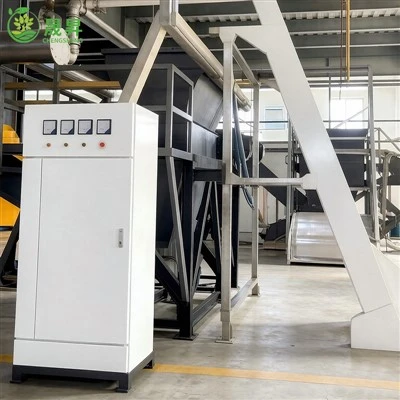
If you’re dealing with subpar batches, too much waste, or just want to upgrade your render line to save time and money, we’re here to help. We don’t do pushy sales pitches—we listen to what you’re dealing with, walk you through your options, and build a system that fits your specific operation. No generic solutions, no empty promises, just real results for animal fat rendering professionals. Reach out, let’s chat through your needs, and figure out how agitation can make your process way smoother.
Animal Carcass Incineration Equipment References
- Nolte, J. H. (2019). Animal Fat Rendering: Principles and Practice. Agricultural and Biological Engineering Department, University of Illinois.
- ASTM International. (2021). Standard Specification for Fatty Acid Methyl Esters (FAME) for Biodiesel Fuels (D6751-21).
- Environmental Protection Agency. (2020). Guidelines for Pathogen Reduction in Animal Rendering Operations. EPA Office of Water and Waste Management.
- Cleary, D. (2018). Agitation and Mixing in Food and Bioprocessing. Journal of Food Engineering, 224, 112-121.
- Rendering Industry Association. (2022). Best Practices for Fat Separation and Processing in Modern Rendering Facilities. RIA Technical Report Series.
Zhejiang Shengsheng Environmental Protection Technology Co., Ltd.
With abundant experience, we are one of the leading manufacturers and suppliers of animal fat rendering equipment in China. We warmly welcome you to wholesale animal fat rendering equipment in stock here and get quotation from our factory. All customized products are with high quality and competitive price.
Address: No.899 Huifeng South Road, Jiangnan Subdistrict, Linhai City, Taizhou City, Zhejiang Province, China
E-mail: 564958410@qq.com
WebSite: https://www.ssincinerator.com/
