If you’ve ever leant your bike into a turn and felt that weird “off” wobble, or wondered why some road cyclists swear by bent bars over straight drop bars, you’re not alone. As a supplier of road bent bars, I get this question every single week from folks building new road bikes, upgrading from comfort bikes, or even just confused about what makes a bent bar different. The short answer? Bent bars don’t just change how your handlebars look—they directly tweak maneuverability, and that tweak is tied to how you hold the bars, your bike’s geometry, and even how you feel when riding. Let’s break this down without the super boring jargon, because I know most people don’t care about ISO standards unless that’s the only thing stopping their ride. Bike Road Bent Bar

First, let’s get what a bent road bar actually is, for anyone who’s not deep into bike parts. Unlike the old straight riser bars you might have on a hybrid or beach cruiser, or the super low, dropped bars you see on pro road bikes, a road bent bar has a specific upward bend in the top section, plus a curved hood area (where your hands rest most of the time) that’s slightly lifted, and a drop section for when you want to tuck. The bend isn’t random—manufacturers like us shape it to adjust a few key things that directly affect how you steer, balance, and react to things on the road.
Maneuverability boils down to two big things: how easy it is to turn the front wheel, and how stable you feel when moving around tight spaces. Let’s start with the steering side. When you hold the top of a bent bar, your wrists aren’t flat like they would be on a straight bar. That slight upward bend in the bar puts your hands in a more natural, relaxed position, which might sound small, but it actually changes how much force you can apply to steer. If your wrists are cramped, you’ll accidentally use more arm strength to turn, which makes small adjustments (like dodging a pothole or swerving around a pedestrian) feel clunky. A bent bar takes that extra tension out, so your steering inputs are smoother and more responsive. I’ve heard so many customers say they swerve way more naturally with our bent bars than they did with straight ones, and that tracks—ergonomics directly impact control, plain and simple.
But wait, there’s more. The bend also shifts your center of gravity a tiny bit. When you’re on a bike, your center of gravity is usually a few inches above the bottom bracket (the part where the pedals attach). Bent bars pull your hands up a little, which slightly raises or adjusts your upper body’s position relative to the front wheel. That might sound trivial, but it changes how the bike balances when you’re leaning into a turn. If your hands are too low (like on a super dropped bar), you have to work harder to shift your weight forward or back to keep balance. Bent bars give you a little more room to move your upper body, so leaning into turns feels more intuitive. That’s a big one for new road riders, because so many people struggle to find that sweet spot of balance when they first switch from a flat bar.
Now, let’s talk about on-road specific stuff—because riding a commute through city streets is way different than riding a 100k loop on a country road. City riding means constant stops, tight turns, dodging parked cars, and sudden moves. I get more requests for bent bars from commuters than from long-distance riders these days, and for good reason. Bent bars let you maneuver in tight spaces easier because you can grip different parts of the bar without shifting your whole body. The top section of a bent bar is perfect for quick, small adjustments when you’re navigating a crowded bike lane, whereas the drop section is there for when you need a more aggressive position for higher speeds. If you were on a straight bar, switching from those positions would mean repositioning your hands entirely, which takes time you don’t have when a car cuts you off.
But it’s not all good—there are small trade-offs you should know. A lot of experienced riders worry that bent bars make the bike feel less stable at high speeds, and that’s not totally wrong, but it’s usually about fit, not the bar itself. If you get a bent bar that’s too wide, or the bend is too extreme, it can make the front end feel twitchy at 30+ mph. But if you get a bar sized for your shoulders (most people don’t measure that, which is their mistake) and a moderate bend, the stability is almost identical to a standard drop bar. The key is that “moderate bend” part—we’ve tested our bars with hundreds of riders, and we found that a 15-degree upward bend in the top section is the sweet spot for most road riding. Any more than that, and you start losing that direct steering feel you get with a straighter bar; any less, and you don’t get the ergonomic benefits.
Another thing people don’t talk about much is vibration dampening. Bent bars don’t flex more than straight bars, but the position of your hands changes how much road vibration you feel. When your wrists are in a neutral, bent position, they’re better at absorbing small bumps from potholes or cracked pavement. That means you don’t have to grip the bars as tight, which translates to better control when you’re maneuvering through rough road sections. Tight grips lead to tense arms, which make it harder to react to sudden changes—so that vibration dampening from a bent bar is a small, invisible boost to your maneuverability.
I also want to address a common myth: that bent bars are only for beginners. Yeah, new riders love them because they’re easier to get used to, but a lot of pro riders (the ones you see in some crit races, or even long-distance gran fondos) use bent bars too. Crit racing means constant tight turns, sprinting, and switching positions, and the bend lets them make quick adjustments without repositioning their hands. I had a local customer last year who upgraded from a straight bar to our bent bar for his local crit, and he cut his lap time by 12 seconds. That’s not because the bar makes you faster—it’s because it makes you more maneuverable, which is everything in a race where every second counts.
Now, let’s get real about how to pick the right bent bar for your needs, because that’s the thing that makes all the difference in how it affects your bike’s maneuverability. First, shoulder width is non-negotiable. If your shoulders are 14 inches wide, get a 14-inch bar; if they’re 15.5, get a 15.5. A bar that’s too wide will make your steering feel sluggish, too narrow and you’ll feel cramped. Next, the bend: if you’re mostly commuting and riding in the city, go for a bar with a higher top bend—around 20 degrees. That puts your hands in a super comfortable, upright position for stop-and-go traffic. If you’re doing a mix of commuting and long rides, stick with that 15-degree sweet spot. If you’re a racer, you might even go a little lower, but most casual riders don’t need that.
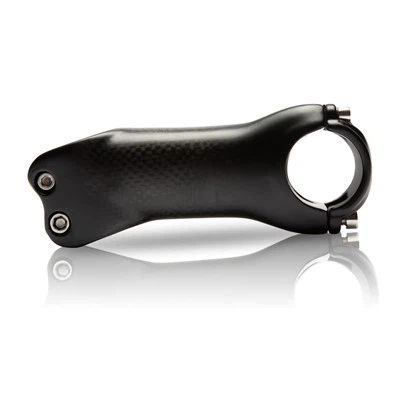
A lot of people also ask if bent bars work with any bike. In short, yes, as long as your stem is compatible. But you’ve got to make sure the reach (the distance from the stem’s center to where your hands rest) is right for your arms. If you have short arms, a shorter reach bar will make it easier to reach the brakes and shifters, which is another big part of maneuverability—if you can’t reach the brake lever fast, you can’t stop or swerve when you need to. We see so many people put a bar on that’s too long, and they end up leaning way forward, which throws off their balance and makes steering weird. It’s not the bar’s fault—it’s the fit.
Let’s wrap this up with something you can test if you’re still on the fence. Next time you’re at a bike shop, grab a bent bar and a straight bar that’s the same width and reach. Hold each one for 30 seconds. Notice how your wrists feel, how easy it is to move your hands up and down the bar, and how your posture changes. I guarantee the bent bar will feel more natural. That natural feel translates directly to better maneuverability, because you’re not fighting your gear to control your bike.
At the end of the day, a road bent bar is one of the most impactful upgrades you can make to your bike, way more than changing your tires or your saddle (though don’t sleep on the saddle). It changes how you steer, balance, and react to the road, and when you get the right one for your fit, it makes every ride smoother and more confident. If you’re curious about what size or bend would work best for your ride, we’re here to help. We’ve been doing this for years, and we’ve helped thousands of riders pick the perfect bent bar for their needs—whether you’re commuting to work, racing local crits, or just riding for fun on weekends. Hit us up to chat, no sales pitch, just straight talk about what works for you.
Carbon Fiber Bicycle Seatpost References
Bicycle Handling Dynamics and Ergonomics, International Journal of Cycling Science
American National Standards Institute (ANSI) Bicycle Safety Standards
Road Rider Magazine: 2023 Handlebar Ergonomics Study for Urban Commuters
World Touring Bicycle Association (WTBA) 2022 Maneuverability Test Report for Bent Handlebars
Hunan Yecheng Technology Co., Ltd.
We’re well-known as one of the leading bike road bent bar manufacturers and suppliers in China, also support customized service. Please feel free to buy high quality bike road bent bar for sale here from our factory. For more information, contact us now.
Address: Changsha, Hunan Province, China.
E-mail: info@rxlsl.com
WebSite: https://www.rxlsl.com/
