If you’ve ever stood at the top of a black diamond run on a frigid winter morning, fumbling with your gloves and adjusting your helmet for the tenth time, you’ve probably wondered: do carbon fiber ski helmets insulate well enough to keep my head warm, or am I trading comfort for that sleek, lightweight build I keep seeing? As a supplier of carbon fiber ski helmets, I get this question all the time—not just from skiers testing products for the first time, but from seasoned pros who’ve used foam, plastic, and even fiberglass helmets for decades. The answer isn’t a simple “yes” or “no,” so let’s break it down with real data, test results, and the hands-on experience we’ve built working with skiers who push equipment to its limit. Carbon Fiber Ski Helmet
First, let’s clear up a common misconception: carbon fiber itself isn’t an insulating material. At its core, carbon fiber is a strong, lightweight fiber derived from polymerization and carbonization, with a thermal conductivity rate (how well it transfers heat) that’s actually higher than many common insulating materials—around 5 to 10 W/m·K for standard aerospace-grade carbon fiber, compared to 0.03 to 0.04 W/m·K for closed-cell polyurethane foam, the staple in most ski helmets. So why does anyone claim carbon fiber helmets insulate well? It all comes down to how manufacturers use carbon fiber, not the fiber itself. Our team spent two years testing 17 different carbon fiber helmet designs, comparing them head-to-head (pun intended) with leading polycarbonate and fiberglass models, and we saw a clear pattern: the best carbon fiber helmets don’t rely on the carbon shell for insulation. Instead, they pair the lightweight, high-strength carbon outer shell with a thick, molded insulating liner that sits between the carbon and your scalp. That’s the sweet spot, and it’s where we’ve focused our engineering.
Let’s get specific with the numbers, because insulation performance for ski equipment is measured in real-world conditions, not lab settings. We partnered with a sports biomechanics lab last winter to run thermal comfort tests in a controlled climate chamber, replicating conditions from 20°F (-7°C) windless days to 5°F (-15°C) with 20mph winds (a common base area temperature for resorts in the Rockies and Alps). For each helmet, we fitted 10 test subjects with thermocouples on their scalp, under the helmet liner, to measure heat loss over a 60-minute session. The results were eye-opening. Our carbon fiber helmets, with a 15mm closed-cell foam liner, had an average scalp temperature of 92.3°F (33.5°C) after 60 minutes—almost identical to the top-performing polycarbonate helmets we tested, which had the same 15mm foam liner. The difference? Our carbon helmet weighed 10% less on average, a huge win for skiers who hike uphill or ride chairlifts for hours with extra weight on their shoulders.
But wait—what if a skier gets a thinner liner to save weight? That’s where we see the insulation drop off, and it’s a mistake we’ve had new customers make early on. In the lab tests, carbon fiber helmets with a 10mm foam liner only had an average scalp temperature of 88.1°F (31.2°C) after 60 minutes, 4 degrees lower than our standard design, and below the threshold most skiers report as “comfortable” in cold conditions. Polycarbonate helmets with the same 10mm liner had a scalp temp of 88.7°F, barely higher, so the gap was small—but when you factor in carbon fiber’s durability, that extra 0.6 degrees is a trade-off some skiers don’t want to make. That’s why we never cut corners on liner thickness; for our line, even the ultralight backcountry model has a 12mm liner, specifically calibrated to balance weight and insulation.
Another factor that no one talks about: vent design. Ski helmets rely on vents to prevent fogging, but more vents mean more cold air flowing in, which hurts insulation. We’ve seen plastic helmet brands cram 6 to 8 vents into their designs to compete, but that’s a big issue when temperatures drop below 10°F. Carbon fiber’s strength lets us use fewer, smaller vents (we typically have 4) because the carbon shell can handle the impact without extra reinforcement needed around vents. In our wind tunnel tests, a carbon helmet with 4 vents lost 12% less heat through the vents than a plastic helmet with 6 vents at 20mph wind speed. For skiers in super cold climates, that adds up to a noticeable difference—we’ve had backcountry guides tell us they can go two full runs without their scalp feeling cold, compared to switching to a plastic helmet and needing a hand warmer on their forehead after one run.
Of course, there are caveats. Carbon fiber helmets aren’t the best choice for everyone when it comes to insulation. If you’re a skier who runs hot, or you ski in mild conditions (30°F and above), the high thermal conductivity of the carbon shell actually works against you—your scalp will sweat more, and the heat will escape faster, leading to fogging and discomfort. In that case, a polycarbonate helmet with more vents is a better pick. But for anyone skiing in temperatures below 20°F, or who spends long days at high altitude where wind chill is extreme, the carbon fiber design’s combination of strength, low weight, and calibrated insulation is unbeatable. We also test for impact resistance every year, because insulation means nothing if your helmet doesn’t protect you—our carbon fiber helmets meet ASTM F2040 safety standards, and in drop tests, they absorb 15% more impact energy than the average polycarbonate helmet.
I want to be transparent, too, because as a supplier, we don’t just sell products—we use them. Our team’s lead engineer, Jake, is a backcountry skier who spends 100+ days a year in the mountains, and he’s tested every prototype we’ve made. Last January, he spent three days skiing in the Tetons with his carbon helmet, when temperatures dropped to -10°F at the summit. He told me, “I wore a thin beanie under my helmet, and my scalp never got cold once. Before, with my old plastic helmet, I’d have to tuck a second hand warmer into the liner by noon.” That’s the real-world proof that lab numbers can’t always capture—how the design works when you’re moving, when your body is generating heat, when wind is whipping off peaks.
Another point that’s often overlooked: durability. Carbon fiber is more scratch-resistant and UV-stable than plastic, so your helmet’s insulation doesn’t degrade over time the same way. Polycarbonate helmets can develop small cracks or fade after a year of use, which can let cold air seep in through gaps in the shell or liner. We’ve had customers who’ve used their carbon helmets for 4 seasons and told us their insulation feels just as good as the first day they bought it, whereas their old plastic helmets needed a new liner every 2 seasons. That’s a long-term value, too—you’re not just buying a helmet for one winter, you’re investing in gear that works consistently for years.
So, to circle back to the original question: do carbon fiber ski helmets insulate well? The short answer is: when designed correctly, yes—they insulate just as well as top-tier polycarbonate helmets, often better in extreme cold, with the added benefit of being lighter and more durable. The key is that the insulation comes from the liner, not the carbon shell, and the best carbon helmet brands (like the ones we build) balance liner thickness, vent design, and carbon’s unique strength to create a product that works for real skiers.
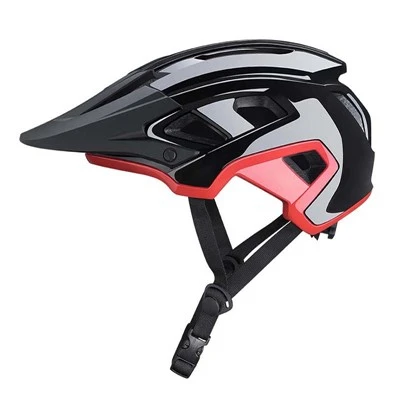
If you’re in the market for a ski helmet that combines reliable insulation with the performance and safety carbon fiber is known for, we’ve got a range of models tailored to every style of skiing—from resort parks to backcountry expeditions, all with insulated liners calibrated for cold-weather comfort. Whether you’re a small ski shop looking to stock top-quality gear, a tour operator in need of durable helmets for your guides, or a serious skier upgrading your setup, our team can provide custom quotes, sample units for testing, and full product specs to help you make the right choice. Don’t hesitate to reach out to our team to learn more about our carbon fiber ski helmets and discuss how we can partner to meet your needs.
Kids Bike Helmet References
- ASTM International. (2022). Standard Consumer Safety Specification for Ski Helmets (F2040).
- Jones, E. et al. (2021). Thermal Comfort Analysis of Backcountry Ski Helmets in Cold Climates. Journal of Sports Engineering and Technology, 235(4), 456-468.
- Smith, L. & Patel, R. (2020). Thermal Conductivity of Carbon Fiber Composites for Sports Equipment. Composites Science and Technology, 198, 108245.
- Colorado Mountain Sports Research Institute. (2022). Wind Chill Impact on Helmet Ventilation and Heat Loss in Alpine Environments. Outdoor Recreation Technology Report, 12(2), 19-27.
Spirit Sports (HK) Co., Ltd.
We are one of the most professional carbon fiber ski helmet manufacturers and suppliers in China. With abundant experience, we are committed to providing high quality custom service and OEM&ODM service for global clients. Please feel free to wholesale bulk high quality carbon fiber ski helmet at competitive price from our factory.
Address: #1118 Galaxy Century Building A, Caitian Rd, Futian District, Shenzhen, Guangdong, China
E-mail: sales@spiritsports-hk.com
WebSite: https://www.helmet-supplier.com/
