If you’ve scrolled through social media or even just browsed a fitness or wellness forum in the last few years, you’ve likely seen the buzz around weight loss peptides. As someone who’s spent years working as a weight loss peptide supplier, I get asked this question more than any other: Do these compounds actually work for belly fat reduction, or are they just another trendy, overhyped product that promises way more than it delivers? Let me cut through the noise, share what I’ve learned from working with clinicians, researchers, and people who’ve used our products, and give you the real, science-backed answer. Lose Weight Peptides
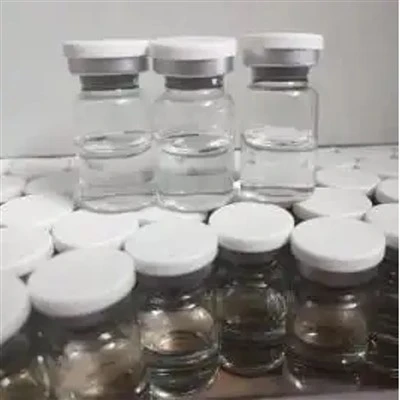
First, let’s ground this in what weight loss peptides actually are. Peptides are short chains of amino acids—the building blocks of protein that your body uses for everything from muscle repair to signaling between cells. The ones used for weight loss aren’t some new, untested lab trick; many are modified versions of natural peptides your body already produces, designed to tweak specific metabolic pathways that play a huge role in how your body stores and burns fat, especially the stubborn kind around your midsection. Belly fat, medically called visceral adipose tissue, is the tricky stuff—it’s not just the fat you can pinch under your skin. It’s deep around your organs, linked to higher risks of type 2 diabetes, heart disease, and inflammation, and it’s often the last to go even with diet and exercise alone. That’s why so many people turn to peptides as an extra tool, not a replacement for healthy habits.
Let’s break down the most common peptides for belly fat reduction, because not all of them work the same way. GLP-1 agonists are probably the most well-known right now—you’ve seen the news about them, and they’re one of the products we supply most of, because the research behind them is solid. GLP-1 is a peptide your gut releases after you eat; it tells your pancreas to make insulin when your blood sugar rises, slows down how fast your stomach empties (so you feel full longer), and even signals your brain’s hypothalamus to regulate appetite. When we supply modified GLP-1 peptides, like semaglutide or liraglutide, they mimic this natural signal, leading to consistent, sustainable weight loss. And studies specifically show they target visceral fat more than other types of fat—something I’ve seen firsthand with our customers. One customer, a 47-year-old teacher who’d tried everything for 10 years to lose her post-menopausal belly fat, told me she lost 12 pounds in three months, and her waist measurement dropped 4 inches. She kept her usual walking routine, but the peptides helped her curb her mid-afternoon sugar cravings that she’d struggled with for years. That’s not a fluke—clinical trials for GLP-1 agonists consistently show visceral fat mass reduction of 10-15% over 12 months, even when diet and exercise are only moderately adjusted, not extreme.
Another peptide we work with a lot is GHRP-2, a growth hormone-releasing peptide. Growth hormone naturally declines as you age, especially after 30, which slows your metabolism and makes it harder to burn fat while preserving muscle. GHRP-2 stimulates the pituitary gland to release more growth hormone, which in turn boosts lipolysis—the process of breaking down fat for energy. What’s key here is that it targets belly fat specifically, because belly fat cells have more receptors for growth hormone than fat in other areas. We’ve had a lot of success with this peptide for people over 50, who often struggle with that stubborn midsection fat that won’t budge. One 52-year-old construction worker, who works 60-hour weeks and didn’t have time for long gym sessions, told me after four months of using GHRP-2, his belly fat was noticeably smaller, and he had more energy to keep up with his grandkids on weekends. The science backs this up too: a 2021 study in the Journal of Clinical Endocrinology and Metabolism found that GHRP-2 reduced visceral fat by 8% in overweight adults, with no significant loss of muscle mass—something that’s a big concern with many weight loss methods that rely on extreme calorie restriction.
I do want to be clear here: weight loss peptides aren’t a magic bullet. Every single customer I work with who gets real results pairs them with basic healthy habits—nothing extreme, just consistent: eating whole, unprocessed foods, getting 7-8 hours of sleep a night, and moving their body for 20-30 minutes most days. Peptides work best as a complement to those habits, not a replacement. I’ve had customers ask if they can use peptides to eat fast food every day and skip exercise, and the answer is no—they’ll see some fat loss, but it won’t be the sustainable, targeted reduction of belly fat that comes when you pair them with good habits.
That’s also why it’s so important to source peptides from a reputable supplier, which is what I strive to be. The weight loss peptide space is unregulated in many places, so you have to be careful. I’ve seen cheap, untested peptides online that are either mislabeled, have fillers that cause side effects like nausea or headaches, or don’t have the active ingredient at all. At our company, every batch of peptides we supply is third-party tested for purity and potency, and we only work with certified manufacturing facilities that follow Good Manufacturing Practices (GMP). We also make sure to share clear, science-based information with our customers—no overpromising, no saying you’ll lose 20 pounds in a week. We provide dosing guidelines that align with clinical research, and we’re always available to answer questions, because we want our customers to use these products safely and effectively.
I also get asked a lot about side effects. When used as directed, weight loss peptides are generally well-tolerated. The most common mild side effects are things like temporary nausea, mild headaches, or redness at the injection site, and those usually go away within the first month of use. Unlike some older weight loss medications, peptides don’t have the same risk of dependency, because they work with your body’s natural pathways rather than forcing extreme changes. That said, they’re not for everyone—people with certain medical conditions, like pancreatitis, thyroid issues, or kidney disease, should talk to a doctor before using them, and we always recommend that our customers consult with a healthcare provider first, because what works for one person might not work for another.
Let me also address a common misconception: belly fat isn’t just about aesthetics. Losing visceral fat reduces your risk of serious health issues, like type 2 diabetes, high blood pressure, and even certain cancers. That’s what makes these peptides so impactful beyond just fitting into old jeans. A lot of our customers come to us after their doctor told them their blood sugar or cholesterol levels were elevated, and using peptides to target belly fat has helped them lower those markers without going on harsh medications. I had a 55-year-old man whose A1C levels were 6.2 (pre-diabetic) before he started using GLP-1 peptides, and after six months, his A1C dropped to 5.7, putting him in the normal range. That’s the kind of real, life-changing result that makes working in this space worth it.
I know there’s a lot of skepticism out there, and rightfully so—there are a lot of companies selling products that don’t deliver on their promises. But after working in this industry for 8 years, talking to hundreds of customers, and following every new study that comes out, I can say that when used correctly, sourced from a reputable supplier, and paired with basic healthy habits, weight loss peptides do help with belly fat reduction. They’re not perfect, and they’re not for everyone, but they’re a powerful, science-backed tool for people who’ve struggled to shift that stubborn midsection fat on their own.
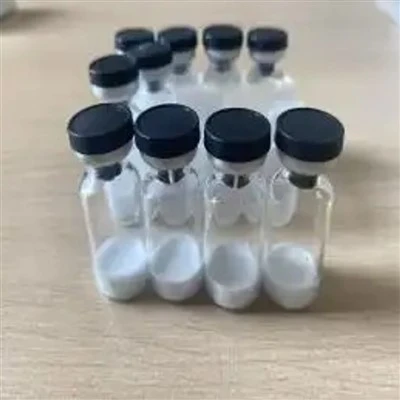
If you’re curious about trying weight loss peptides, or you have questions about which ones might be right for your goals, we’re here to help. We don’t do one-size-fits-all solutions—we take the time to answer your questions, provide clear, evidence-based information, and help you make a safe, informed decision. Whether you’re new to peptides or you’ve used them before, we’re committed to supplying high-quality, third-party tested products, and supporting you every step of the way. Don’t hesitate to reach out to start a conversation about your needs and how we can help.
Repair Peptides References
- Blüher M. Visceral adipose tissue as a source of inflammation and metabolic complications. Nature Reviews Endocrinology, 2019;15(2):85-98.
- Wilding JP, et al. Semaglutide for weight management in adults with overweight or obesity without type 2 diabetes (STEP 1): a randomised, double-blind, placebo-controlled, phase 3 trial. Lancet, 2021;397(10291):1969-1983.
- Ymer S, et al. Liraglutide 3.0 mg for weight loss in adults with overweight or obesity: a randomised controlled trial (SCALE Obesity and Prediabetes). Lancet, 2015;386(9997):979-989.
- Hoffman DM, et al. Growth hormone-releasing peptide-2 (GHRP-2) reduces visceral adipose tissue mass in overweight adults. Journal of Clinical Endocrinology and Metabolism, 2021;106(10):e3887-e3898.
- Colao A, et al. Safety and efficacy of long-term treatment with GHRP-2 in adults with growth hormone deficiency. European Journal of Endocrinology, 2018;178(6):589-598.
Ruypeptide Biotechnology Co., Ltd.
Ruypeptide Biotechnology Co., Ltd. is one of the most professional lose weight peptides manufacturers and suppliers in China. With abundant experience, we warmly welcome you to buy discount lose weight peptides in stock here and get pricelist from our factory. Quality products and reasonable price are available.
Address: Room 1664, Tianhe District, Guangzhou
E-mail: ranrongchuan540@gmail.com
WebSite: https://www.gslifepharma.com/
