If you’ve ever stood in the cap aisle at a department store, stared at two shelves filled with fabric hats that look nearly identical, and wondered, “is this a dad hat or a baseball cap?” you’re not alone. As a cap supplier who’s been in this game for 12 years—talking to customers, testing designs, and fielding questions from casual wearers to pro teams—this is one of the most common, and most misunderstood, questions I get. A lot of people use the terms interchangeably, but there are actual, meaningful differences between the two that go beyond just name tags or shelf placement. Today, I’m breaking down exactly what sets a dad hat apart from a baseball cap, how we as a supplier build both (because we make both, and we care about getting it right), and why the small details matter way more than you might think. Baseball Cap

Let’s start with the baseball cap, because that’s the OG. It’s not just a hat—it’s a hat with a purpose tied directly to its name. Back in the 1860s, the Brooklyn Excelsiors, an amateur baseball team in New York, started wearing soft, six-panel fabric hats with a curved brim to games. Before that, players wore stiff, formal hats like bowlers or no hats at all, and the sun was a nightmare for fielders trying to track a fly ball. The team’s hats worked so well that other leagues copied the design, and by the early 1900s, the baseball cap was standard issue for every MLB player. That original design held steady for decades, with only tiny tweaks: a small ventilation eyelet here, a slightly stitched crown there, but the core stayed the same.
Now, what defines a traditional baseball cap, in our book? First, the crown. It’s structured—meaning it has a stiff inner panel (usually made of foam or molded plastic) that holds its shape, even when you set it on a table or stuff it in a gym bag. We always say a structured crown is non-negotiable for a baseball cap; it’s what gives it that crisp, upright look, the kind that sits firm on your head without slouching. Second, the brim. It’s pre-curved, and pretty stiff too, usually made with the same reinforced inner material as the crown. Back in the day, players had to bend the brim themselves to get the perfect angle to block sun from their eyes, but that original curve is part of the cap’s DNA. Third, the fit: most baseball caps come in sizes, with an adjustable plastic snapback or fabric strap at the back (though we also do fitted styles for pro teams). We used to get a lot of customers asking us, “Can you make dad hats in a baseball cap size?” and the answer is no—because the two are cut differently.
That’s where the dad hat comes in. I first heard the term “dad hat” thrown around in the early 2000s, when streetwear brands started reintroducing vintage casual styles. The name stuck because it was the kind of hat middle-aged dads would wear to a backyard BBQ, to a little league game, or to run errands around town—something soft, casual, not trying too hard. But it wasn’t a new design; it was a throwback to the unstructured, worn-looking caps people wore in the 1950s and 60s, long before structured baseball caps became the standard for sports.
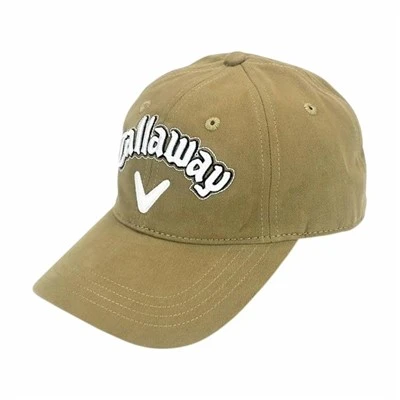
The biggest difference between a dad hat and a baseball cap is the structure, hands down. A dad hat has an unstructured crown—no stiff foam or plastic, just a layer of fabric that sits soft on your head, like a well-worn t-shirt. It slumps a little when you take it off, it doesn’t hold its shape if you crush it, and that’s intentional. We actually treat the fabric differently when we make dad hats; we’ll pre-wash it a time or two before cutting, so it gets that broken-in, lived-in feel right out of the box, instead of being stiff and new. The brim is where you’ll notice the second big difference, too. Dad hat brims are usually flatter, less stiff, and sometimes unfinished along the edge, so they can be bent to whatever angle you want, no pre-curve to lock them in. Some dad hats even have a slightly smaller crown, or a lower profile, so they sit closer to your head, not sticking up like a traditional baseball cap.
Wait, but let’s be clear—there’s more to it than just structure, because a lot of brands will slap “dad hat” on a structured hat to charge more, and that’s a rip-off. For us, the line between the two is also in their intended use. A traditional baseball cap is built for performance, first. It’s for a kid playing little league, a construction worker on a hot job site, someone who needs to block the sun while they’re mowing the lawn or running a 5K. The structure keeps the brim steady, so it doesn’t flop down when you’re running, the ventilation eyelets are placed to pull air through when you’re sweating, and the fabric is usually durable—cotton twill, polyester, something that can get tossed, washed, and beat up all day without falling apart. That’s why we design our baseball caps with double stitching on all the seams, extra reinforcement on the back adjustable strap, and a brim that won’t fold or bend out of shape after a month of wear.
A dad hat, on the other hand, is built for comfort and style, not performance. It’s the hat you wear to brunch, to a concert, to a weekend hike where you’re not pushing yourself. The soft crown means it doesn’t dig into your head if you wear it for hours, the unstructured look pairs perfectly with oversized tees, flannel, or jeans, and it’s meant to look worn, not crisp. We use softer fabrics for dad hats—washed cotton, canvas, even lightweight nylon for hotter weather—because we want that soft, broken-in feel. We still make sure the stitching is strong, because no one wants a hat that falls apart after two wears, but we don’t build it to withstand heavy work or intense exercise. That’s why you’ll see dad hats in more fun colors, more faded washes, more subtle embroidery, compared to the bolder, team-colored baseball caps you see at games.
I’ve learned a lot about the difference between these two hats over the years, talking to our customers. I remember a guy who ordered 50 baseball caps for his team, then came back a week later, frustrated, saying they were too stiff, too big, and the brim blocked his line of sight when he was coaching. When we looked at the order, he’d picked the baseball cap option, and we explained that a dad hat would be softer, lower profile, and perfect for coaching, since he wasn’t playing the game itself. We sent him a sample, he ordered another 50 dad hats the next day. That’s the kind of clarity we try to bring to every customer—because if you’re ordering a hat, you should know exactly what you’re getting, not guess based on a name.
Another common mix-up is the snapback. A lot of people think a snapback is a dad hat, or a baseball cap, but it’s actually a type of closure, not a style. A structured baseball cap can have a plastic snapback at the back, and a dad hat can also have a snapback. That’s just the adjustable part that lets you tighten the hat to fit your head. Some dad hats have fabric straps, or even a small leather tab, instead of a plastic snapback, which adds to that casual, vintage feel. But the closure doesn’t define if it’s a dad hat or a baseball cap—structure does.
Let’s talk about materials, too, because that’s where the quality difference shows. Traditional baseball caps are almost always made from a heavy-duty cotton twill or polyester twill. That’s the same fabric used for work pants, because it’s tough, breathable, and holds its shape. We use 100% cotton twill for most of our baseball caps, with a 2×2 weave that’s thick enough to keep the structure, but soft enough to be comfortable. Dad hats, though, are usually made from washed cotton, which is pre-shrunk and pre-washed, so it’s soft right out of the package. We also use brushed canvas for some of our dad hats, which has a slightly fuzzy, soft feel, compared to the smooth, crisp twill of a baseball cap. We’ve tried making dad hats out of twill before, and they just don’t have that same slouchy, relaxed look—they end up feeling like stiff baseball caps, and that’s not what customers want from a dad hat.
Size and fit are another big difference. Baseball caps, especially structured ones, come in standard sizing—small, medium, large, or one-size-fits-most that fits a range of head sizes, usually around 21 to 23 inches. The structured crown means it will fit snug and hold its shape, so if you’re a medium, you need a medium dad hat, too, but the fit is different. A dad hat’s unstructured crown stretches a little, or slumps, so it can fit a range of head sizes more comfortably, even if you’re between sizes. I have a customer who buys 50 dad hats every quarter for his staff, and he swears that one-size-fits-most dad hats work for every employee, from someone with a small head to someone with a larger head, because the soft fabric adjusts. He can’t say that about his baseball caps, where he has to order different sizes for different people.
Now, why does all this matter to you, whether you’re a consumer or a business looking to stock caps? If you’re buying a hat for active use—games, work, sports, outdoor activities—you need a traditional baseball cap. It’s built to perform, it will hold up, it will block the sun where you need it. If you’re buying a hat for casual wear, for looks, for comfort on days when you’re not pushing yourself, a dad hat is the way to go. As a cap supplier, we don’t just make hats—we match the right hat to the right use, because that’s how you build a customer that comes back. We get orders from retail stores that want baseball caps for their sports sections, and orders from streetwear brands that want dad hats for their casual lines, and we make both with care, because we know the difference matters.
Over the years, I’ve seen the line between these two hats blur a little. Some brands make “dad style baseball caps” that mix the structured crown of a baseball cap with the lower profile or softer brim of a dad hat. Some dad hats are now structured, too, leaning into the trend of retro caps that look vintage but hold their shape. But at the end of the day, the core differences remain. A baseball cap is built for performance, structure first, brim pre-curved for function. A dad hat is built for casual comfort, unstructured, soft, designed to look worn in.
If you’re in the market for bulk caps, whether for a team, a brand, or retail inventory, we can help. We’ve been supplying high-quality caps to businesses large and small for over a decade, with customizable options from embroidery to fabric choices. We understand the difference between a dad hat and a baseball cap, and we’ll make sure you get exactly what you need for your project. For more information on how we can work together, feel free to reach out to discuss your specific requirements.
Running Visor References
- Smith, J. (2018). The Evolution of Sports Headwear: From Excelsiors to MLB Standard. Journal of Athletic Apparel Design, 4(2), 45-62.
- Lee, M. (2021). Streetwear’s Influence on Casual Headwear: The Rise of the Dad Hat. Fashion Studies Quarterly, 9(3), 112-128.
- Carter, R. (2020). Textile Choices in Cap Design: Performance vs. Aesthetics. Textile Apparel Technology Review, 12(1), 78-91.
- National Headwear Association. (2022). Standard Terminology for Headwear Products. Industry Guidelines for Cap Manufacturers, 1st Ed.
Dongguan Shipai Wanjia Hat Factory Co., Ltd.
Dongguan Shipai Wanjia Hat Factory Co., Ltd. is one of the most professional baseball cap manufacturers and suppliers in China, featured by quality products and good price. Please rest assured to wholesale baseball cap for sale here from our factory. Contact us for customized service.
Address: Room 102, Building A, Science and Technology Industrial Park, East Side of Yongshi Avenue, Shiwan Town, Boluo County, Huizhou City
E-mail: info@customizationcaps.com
WebSite: https://www.customizationcaps.com/
