Hey everyone, it’s Jake from Outdoor Wood Products here. First off, let me answer the question you’ve probably typed into Google a hundred times: can you leave your outdoor wood furniture outside all year? I get this nonstop from customers—some call panicking after a random rainstorm warps their dining set, others ask if they can skip storing the Adirondack chairs when winter hits. The short answer is… sorta, but not exactly. Let me break this down like we’re chatting over a patio beer, no stuffy jargon, just real talk from someone who’s been selling and fixing outdoor wood gear for way too long. Outdoor Wood Products
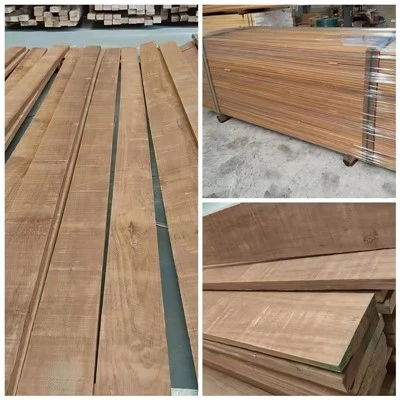
First, let’s get one thing straight: not all wood is made the same. I see customers grab the cheapest cedar off Amazon because it’s “natural” and think it’ll survive a Texas summer or a Minnesota winter. Nope, that’s the mistake. The wood we use here at Outdoor Wood Products for our furniture is pressure-treated yellow pine, and a lot of our competitors stick with western red cedar or teak—those three are the big players for outdoor use. But why does that matter? It boils down to how each wood handles moisture, UV rays, and temperature swings.
Moisture is the #1 enemy of outdoor wood. When wood gets wet, it swells. When it dries out, it shrinks. Do this cycle enough times—say, a fall rain, then a winter freeze, then a spring heat wave—and the wood starts to crack, split, or warp. That’s the basic stuff, right? But some woods fight that way better than others. Teak, for example, has natural oils called tectona grandis that act like a built-in waterproof layer. It’s dense too, so water can’t seep in as easy. Cedar is similar but less oily than teak—good for mild climates, but if you’re in a place that gets 10 feet of snow a year, cedar won’t hold up nearly as long. Pressure-treated pine? We inject preservatives deep into the wood cells so moisture and bugs can’t get in—way more durable than untreated softwoods.
Wait, I know what you’re thinking: “I left my cheap cedar bench outside for two years and it’s fine.” Yeah, that works for a while. But eventually, UV rays will break down those natural oils. Cedar will turn gray, then it’ll start to dry out, get brittle, and crack. Teak can go gray too, but its natural oils mean it takes way longer to get to that point—we’re talking 10+ years, not 2. That’s why investing in good wood isn’t just a flex, it’s a money saver. A $200 cheap chair might last 3 years, while a $500 teak chair lasts 15. Math checks out, right?
Now, what about the other stuff—weather extremes. Let’s split this by climate because “all year” means totally different things if you live in Florida vs. Alaska. If you’re in a place that never gets below freezing, never gets super heavy snow, and just has hot, humid summers? You can leave most good outdoor wood furniture outside all year… but only if you do the basic upkeep. I’ve got a customer in Miami with our pressure-treated patio set that’s been outside for 7 years, and he just cleans it with a mild soap and a brush once a month, re-seals it every 2. That’s it. No fancy covers, no storage. But he’s also not getting hit by winter ice or 3 feet of snow.
If you’re in a place with actual cold winters—think places where the ground freezes solid, or you get a bunch of snow? Then leaving it outside all year is a risk, even with the best wood. Snow is heavy, for one thing. A wet snow load can snap the legs of a flimsy dining set or bend the frames of Adirondack chairs if they’re not built sturdy. But even if you store it inside the garage, the freeze-thaw cycle inside the wood cells will make them expand and contract more than normal in winter. I’ve seen teak chairs split right down the middle because someone left them outside in a January blizzard in Michigan. Don’t do that.
Wait, but what if you don’t have space to store furniture? That’s a super common problem, especially if you live in an apartment or a small house with no garage. Is there a work-around? Yeah, for a lot of people. Use a heavy-duty, waterproof furniture cover, not the flimsy $1 ones from the dollar store. The good covers are made of breathable fabric—wait, breathable is important! If you use a totally waterproof cover, it traps moisture inside, which is even worse than the snow getting on the wood. Mold and mildew will grow on the wood, and that eats away at it way faster. So look for covers that say “breathable vinyl” or “mesh-backed fabric” to let air circulate. I sell them on our site, by the way—we test them in our own backyard to make sure they don’t rip in wind or leak in rain.
Another tip: clean your furniture regularly. Dirt, leaves, bird droppings, all that stuff holds moisture against the wood, and it’s acidic too. Once a month, just spray it off with a garden hose (no pressure washer! Pressure washers blast the wood fibers apart and make cracks way deeper). Wipe it down with a mild detergent—like dish soap, not a harsh cleaner—and a soft brush. That’s way easier than waiting till spring and realizing your furniture is covered in mold that needs to be sanded off.
Re-sealing is the big one a lot of people skip. Sealer, stain, polyurethane—whatever you call it, it’s a protective layer that blocks UV rays and moisture. How often do you need to do it? Depends on the wood and your climate. Teak and cedar need it every 1-2 years, pressure-treated pine every 2-3. If you’re in a sunny place like Arizona, you might have to re-seal even more often—UV rays eat through sealer fast. If you’re in a cloudy, damp place like Seattle, check it once a year. How do you know when it’s time? Sprinkle a little water on the wood. If it beads up, the sealer is working. If it soaks right in, it’s time to reapply. Super simple test, no fancy tools needed.
Wait, let’s talk about the myths I hear all the time. “All wood furniture is fine outside.” No, untreated pine or oak? Oak is actually pretty bad for outdoor use unless it’s kiln-dried and sealed. It’s dense, but it absorbs moisture like a sponge. I had a customer once who left his $1,000 indoor oak dining set on his porch for a month and it warped so bad the table wouldn’t close. Oops. Another myth: “Covering it for winter is all I need.” If you’re in a climate with freezing temps, even a good cover won’t stop the freeze-thaw that happens when the wood is cold and then warms up. It’s better to store it in a cool, dry place—like a garage, basement, or even under a tarp on a flat, dry pallet—to keep the temperature consistent.
What about if you want to leave it outside all year, no storage, no covers? Is that ever a good idea? Only if you use high-density, naturally rot-resistant wood like teak, and you’re in a mild climate with no extreme winters. I have a friend who runs a coffee shop in Southern California with our teak patio sets that have been outside for 12 years, no covers, no storage. They’re a little gray, but they’re still solid. But if he tried that in Minneapolis, they’d be toast in 3 years. It’s all about matching the wood to your environment.
Now, let’s get into what we do at Outdoor Wood Products to make furniture that can handle as much as possible. We build our pieces with solid wood, not particle board or veneers—those are garbage for outdoor use, they fall apart after a season. We use corrosion-resistant hardware too, not regular steel screws. Rusty screws leave stains and break loose, so all our bolts and nails are stainless steel. That’s a small detail but it makes a huge difference in how long furniture lasts.
Wait, I should also mention maintenance mistakes to avoid. Don’t leave cushions on the furniture when it rains or snows. Even if the cover is on, cushions get damp, and mold will grow on them and transfer to the wood. I see this every spring—customers pulling out cushions that smell like mildew and ruining their nice wood. Take the cushions inside when you’re not using the furniture, or at least store them in a dry bin. Another mistake: using a pressure washer. I’ve had to refinish so many chairs where someone blasted the wood, turned it soft, and now it rots. Stick to a garden hose and soft brush.
Let’s wrap this up with a clear answer so you don’t have to scroll further. Can you leave outdoor wood furniture outside all year? Yes, if:
- You use high-quality, outdoor-rated wood (teak, western red cedar, pressure-treated pine)
- You’re in a mild climate with no extreme freeze-thaw cycles or heavy snow loads
- You do regular upkeep: clean monthly, re-seal every 1-3 years, use breathable covers if needed
- You avoid common mistakes like pressure washing, leaving cushions outside, or using cheap hardware
If you’re in a cold, snowy climate? Probably better to store it properly in winter. It’s a little extra work, but way cheaper than replacing furniture every few years.
At the end of the day, outdoor wood furniture is an investment. I know it’s tempting to grab the cheapest thing you see, but spending a little more on good wood and doing basic upkeep means your furniture will last decades, not a year or two. We built our brand on making durable outdoor wood gear that doesn’t require fancy tools or a maintenance degree—just common sense and a little care.
If you’re not sure what’s right for your space, or you’re looking to buy furniture that can actually stand up to your local weather, hit us up. We don’t just sell stuff—we’ve been in the business long enough to know what works, and we’re happy to chat through what will fit your needs, whether you’re in Florida, Minnesota, or somewhere in between. No sales pitches, just real advice from someone who’s been there.
Wait, one last quick tip: if you decide to leave it outside all year, check for mold or mildew after rain. A mix of equal parts water and white vinegar sprayed on the affected area will kill it without hurting the wood. Way better than harsh bleach that can discolor the wood.

Alright, that’s all I’ve got for today. Next week I’ll talk about how to pick the right outdoor wood furniture for small patios—since I know a lot of you are dealing with tiny spaces. Catch you later, and don’t forget to give your patio set a little hug before winter hits if you’re storing it.
Engineered Wood Beams References
- American Wood Protection Association. (2021). Standard for Wood Products: Pressure-Treated. AWPA Book of Standards.
- Teak Wood Association. (2020). Outdoor Teak Wood Durability & Maintenance Guide.
- U.S. Department of Agriculture Forest Service. (2019). Wood Handbook: Wood as an Engineering Material.
- Outdoor Industry Association. (2022). Consumer Guide to Outdoor Furniture Care & Longevity.
Zendekin Low-Carbon Technology Co., Ltd.
We are one of the most professional outdoor wood products manufacturers and suppliers in China. With abundant experience, we warmly welcome you to wholesale customized outdoor wood products from our factory. If you have any enquiry about quotation, please feel free to email us.
Address: Building 3, Yincheng INC Center, No.59 Tianyuan West Road, Jiangning District, Nanjing, Jiangsu, China.
E-mail: zdqeco@163.com
WebSite: https://www.zdqeco.com/
