As an outdoor LED module supplier, I’ve seen first-hand how corrosion can turn a great product into a dud—fast. Imagine you’ve installed custom LED modules for a storefront, a highway sign, or a building facade, and six months later, those little metal pins holding the diodes start rusting. The lights dim, connections fail, and suddenly your client’s investment is toast. Corrosion isn’t just a small headache; it’s one of the top reasons outdoor LED projects underperform, and it’s something we (and you) can actually prevent if you know what to look for. Outdoor LED Module
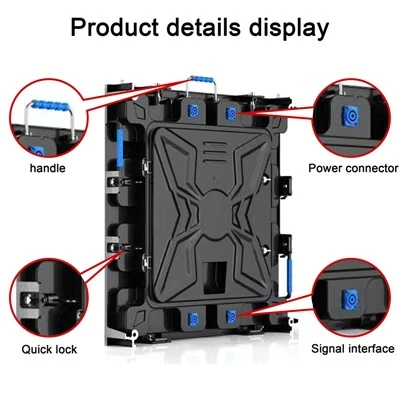
Let’s break this down like I would when talking to a new client who just got hit with a corrosion issue. First, let’s get real: outdoor LED modules live in a tough environment. Rain, humidity, salt (from ocean air or winter road de-icers), even industrial fumes—all these things eat away at the metal parts inside your modules, usually the lead frames, solder joints, and housing pins. The worst part? A lot of people don’t notice corrosion until it’s already caused a connection failure. By then, you’re looking at expensive repairs or replacements, which no one wants.
So how do we stop this? It’s not just slapping a coat of paint on the module and calling it a day. Over 10 years of supplying outdoor LED modules, I’ve learned that corrosion prevention is layered—from how we build the modules in our factory to how you install and maintain them on your end. Let’s start with the factory side, because that’s where the foundation is set.
First up: material selection. I can’t stress this enough, and it’s why we don’t cut corners here. If you’re using a standard steel lead frame, that’s a ticking time bomb for salt or moisture. We swap in materials that are inherently corrosion-resistant: things like copper with a nickel or tin plating, or even aluminum for housings, which forms a natural oxide layer to fend off rust better than regular steel. Wait, not all platings are equal, either. A lot of cheaper module suppliers use thin tin plating that flakes off after a year, exposing the base metal. We use a thicker, electroless nickel immersion gold (ENIG) finish for critical connections—it’s more expensive, but it’s like armor for those tiny solder joints. For coastal projects, we go a step further with a hot tin-lead plating or even a pure gold flash on pins; that extra layer keeps saltwater from seeping in.
Then there’s the seal. The module’s housing is your first line of defense, right? If the seal is bad, moisture gets in, even if the metal is good. We use two-part epoxy or silicone gaskets when assembling modules, but not just any silicone—we pick ones that are UV-stabilized. Regular silicone breaks down from sun exposure in 2-3 years, leaving gaps for water. Our UV-stabilized gaskets last 10+ years, even in direct sunlight. Also, when designing the module, we make sure there are no sharp corners where water can pool. Pooled water is basically a corrosion factory—stagnant, full of minerals, sitting right on a metal pin. We add slight slopes to the housing so water runs off immediately, no standing around to cause damage.
Now, what about if you’re the end user installing these modules? You can’t control everything the factory does, but you can make choices that reduce corrosion risk. First, installation environment assessment. Not all outdoor spaces are the same. A module for a mall in Arizona (low humidity, no salt) has different needs than one for a hotel in Miami (salt air) or a highway in Minnesota (road salt). We always ask clients about their location upfront, because that lets us tweak the module spec—extra plating, better seal, whatever. But even if you’re retrofitting, don’t skip this step. Test the air quality around your installation: if you’re near a factory, there might be acidic fumes that eat away at coatings; if you’re on a coast, salt is the big villain. Adjust your module choice accordingly—coastal-grade modules are worth the extra cost, trust me.
Installation practices matter a lot too. I’ve seen clients drill too many holes in a module’s housing, breaking the seal, or leave gaps between modules where water can get in and get trapped. When mounting, use the right fasteners—again, corrosion-resistant! Stainless steel bolts, not regular iron ones. If you use iron, that’s like adding a rust magnet right next to your LED module. Also, don’t over-tighten fasteners—we’ve seen people crack the housing, letting water seep through cracks. A snug fit is all you need, not arm strength.
Then there’s maintenance, which is the part most people ignore until it’s too late. Outdoor LED modules don’t need weekly scrubbing, but a quick check a couple times a year can save you big. What to look for: any white powdery substance (that’s corrosion) on the pins or housing, or any dimming lights that might be a connection issue. If you spot early corrosion, a quick wipe with a mild vinegar solution (to neutralize mineral deposits) and a reapplication of a clear, UV-resistant sealant can stop it in its tracks. For modules in salt-heavy areas, a quarterly rinse with fresh water is simple—just spray them down like you would your car. That washes away salt before it has time to eat at the plating.
Wait, let’s talk about a common mistake: many people think waterproof modules are completely corrosion-proof. Not so fast. Waterproof means they resist liquid water, but humidity vapor can still seep in over time if the seal isn’t right. That’s why we do a salt spray test on every batch of our outdoor modules—we blast them with salt water for 1000+ hours and check for rust. If a module passes that test, we know it’s going to hold up in real coastal conditions. A lot of suppliers skip that test, or do it for only 500 hours, which is not enough.
Also, newer tech we’re using now: conformal coating. It’s a thin, clear polymer we can spray over the entire circuit board of the module, adding another layer of protection against moisture and contaminants. It’s invisible, doesn’t affect light output, and is perfect for hard-to-reach areas inside the module. We recommend conformal coating for projects in high-humidity or industrial areas, and it’s a cheap add-on compared to replacing corroded modules later.
Let me share a quick example to make this real. Last year, a client came to us with a problem: they had installed a competitor’s LED modules on a pier in Florida, and within 18 months, half the modules had corroded connections. The supplier blamed the salt air, but when we took a look, we saw they had used thin tin plating and a basic silicone seal that had broken down. We supplied our coastal-grade modules—thicker ENIG plating, UV-stabilized silicone housing, and conformal coating. Two years later, that client came back to say not a single module had corrosion issues. That’s the difference between cutting corners and doing it right.
Another thing: lead-free vs. leaded solder. A lot of suppliers switch to lead-free solder to be “eco-friendly,” but lead-free solder is actually more prone to corrosion in high-humidity environments because it has a higher tin content. We offer both options—leaded solder for coastal or industrial projects, lead-free for low-stress areas—and we always tell clients to pick based on their environment, not just the “green” label. It’s a small detail, but it makes a big difference in the long run.
Now, what if you’re retrofitting existing modules that are already corroding? Don’t panic—you don’t have to rip everything out. First, clean the corroded parts gently: use a soft brush to remove the rust, then wipe with isopropyl alcohol to dry. If the solder joints are corroded, you can resolder them with a corrosion-resistant solder, and add a small amount of silicone sealant around the joint to keep moisture out. It’s a bit of extra work, but way cheaper than replacing the whole setup.
Let’s wrap this up with a few key takeaways so you don’t have to remember every detail:
- From the supplier side: Make sure your module uses corrosion-resistant materials (ENIG plating, copper/tin leads, UV-stabilized housings), gets tested for salt spray, and has a proper seal/conformal coating.
- On your end: Assess your installation environment (coastal, industrial, highway) to pick the right module, use corrosion-resistant fasteners during installation, and don’t over-tighten.
- Maintenance: Check for corrosion twice a year, rinse salt-exposed modules regularly, and address small issues before they become big problems.
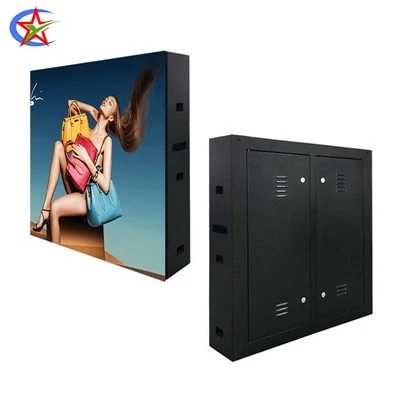
At the end of the day, corrosion is avoidable, but only if you plan for it. As an outdoor LED module supplier, we don’t just sell parts—we help our clients avoid the headaches that come with failure. If you’re planning a new outdoor project or dealing with corroded modules right now, don’t hesitate to reach out. We can walk you through the best options for your location, answer any questions you have, and make sure your LED setup lasts as long as it should.
Outdoor LED Video Wall References
- Electronic Industries Alliance. (2010). Standard for corrosion testing of electronic components.
- LED Lighting Facts. (2022). Outdoor LED module durability and environmental resistance.
- National Association of Corrosion Engineers. (2019). Corrosion prevention guidelines for outdoor electronics.
- International Electrotechnical Commission. (2021). Testing methods for moisture resistance in LED modules.
Shenzhen Starcolor Optoelectronics Co., Ltd.
As one of the most professional outdoor led module manufacturers and suppliers in China, we’re featured by quality products and good price. Please rest assured to wholesale discount outdoor led module in stock here from our factory. Customized orders are welcome.
Address: 2nd floor, Building A, Hongjingda Industrial Park, Shiyan town, Bao’an District, Shenzhen
E-mail: starcolorled@outlook.com
WebSite: https://www.starcolordisplay.com/
