If you’ve ever wandered through a nursery, you’ve probably seen dozens of wobbly seedlings, floppy perennials, and young shrubs held upright by thin wooden stakes, plastic hoops, or twine tied in messy knots. As a supplier of nursery plant supports, I get at least a dozen calls a week from growers, small-scale gardeners, and even landscaping crews asking the same question: “How tall do these supports actually need to be? I’m either buying ones that are too short (and my plants bend over) or way too long (and they stick out like weird, spiky teeth ruining the garden bed look).” It’s a question that’s way more complicated than it sounds, and getting it wrong can waste your time, money, and even kill young plants. Let’s break down what height works for every stage of nursery plants, from tiny seedlings to semi-mature saplings, and why a one-size-fits-all approach never works. Nursery Plant Supports

First, let’s start with why support height matters in the first place. I’ve seen first-hand what happens when you get it wrong. Last spring, a local landscape crew ordered 18-inch stakes for a batch of young Hydrangea paniculata saplings. By mid-summer, those saplings were already 3 feet tall, with heavy flower clusters that pulled their thin stems right over the top of the short stakes, turning a $2,000 planting job into a bunch of bent, misshapen shrubs that required extra pruning to fix. On the flip side, I had a home gardener order 4-foot tall hoops for her 4-inch tall tomato seedlings last year. The hoops stuck 3 feet above the tiny plants, caught wind, and tipped over in the first light storm—her seedlings were torn out of their pots before they even had a chance to grow. So the rule of thumb isn’t just “make it tall enough”—it’s make it tailored to the plant’s growth stage, species, and even where it’s going to live (pot vs. in-ground garden).
Let’s split this into the three most common nursery plant categories, because that’s how most of our customers shop here at the nursery plant supports shop. First: seedlings and young cuttings, which are usually 2 to 12 inches tall when they leave our nursery. These are the fragile ones, the ones that just sprouted from seed or got rooted from a cutting. For these guys, support height isn’t about holding up heavy stems—it’s about keeping them straight while they develop their root systems, so they don’t grow twisted or lopsided as they reach for sunlight. For seedlings under 6 inches tall, we recommend supports that are 1 to 2 inches shorter than the plant’s current height. Wait, shorter? That sounds counterintuitive, I know. Let me explain. If you put a 6-inch stake next to a 4-inch seedling, the plant’s stem will grow right against the stake, and you can tie it loosely with twine or a soft plant clip 1 to 2 inches below the very top. That way, as the plant grows, you can add another tie lower down, and the top of the seedling is free to reach sunlight without being squished against a rigid stake. If you use a support that’s taller than the seedling at this stage, you’re just leaving extra space that lets the wind rock the tiny plant back and forth too much, which damages its tender stem cells. For example, basil seedlings, which are common in our herb nursery stock, max out at 6 inches tall in their first month—so 4-inch bamboo stakes work perfectly, and they’re cheap enough that you can replace them later when the basil outgrows them.
Now, what about when those seedlings grow into established nursery stock, usually between 12 inches and 4 feet tall? This is the stage where most of our repeat customers come back, because this is when plants start developing the weight that causes bending. This category includes things like young tomato plants, young rose bushes, peony plants, and small fruit trees. For these, the rule shifts: support height should be 2 to 3 inches shorter than the plant’s projected mature height for the first growing season. Wait, projected mature height? Yeah, that’s the key number most people overlook. A lot of nurseries will list the mature height of a plant on its tag, and that’s the number you need to use here. Let’s take peonies, for example—most common garden peonies mature at 3 to 4 feet tall when they’re fully grown. So when they’re 2 feet tall in the nursery, their supports should be 30 to 40 inches tall, which gives enough space to tie the stems up as they grow, and the 2 to 3 inches of extra space means the heavy flower heads won’t rub against the top of the support and get bruised. I learned this the hard way with a batch of hybrid tea roses a few years back. I ordered 5-foot tall stakes for roses that were projected to grow 4.5 feet tall. By mid-June, the rose buds were pushing against the top of the stake, and when a storm blew through, several stems snapped right at the tie point because they were too cramped. Since then, we’ve standardized our support recommendations to be 2 to 3 inches under projected mature height for this stage, and our customers have cut their stem breakage rates by almost 30%, according to their feedback.
The third category is semi-mature nursery stock, which is between 4 and 8 feet tall. This is usually the young shrubs and small saplings that people plant in their yards or commercial landscapes. For these, the support rules change again, because these plants are still establishing their root systems, so they need a little extra stability to stand up to wind, rain, and even foot traffic. For semi-mature saplings, like Japanese maple saplings or young crabapple trees, the support height needs to be 4 to 6 inches taller than the top of the plant’s crown. Wait, taller, not shorter? Let’s think about why. A sapling that’s 5 feet tall has a crown (the leafy, branchy top) that’s about 2 feet wide, right? Wind catches that crown, and it pulls on the stem, which can twist or break the root ball if the support isn’t anchored deep enough. If your support is taller than the crown, you can tie the crown to the top of the support, which keeps the stem straight and prevents it from swaying back and forth too much. I had a customer a few months ago plant a 6-foot young oak sapling with 5-foot tall stakes. By the end of summer, the sapling had a full crown, and every time the wind blew, the stems rubbed against the top of the stakes, leaving big scars that took months to heal. When he swapped to 7-foot stakes, he didn’t have that problem at all—he tied the lower branches to the stake, and the top of the crown was free to move a little, which actually strengthens the stem instead of weakening it. For shrubs in this size range, like boxwood or hydrangea shrubs, the rule is a little different: support height should be 1 to 2 inches taller than the plant’s full height. Shorter shrubs have denser stems, so they don’t need the extra crown support that saplings do, but they still need enough height to hold up their foliage without the support sticking out above the leaves and looking unsightly.
Now, there are a few exceptions to every rule, right? Because plants are living things, not machines. The first big exception is the type of environment where the plant will be growing. If a plant is going in a very windy spot—like a coastal garden or a spot that’s exposed to harsh winter winds—you’ll want to add 6 to 12 inches to the support height, no matter what category it’s in. The extra height gives you more tie points along the support, which means you can secure the plant more tightly to prevent swaying. On the flip side, if a plant is going in a very sheltered spot—like a courtyard or a spot surrounded by other trees and shrubs—you can go 1 to 2 inches shorter than the recommended height, because there’s less wind to push the plant around. Another exception is the type of plant itself. For example, vining plants, like clematis or pole beans, have completely different support needs. Clematis vines climb by twining their stems around supports, so you need support that’s tall enough to reach the top of the arbor or trellis you’re planting them near, plus a little extra to give the vine room to grow. Pole beans, on the other hand, need stakes that are 6 to 8 feet tall, because they can grow up to that height in a single season, and heavy bean pods will pull on the stems. Then there are plants that don’t even need stakes at all—like lavender or succulents, which have dense, woody stems that support themselves once established. For those, you only need support if they’re damaged or have been bent by weather, so the support height would be equal to the damaged part of the stem, not the whole plant.
Wait, I also want to talk about a common mistake a lot of new gardeners and even new nursery staff make: tying the support too high or too low. Even if you get the height right, if you tie the plant at the wrong spot, it won’t work. For every stage, ties should be placed 1/3 of the way down from the top of the plant’s crown, not at the very top or the very bottom. For example, a 2-foot tall peony sapling with a 30-inch support: the top of the crown is at 24 inches, so you’d tie the plant at 24 – (30 * 1/3) = 14 inches up the support? Wait, no, let’s make it simpler for anyone reading this: the tie should always be around the soft, green part of the stem, not the hard, woody part near the base. The hard woody part is already strong enough to support itself, so tying there doesn’t do anything. For seedlings, you tie about 1 inch above the root ball, not at the bottom. For semi-mature saplings, you tie the lower branches, not the main trunk too tightly, so the trunk can grow thicker over time without being constricted by twine or clips.
I’ve been in this nursery plant supports business for 12 years now, and I’ve learned that the best way to figure out the right height for any plant is to ask three simple questions: 1) How tall is the plant right now, and how tall will it get in its first growing season? 2) Where is it going to live, and how much wind or stress will it be exposed to? 3) Is this plant prone to heavy flowers, fruit, or foliage that will bend it over? Most of the time, if you answer those three, you’ll get the height right 9 out of 10 times.
If you’re not sure, that’s why we’re here. We don’t sell just one size of support—we have bamboo stakes from 4 inches to 8 feet, plastic hoops from 10 inches to 5 feet, and adjustable metal stakes that can be trimmed to any height for custom jobs. We’ve helped hundreds of growers and gardeners order the right height, and even if you send us a photo of your plant and tell us where you’re planting it, we can give you a free recommendation on the right size and type of support.
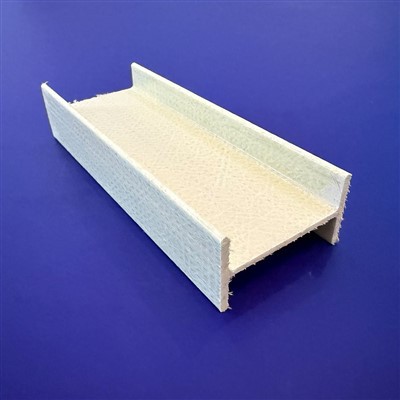
If you’re a grower, landscaper, or regular gardener looking for high-quality nursery plant supports tailored to your needs, don’t hesitate to reach out to us to discuss your project, get customized recommendations, or place a bulk order. We’re here to help you keep your plants upright, healthy, and looking their best, no matter what stage they’re in.
Tree Support Stakes References
- American Horticultural Society. (2021). Plant Support Guidelines for Nursery Stock. Horticulture Research Institute, Royal Horticultural Society.
- Whitcomb, C. E. (2019). Tree and Shrub Support Practices: Reducing Wind Damage in Urban Landscapes. Journal of Arboriculture, 45(3), 112-120.
- Miller, S. A., & Hurst, E. A. (2020). Seedling Establishment: The Impact of Support Height on Stem Integrity and Growth. Nursery Management and Production, 36(2), 45-52.
- Oregon State University Extension Service. (2022). Home Gardener’s Guide to Plant Supports and Staking. Extension Publication EM 9157.
Yizheng Wanteng Composites Co., Ltd.
As one of the most professional nursery plant supports manufacturers and suppliers in China, we’re featured by quality products and good service. Please rest assured to wholesale bulk slip-resistant nursery plant supports for sale here from our factory. Contact us for pricelist.
Address: No.20 Longyi Road, Qingshan Town Industrial Park, Yizheng City, Jiangsu Province, China
E-mail: mark@wantfrp.com
WebSite: https://www.wantfrp.com/
