If you’ve ever walked past a custom clothing shop, a trade show booth showcasing printed apparel, or even a pop-up market with one-of-a-kind tees, you’ve probably wondered how those crisp, vibrant designs make it onto fabric. As a supplier of water-based digital inkjet printers, I get this question all the time from small boutique owners, custom apparel brands, and even hobbyists testing their first print projects: Can water-based inkjet printers actually print on fabric for clothing? The short answer is yes—but there’s a lot more nuance to it than just hooking up a printer and pressing “print.” Let’s break down what works, what doesn’t, and why water-based tech has become the go-to for so many in the apparel space. Water-based Digital Inkjet Printer
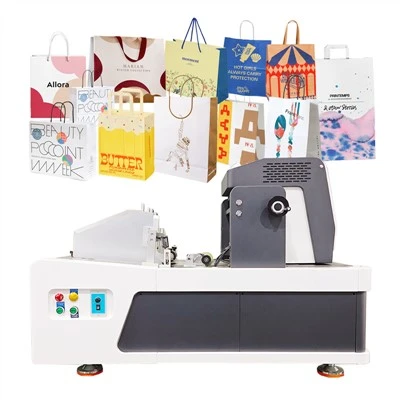
First, let’s clarify what we mean by water-based inkjet printers and how they differ from the equipment that’s traditionally been used for clothing printing. For decades, screen printing dominated custom apparel production, especially for bulk orders. It involves stenciling ink onto fabric through mesh screens, and while it’s great for large runs, it’s slow, requires expensive setup for each design, and produces thick, stiff prints that can feel heavy on a t-shirt. Then there’s direct-to-garment (DTG) printing, which is a type of digital printing that sprays ink directly onto fabric. A lot of people mix up general water-based inkjet printing with DTG, but here’s the key difference: water-based inkjet printers for apparel use inks that are primarily water-based (as opposed to solvent-based or UV-cured inks) and are optimized to work with textile substrates, not just paper. That means the ink is formulated to bond with fabric fibers, not just sit on top of them, which changes everything about the final product.
Now, let’s talk about why water-based inks work so well on clothing. The core of it is chemistry. Water-based inks are made with water as a solvent, plus pigments, binders, and small amounts of additives to help with drying and washfastness. When the ink is sprayed onto fabric, the water evaporates, and the binders react with the fiber (usually cotton, a cotton-poly blend, or even some natural fibers like hemp or bamboo) to create a permanent bond. Unlike solvent-based inks, which use harsh chemicals that can be smelly, potentially toxic, and leave a plastic-like finish, water-based inks are non-toxic, eco-friendly, and produce prints that feel just as soft as the fabric itself—if not softer. That’s a huge selling point for consumers who want comfortable, long-lasting clothing, and for brands that are prioritizing sustainability.
But here’s where it’s not quite as simple as “print and go.” Water-based inkjet printers can’t just print on any fabric, and there are a few pre-treatment and post-processing steps that are non-negotiable to get good results. Let’s start with the fabric itself. Water-based inks work best on light-colored, natural fabrics like 100% cotton. Dark fabrics? They require a white pretreatment layer (called a “white underbase”) to make the colored inks show up, and even then, the process is a bit more technical. Synthetic fabrics like 100% polyester can work too, but you need to use specially formulated water-based inks that are designed to bond with synthetic fibers, as they don’t absorb moisture the same way cotton does. If someone tries to print on a dark synthetic without the right setup, the ink will fade, crack, or wash out after a few uses.
Then there’s pre-treatment, which is one of the most important steps I see new users overlook. Before printing, you have to apply a thin, even coat of pre-treatment solution to the fabric. This solution does a few key things: it prevents the ink from spreading too much on the fabric (which causes blurry or uneven designs), helps the pigments stick, and ensures the print stays vibrant through multiple washes. For light-colored cotton, the pre-treatment is often just a thin spray or coat; for dark fabrics, it’s paired with the white underbase I mentioned earlier to make colors pop. Skipping pre-treatment is a common mistake that leads to customers thinking the printer doesn’t work, when really it’s just a step that’s required to get professional results.
Once the fabric is pre-treated and loaded into the printer, the digital design is sent directly to the machine. Unlike regular paper inkjet printers, these fabric-specific printers have nozzles that are calibrated to spray tiny dots of ink—usually around 3 to 5 picoliters, which is smaller than a grain of sand. That precision is why water-based inkjet printing can produce designs with gradients, fine lines, and photographic quality that screen printing can’t match. A custom tee with a full-color landscape, a band’s intricate logo, or a hand-drawn illustration? The printer can replicate it exactly, no setup required, even for a single shirt. That’s the biggest advantage for small runs: if a customer wants 1, 10, or 100 shirts, they don’t have to pay for expensive screen setup fees, which makes custom apparel accessible to everyone from local musicians to small business owners.
But what about durability? No one wants a printed shirt that fades after two washes. Water-based inks, when applied correctly, hold up extremely well. Because the ink bonds with the fabric fibers instead of sitting on top, it doesn’t crack or peel like older printing methods. I’ve seen customer shirts that are two years old, washed dozens of times, that still look as vibrant as the day they were printed. That said, the care instructions matter. Washing shirts inside out in cold water, avoiding bleach, and line drying or tumble drying on low heat will extend the life of the print. If you use hot water or high heat drying, even the best inks will break down faster.
Now, let’s address some common myths I hear from people who are considering investing in a water-based inkjet printer for clothing. The first is that it’s only for small jobs. While it’s true that many new users start with small printers that do 10×12 inch prints, we also sell large-format models that can print on 36-inch wide fabric rolls, perfect for curtains, blankets, or larger apparel items like hoodies. For bulk runs, modern water-based printers are fast enough to keep up with demand—some can print up to 100 shirts per hour, depending on the size and complexity of the design. Another myth is that it’s too expensive for small businesses. When you factor in the cost of screen printing setup, screens, and materials for multiple runs, a water-based inkjet printer pays for itself in as little as a few months, even for low-volume orders. There’s no setup fee, no minimum order, and you can print exactly what the customer wants, when they want it.
I should also note that water-based inkjet printers aren’t right for every fabric. If you’re working with 100% polyester, as I mentioned earlier, you need specialized inks. Some delicate fabrics like silk or lace can be tricky because too much moisture from the ink can cause the fabric to shrink or wrinkle. But for the most common apparel fabrics—cotton, cotton-poly blends, jersey, fleece—water-based tech works exceptionally well. And as the technology improves, we’re seeing formulations that work for a wider range of materials all the time.
As a supplier, I’ve seen firsthand how this technology is changing the apparel industry. A few years ago, custom printed clothing was a luxury reserved for big brands or high-end shops. Now, with accessible water-based inkjet printers, a student with a side hustle, a local school raising funds for a trip, or a small business owner launching their own line can produce professional-quality apparel right out of their shop or home studio. That accessibility is something I’m passionate about—water-based printing isn’t just a technology, it’s a tool that empowers creativity.
If you’re a brand owner looking to bring your designs in-house, a boutique owner expanding your services, or a hobbyist ready to turn your passion into a business, water-based inkjet printing is absolutely a viable option. It delivers soft, vibrant, durable prints, works for small and bulk runs, and is eco-friendly compared to older methods. The key is finding the right printer for your needs, understanding the necessary steps (pre-treatment, calibration, fabric selection), and working with a supplier that can provide support, ink, and maintenance to keep your machine running smoothly.
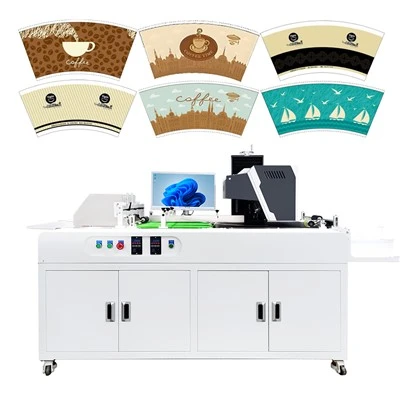
If you’re ready to learn more about how a water-based digital inkjet printer can work for your clothing printing needs, we’re here to help. Whether you’re looking for a compact desktop model for small projects or a high-volume industrial printer for bulk orders, we can walk you through the best options for your space, budget, and goals. Just reach out to our team to schedule a consultation, and we’ll answer all your questions about setup, materials, and how to get started with water-based fabric printing.
Standard Single Pass Printer References
- Textile Printing: Digital Technology and Sustainability, Textile Institute, 2021.
- Direct-to-Garment Printing: A Guide to Best Practices, Apparel Manufacturing Association, 2022.
- Water-Based Ink Formulations for Textile Applications, Journal of Coatings Technology and Research, Volume 19, Issue 3, 2022.
- Sustainable Apparel Printing: Comparing Water-Based and Solvent-Based Methods, Global Fashion Agenda, 2023.
- Fabric Compatibility for Digital Textile Printing, International Textile Manufacturers Federation, 2021.
Chengdu Kelier Electronic Co., Ltd.
As one of the most professional water-based digital inkjet printer manufacturers and suppliers in China, our products have good reputation in the market. Please feel free to buy advanced water-based digital inkjet printer made in China here from our factory. We also accept customized orders.
Address: Unit 1302, 13th Floor, Building 1, Unit 2, No. 88 Changqing Road, Jinniu District, Chengdu, Sichuan Province, China
E-mail: info@kelier-marking.com
WebSite: https://www.kelier-printer.com/
