Hey everyone, it’s Jake here from your local fire sprinkler system supplier – yeah, the one that’s actually been around your neighborhood for like 12 years, helping homeowners not just comply with codes, but sleep way easier at night. Lately, I’ve been getting so many DMs and calls from new homeowners (and even people building their first ever home) asking the same question over and over: “Are fire sprinklers required in new homes?” Fire Sprinkler System
I get it. When you’re staring at blueprints, picking out kitchen cabinets, and budgeting for that fancy outdoor patio you’ve been daydreaming about, fire safety is probably not the first thing on your mind. It feels like another “hoops to jump through” from the city, right? But here’s the thing – it’s not just a random rule. It’s a decision that could save your home, your family, and even your neighbors’ stuff. Let’s break this down like we’re chatting over a beer after a long day, no boring code jargon allowed.
First off, let’s cut to the chase: the short answer is, yes – but it depends. Wait, don’t zone out. I know “depends” sounds like a politician’s answer, but let’s get specific. Most places in the U.S. have adopted the International Residential Code (IRC), and the 2021 and 2024 versions of that code make fire sprinklers mandatory for all new single-family homes, townhomes, and duplexes that are two stories or less, plus any home that’s over 4,000 square feet. But if you’re building in a city that hasn’t updated its local codes in like 10 years? Maybe not yet. I always tell new builders to check with their local building department first – that’s the only hard rule here. But even if it’s not required by code in your area, I’m gonna push you to at least talk to a sprinkler pro (hi, that’s me) about it.
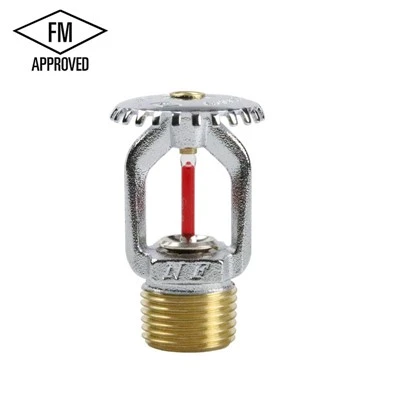
Let’s talk real numbers here, ’cause I don’t do fluff. The National Fire Protection Association (NFPA) did a study a couple years back that blew my mind. In homes without sprinklers, the chance of a small kitchen fire turning into a total loss is like 80%. Wait, 80%? That’s crazy, right? But with sprinklers? That drops to less than 20%. And get this – sprinklers only activate where the fire is. You know those old movies where a fire sets off every sprinkler in the house, soaking all your stuff? Total myth. Modern sprinkler heads have a tiny heat-sensitive glass bulb that only breaks at like 155 to 165 degrees – that’s hot enough for a fire, not for a spilled popcorn bag. Most fires only trigger one or two heads, so you’re looking at a few gallons of water, not a flood ruining your brand new couch.
I’ve seen this play out firsthand, no anecdotes. Last year, I worked with a guy in the suburbs who was building his dream home. The local code didn’t require sprinklers, but he decided to add them on my recommendation. Six months after he moved in, his 10-year-old son left a candle on the nightstand – you know how kids do. The fire started in the boy’s room, triggered one sprinkler head, and that was it. The fire department got there in 3 minutes, but by then, the sprinkler had already put out the flames. The only damage was to the nightstand and a small rug – no drywall, no furniture in the rest of the house. He told me later that if he’d skipped the sprinklers, he would’ve lost his whole home, and his kid’s bedroom would’ve been gone in seconds. That’s the real stuff, not the code books.
Now, I know what some of you are thinking: “Sprinklers are too expensive, right?” Let’s do the math, ’cause I’ve heard this a million times. When you’re building a new home, adding a sprinkler system usually costs between $1.50 and $2.50 per square foot. So for a 2,000 square foot home? That’s $3,000 to $5,000. Wait, that’s it? I’ve had people tell me that’s “too much” – but let’s compare that to the average cost of a home fire loss, which the Insurance Information Institute says is over $70,000. And that’s not even counting emotional trauma, temporary housing, or the hassle of rebuilding. Plus, most homeowners insurance companies give a 5% to 15% discount on your premium if you have a working sprinkler system. That pays for itself in like 2 to 3 years.
Another thing I hear all the time: “My house is in a safe neighborhood, the fire department is fast.” Yeah, the fire department is great, but can they get to your home in time? Most house fires double in size every 60 seconds. If someone’s at work, or asleep, or not home – the fire’s already gotten out of control before they even pull up. Sprinklers activate within seconds of a fire starting. That’s the difference between a small mess and a total disaster. I don’t care how good your fire department is – they can’t be in two places at once.
Wait, what about older homes? The question here is about new homes, but I get a lot of cross-over questions from people renovating old places. But let’s stay focused on new builds. If you’re in the planning phase right now, here’s my best tip: don’t treat sprinklers as an afterthought. When you’re laying out the plumbing and electrical, work with a sprinkler company early on (that’s us, by the way). We can design the system to be hidden in the ceiling or behind walls so it doesn’t mess up your fancy finishes. I’ve seen so many builders try to tack sprinklers on at the end, and they end up with ugly pipes running across the living room ceiling, or having to cut into finished drywall to install heads. Plan ahead, and it’s almost invisible.
Let’s talk about common myths, ’cause these still pop up all the time. Myth #1: Sprinklers require a big water bill. No, really – they only use about 10 to 15 gallons of water when they activate. That’s like a standard shower. Your water bill will barely notice. Myth #2: They’re high maintenance. Modern sprinkler systems for homes just need a quick inspection once a year, like your smoke detectors. And the heads last 20 to 30 years, so you don’t have to replace them every few years. We even offer annual check-ups for all our clients, so you don’t have to remember it.
Is there any case where sprinklers aren’t worth it? Honestly, I can’t think of one. Even if you’re building a tiny home under 1,000 square feet, the cost is negligible compared to the risk. I had a client last year building a 800 square foot tiny home for her mom, and she opted for the system for like $1,200. A small fire in a tiny home could destroy the whole thing in minutes – that’s a no-brainer.
Now, let’s circle back to the original question: are fire sprinklers required in new homes? The short answer is, check your local code – most areas do require them, especially for homes over a certain size or two stories or more. But even if your area doesn’t mandate it, it’s one of the smartest safety investments you can make for your family and your home. I’ve been doing this for over a decade, and I’ve never had a client tell me they regret installing a sprinkler system. I have had clients tell me they wish they’d done it sooner, after a scare or a loss of a neighbor’s home to a fire.
Look, building a home is one of the biggest investments you’ll ever make. You’re putting in time, money, and your whole future into that space. Why would you skip a safety system that could protect all of that? Smoke detectors are great, but they only alert you – they don’t put the fire out. Sprinklers do both, and they do it fast.
If you’re in the middle of planning a new home, or even just starting to think about it, don’t wait until the city sends you a notice. Reach out to us – we’ll come out, walk through your blueprints, answer all your questions, give you a no-pressure quote, and make sure you get a system that fits your home, your budget, and your needs. No sales pitch, just real advice from someone who’s been in this game long enough to know what works.

At the end of the day, fire isn’t something most of us think about until it’s too late. Don’t be the person who says “I should’ve installed sprinklers” after it’s too late. Your family, your home, and your peace of mind are worth the small investment. Let’s make sure your new home is as safe as it is beautiful.
Flanged Gate Valve References
National Fire Protection Association. (2023). Home Fire Sprinkler System Performance. NFPA 13D: Standard for the Installation of Sprinkler Systems in One- and Two-Family Dwellings and Manufactured Homes.
Insurance Information Institute. (2024). Home Fire Loss Statistics and Savings from Fire Safety Equipment.
International Code Council. (2021). International Residential Code (IRC) Section R313: Fire Sprinkler Systems.
Nonfir Automatic Sprinkler Co., Ltd.
As one of the most professional fire sprinkler system manufacturers and suppliers in China, we have world-leading production equipment and strong manufacturing capabilities. Please feel free to buy advanced fire sprinkler system at competitive price from our factory.
Address: No.8, Yuanfeng Road, Meiyuan Village, Kangmei Town, Nan’An City, Quanzhou City, Fujian Province, China
E-mail: info@nfsprinkler.com
WebSite: https://www.nonfirsprinklers.com/
