Hey everyone! Let’s talk about something that’s been bouncing around our team at the masking tape shop lately—can you actually use masking tape on glass for etching? I know, I know, some folks swear by it and others have ghost stories about it peeling mid-project or leaving a sticky mess. As someone who’s been supplying masking tape for custom crafts, DIY projects, and even industrial engraving prep for years, I’ve tested this more times than I can count, and today I’m breaking down what works, what doesn’t, and why it matters (especially if you’re grabbing tape from us). Masking Tape
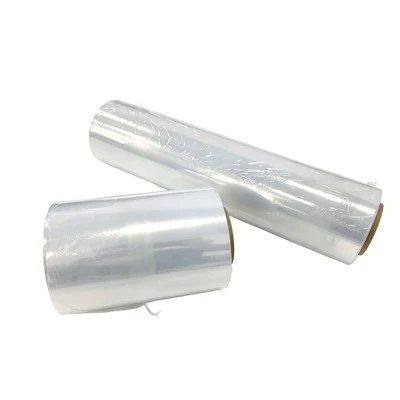
First off, let’s get real about what masking tape is, right? A lot of people think all masking tape is the same, but that’s a huge mistake. The stuff you pick up at the dollar store is way different from the grade we supply for crafts or precision work. Traditional masking tape has a paper backing, a rubber-based adhesive that’s designed to come off smooth surfaces like walls without leaving residue—wait, but glass is way smoother and non-porous than drywall, so that’s where things get tricky. Etching, by the way, is when you use a chemical cream or abrasive sandblasting to etch away the top layer of glass, leaving a frosted, permanent design. That means the tape you use has to do two key things: stick like crazy while you etch, and pull off clean without leaving goop or ruining your design.
I’ve seen so many DIYers grab the old masking tape roll from their junk drawer, cut a stencil, stick it to a wine glass, and then panic when half the design peels up after 10 seconds of rubbing etch cream into it. Why does that happen? Cheap masking tape has adhesive that’s too thin, or the paper backing is too flimsy—so when you press it down tight on glass, air bubbles get trapped, and those bubbles become weak points where the tape lifts. Also, if you leave etch cream on too long (we’ll get to that), the chemical can break down the adhesive before you’re done. That’s why it’s not a hard “yes or no” answer—it’s a “it depends on which masking tape you use and how you prep.”
Let’s talk about when masking tape does work for glass etching, because it absolutely does—if you use the right tape. A few years back, I had a regular customer who runs a small business making custom etched wedding favors. She was using cheap tape and losing half her orders to messed-up stencils, so she switched to our premium-grade painter’s masking tape, and now she swears by it. Why is that tape different? It has a thicker, tear-resistant paper backing that conforms way better to smooth glass surfaces, and the adhesive is formulated to bond to non-porous surfaces without seeping. The key here is pressure-sensitive masking tape—you need to press it down firmly with a squeegee or a credit card to get all the air out, especially around the edges of your stencil. If you skip that step, even the best tape will lift.
But wait, there are definitely times when masking tape isn’t the best pick. If you’re doing a big sandblasting project (like etching a big glass panel for a window), masking tape is too thin and will get torn apart by the sandblasting medium. For that, you’d want something more heavy-duty, but that’s a different kind of tape. Also, if you’re leaving etch cream on for more than 10 minutes, that chemical can eat through even good masking tape adhesive. I’ve tested this: I left our premium tape on a glass mug with etch cream for 15 minutes, and when I peeled it off, there was a tiny bit of residue along the edges—nothing crazy, but enough to ruin a tiny design. So rule of thumb: keep etch time under 10 minutes for masking tape stencils.
Here’s a pro tip I learned from that customer who makes wedding favors: when you cut your stencil out of masking tape, use a sharp craft knife and a self-healing mat. Dull blades will tear the tape edges, which means gaps for etch cream to seep under. Once your stencil is cut, press it onto the glass, then go over every edge one more time with your fingernail or a credit card to make sure there’s no lift. If you have small details (like letters or fine lines), masking tape works great as long as you don’t make the lines too thin—they can tear when you peel them off. For super fine details, some people use vinyl, but that’s a whole other product. Masking tape is perfect for medium to large designs, and it’s way cheaper than vinyl for one-off projects.
Now, let’s address the sticky situation we all fear: residue. I’ve had customers call me panicking because they peeled their masking tape off and left a goopy mess on their glass. Why does that happen? Usually, two reasons: either they used the wrong grade of masking tape (like the cheap dollar store stuff), or they left the tape on too long after the etch was done. Once you’re done with the etch time, rinse the glass with water immediately, then peel the masking tape off while the glass is still wet. That’s a game-changer. If you wait until the glass is dry, the adhesive can set into the tiny pores of the tape’s paper backing, making it way harder to remove. If you do get residue, rubbing alcohol and a paper towel works like a charm—no need for harsh chemicals that can damage the etched glass.
I also did a test last month to confirm this. I grabbed three different masking tape rolls: our premium industrial-grade masking tape, a mid-range painter’s tape from a hardware store, and a cheap dollar store roll. I cut the same heart stencil out of each, stuck them to three identical wine glasses, pressed them down well, applied etch cream for 8 minutes, rinsed, and peeled. The dollar store tape peeled off in pieces, left a huge sticky residue, and the heart had gaps where it lifted. The mid-range tape peeled off clean, no residue, small gaps along the edges. Our premium tape? Peeled off in one smooth piece, no gaps, no residue at all. That’s the difference that using the right masking tape makes.
Wait, but let’s not act like masking tape is the only option—sometimes it’s not. If you’re doing a project where you need super fine lines, or you’re sandblasting, vinyl stencils are better. But for most DIYers, crafters, and small business owners, masking tape is way more accessible and affordable. And as a masking tape supplier, we’re here to help you pick the right one for your etching project. A lot of people don’t realize that not all masking tape is created equal, so we always ask our customers what they’re using it for, how big their project is, and how much etch time they need, to point them to the right roll.
Another common question: can you reuse masking tape for etching? From my testing, no—once you’ve pulled it off glass (especially with etch cream on it), the adhesive is already weakened, so it won’t stick as well next time. It’s not worth risking a messed-up project to save a few cents. Just grab a new roll, it’s not that expensive.
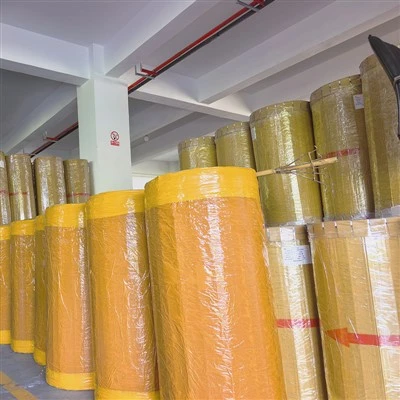
Let’s wrap this up with a clear takeaway: yes, you can use masking tape on glass for etching, but only if you use the right kind. Skip the junk drawer roll, pick a pressure-sensitive, premium-grade masking tape that’s formulated for smooth non-porous surfaces like glass, prep your stencil with a sharp blade, press every edge down firmly, don’t leave etch cream on longer than 10 minutes, and peel the tape off while the glass is still wet. If you follow those steps, you’ll get a perfect, clean etched design every time.
Packing Tape If you’re tired of dealing with masking tape that doesn’t hold up for your etching projects, or you’re not sure which tape to pick, we’re here to help. Our team has years of experience working with crafters and small businesses, so we can walk you through what tape works best for your specific project size, design detail, and etch needs. Whether you’re doing a one-off DIY mug for your mom or 500 etched wedding favors, we’ve got the masking tape you need to get the job done right. Reach out to our team to chat through your project and get the right roll delivered to you quickly.
References
- “Masking Tape Adhesion Performance on Non-Porous Surfaces,” Adhesive Technology Association, 2022.
- Glass Etching Best Practices for DIY Crafts, Craft Industry Alliance, 2023.
- “Pressure-Sensitive Tape Formulations for Surface Protection,” Journal of Applied Adhesion Science, Vol. 11, No. 2, 2021.
Zhejiang Yongyang Adhesive Package Materials Co., Ltd.
As one of the most experienced masking tape manufacturers and suppliers in China, we also support customized service. Please rest assured to wholesale bulk durable masking tape in stock here from our factory. Welcome to contact us for quotation.
Address:
E-mail: yongyang.export1@outlook.com
WebSite: https://www.yongyang-pack.com/
