What are the effects of antistatic additives on the friction coefficient of materials?
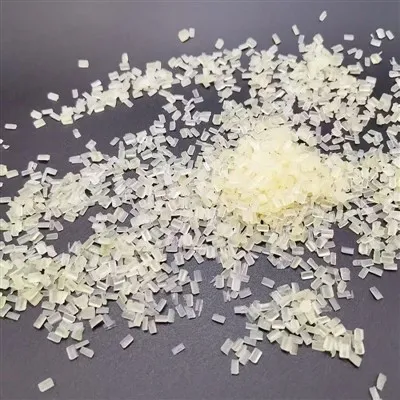
As a supplier of antistatic additives, I’ve witnessed firsthand the diverse and significant impacts our products have on various materials. Antistatic additives are substances introduced to materials to reduce or eliminate static electricity buildup. This seemingly simple function has far – reaching implications, especially when it comes to the friction coefficient of materials. Antistatic Additives
Understanding the Basics: Antistatic Additives and Friction Coefficient
Let’s first understand what we mean by antistatic additives and the friction coefficient. Antistatic additives work by either increasing the surface conductivity of a material or by attracting and retaining a thin layer of moisture on the surface. This moisture helps in dissipating static charges more effectively. There are two main types of antistatic additives: internal and external. Internal additives are incorporated into the material during the manufacturing process, while external additives are applied to the surface after production.
The friction coefficient, on the other hand, is a measure of the force required to move one object over another. It is a dimensionless quantity that depends on the nature of the two surfaces in contact and the normal force pressing them together. There are two types of friction coefficients: static and kinetic. The static friction coefficient refers to the force needed to start an object moving from rest, while the kinetic friction coefficient is the force required to keep an object moving at a constant speed.
How Antistatic Additives Affect the Friction Coefficient
Surface Modification
One of the primary ways antistatic additives influence the friction coefficient is through surface modification. When an antistatic additive is added to a material, it can change the surface roughness and texture. For example, some antistatic additives create a smoother surface finish. A smoother surface generally reduces the contact area between two objects in contact. According to the laws of friction, a smaller contact area means a lower frictional force, as the frictional force is proportional to the real area of contact.
In plastic materials, the addition of an internal antistatic additive can lead to a more uniform distribution of charges on the surface. This not only helps in dissipating static electricity but also results in a more even and smooth surface. As a result, the friction coefficient, both static and kinetic, may decrease. This is particularly beneficial in applications where smooth movement is required, such as in conveyor belts or sliding components in machinery.
Moisture Retention
As mentioned earlier, many antistatic additives work by attracting and retaining moisture on the material’s surface. This thin layer of moisture acts as a lubricant. In the case of polymers, the presence of moisture can reduce the intermolecular forces between the polymer chains at the surface. When two polymer – based objects come into contact, the lubricating effect of the moisture layer reduces the frictional resistance.
For instance, in the packaging industry, where plastic films are used extensively, the addition of an antistatic additive can help in reducing the friction between the films. This makes it easier to unroll and handle the films during the packaging process. The moisture – retaining property of the antistatic additive also prevents the films from sticking together due to static charges, further improving the overall handling efficiency.
Chemical Interactions
Antistatic additives can also interact chemically with the material and the contacting surface. Some additives contain polar groups that can form weak bonds with the surface molecules. These bonds can either increase or decrease the friction coefficient depending on the nature of the interaction.
In some cases, the chemical interaction can lead to the formation of a boundary layer between the two surfaces. This boundary layer can act as a buffer, reducing the direct contact between the surfaces and thus lowering the friction. For example, in rubber materials, certain antistatic additives can react with the rubber molecules at the surface, creating a protective layer that reduces the frictional forces when the rubber comes into contact with other materials.
Impact on Different Materials
Plastics
Plastics are one of the most common materials where antistatic additives are used. In thermoplastics like polypropylene and polyethylene, the addition of an antistatic additive can significantly reduce the friction coefficient. This is important in applications such as plastic pipes, where smooth flow of liquids or gases is required. The reduced friction coefficient also helps in reducing wear and tear of the pipes, increasing their service life.
In addition, in the production of plastic parts for electronic devices, the use of antistatic additives not only prevents static damage but also ensures smooth assembly. The reduced friction coefficient makes it easier to fit different parts together, improving the overall manufacturing process.
Fibers
Fibers, both natural and synthetic, are also affected by antistatic additives. In the textile industry, static electricity can cause problems such as fabric clinging and dust attraction. By incorporating antistatic additives into the fibers, these issues can be resolved. Moreover, the friction coefficient between the fibers is also affected.
For synthetic fibers like polyester and nylon, the addition of an antistatic additive can reduce the friction between the fibers, making the fabric more drapable. In the case of natural fibers like cotton, the antistatic additive can improve the handling of the fibers during the spinning and weaving processes by reducing the static – induced entanglement, which in turn is related to the change in the friction coefficient between the cotton fibers.
Rubbers
Rubber materials are used in a wide range of applications, from tires to gaskets. The friction coefficient is a critical parameter in these applications. For example, in tires, a balance between the friction coefficient and other properties is essential for good traction and handling.
Antistatic additives can affect the friction coefficient of rubber in different ways. In some cases, they can increase the friction coefficient slightly to improve the grip, especially in wet conditions. This is achieved by modifying the surface properties of the rubber to enhance the interaction with the road surface. In other applications, such as rubber seals, a lower friction coefficient may be desired to ensure smooth movement and prevent wear. Antistatic additives can be formulated to achieve the desired friction coefficient for specific rubber applications.
Practical Applications and Benefits
Industrial Manufacturing
In industrial manufacturing processes, the use of antistatic additives to control the friction coefficient can lead to significant improvements in efficiency. For example, in injection molding processes, a lower friction coefficient between the plastic part and the mold can reduce the ejection force required. This not only speeds up the production cycle but also reduces the risk of damage to the molded parts.
In metalworking processes, where plastic or rubber components are in contact with metal surfaces, antistatic additives can be used to reduce friction and wear. This helps in extending the service life of the tools and equipment, reducing maintenance costs, and improving the overall quality of the manufactured products.
Consumer Goods
In consumer goods, the impact of antistatic additives on the friction coefficient is also evident. For example, in household appliances, such as vacuum cleaners, the use of antistatic additives in the plastic components can reduce friction, making the appliance easier to move around. In electronic devices, the reduced friction coefficient between the plastic parts can improve the user experience, as it allows for smoother opening and closing of covers and compartments.
Conclusion
As a supplier of antistatic additives, I am well – aware of the complex and important relationship between these additives and the friction coefficient of materials. The effects of antistatic additives on the friction coefficient can vary depending on the type of additive, the material, and the specific application. However, in general, they can be used to either increase or decrease the friction coefficient to achieve the desired performance.
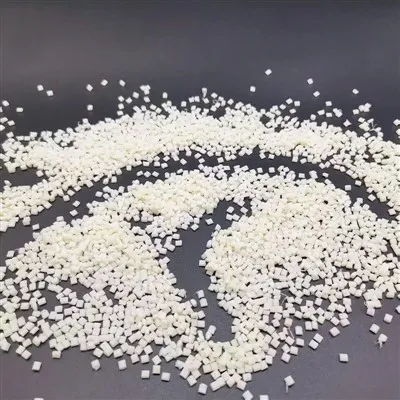
Whether you are in the industrial manufacturing sector, the consumer goods industry, or any other field that uses materials where static electricity and friction are concerns, our antistatic additives can offer solutions. We have a wide range of products that can be tailored to your specific needs. If you are interested in learning more about our antistatic additives and how they can benefit your materials and processes, please don’t hesitate to contact us for a detailed discussion and potential purchasing negotiation.
Conductive Polymer References
- Bowden, F. P., & Tabor, D. (1950). The Friction and Lubrication of Solids. Oxford University Press.
- Young, R. J., & Lovell, P. A. (1991). Introduction to Polymers. Chapman & Hall.
- Dorris, G. M., & Gray, D. G. (1980). The effect of polar groups on the wettability of polymers. Journal of Colloid and Interface Science, 77(1), 353 – 362.
Jiangxi Sugo Advanced Materials Co., Ltd.
With abundant experience, we are one of the most professional antistatic additives manufacturers in China. Please feel free to buy high quality antistatic additives in stock here and get free sample from our factory. We also accept customized orders.
Address: 1st Fugong Rd, Futian Industrial Park, Dingnan, Ganzhou City, Jiangxi Prov., R.P.C 341900
E-mail: EILEEN@SUGOPLAS.COM
WebSite: https://www.sugo-esd.com/
