When it comes to industrial operations, storage tanks play a pivotal role in various sectors, from oil and gas to chemical processing, water treatment, and more. Ensuring the integrity of these storage tanks and preventing leaks is not just a matter of protecting our environment, but also maintaining operational efficiency, safeguarding human health, and complying with strict regulatory standards. As a storage tank supplier deeply committed to offering high-quality and reliable solutions, I understand the critical importance of tank leak prevention. In this blog post, I’ll share some key strategies and practices for preventing leaks in storage tanks. Storage Tank
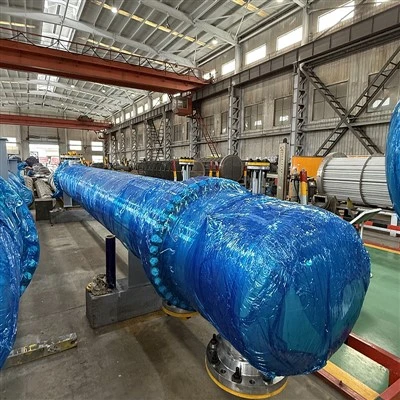
1. Material Selection and Design
The foundation of leak prevention starts with the right material selection and a well – thought – out design. Different types of stored substances require specific materials. For instance, if you’re storing corrosive chemicals, stainless steel or fiberglass – reinforced plastic (FRP) could be excellent choices. Stainless steel offers high resistance to corrosion due to its chromium content, which forms a passive oxide layer on the surface, protecting the base metal from further corrosion. FRP is equally good, being lightweight, corrosion – resistant, and customizable.
During the design phase, factors like tank shape, size, and pressure requirements must be carefully considered. A well – designed tank distribution system can minimize stress concentrations, which are potential weak points that could lead to leaks. For example, a torispherical head design can distribute pressure more evenly compared to a flat head, reducing the risk of cracking at the joint between the head and the shell.
2. Quality Manufacturing and Installation
The manufacturing process is where the theoretical design turns into a real – world product. High – precision manufacturing techniques are essential to ensure the tank meets all the required specifications. Welding, in particular, is a critical process. Poor welding can lead to weak joints that are prone to leakage. Welders should be highly skilled and certified, and the welding process should follow strict quality control measures. Non – destructive testing methods such as ultrasonic testing, radiography, and magnetic particle inspection can be used to detect any internal or surface defects in the welds.
Proper installation is just as crucial as manufacturing. The tank should be installed on a stable and level foundation. If the foundation settles unevenly, it can put stress on the tank structure, leading to cracks and leaks. During installation, all connections, such as pipes, valves, and fittings, should be properly tightened and sealed. Gaskets and seals should be made of high – quality materials compatible with the stored substance.
3. Regular Inspection and Maintenance
Regular inspections are the cornerstone of leak prevention. Visual inspections can be carried out on a daily or weekly basis to check for obvious signs of damage, such as cracks, dents, or rust. These surface inspections can help detect early – stage issues before they develop into major leaks.
In addition to visual inspections, more in – depth inspections should be conducted periodically. Ultrasonic thickness testing can be used to measure the remaining wall thickness of the tank, indicating whether corrosion has occurred. This is especially important for older tanks or those in harsh environments. Stress – corrosion cracking can also be detected by using specialized techniques like acoustic emission monitoring.
Maintenance activities should be carried out promptly based on the inspection results. Minor repairs, such as patching small cracks or replacing worn – out gaskets, should be done as soon as possible. For more severe damage, the tank may need to be taken out of service for major repairs or even replacement.
4. Monitoring and Alarm Systems
Advanced monitoring and alarm systems can provide real – time information about the tank’s condition and alert operators in case of potential leaks. Level sensors can monitor the liquid level in the tank. A sudden drop in the liquid level could indicate a leak. Pressure sensors can also be installed to detect any abnormal pressure changes, which could be a sign of a rupture or a faulty valve.
Leak detection sensors can be placed around the tank, in the secondary containment area, or inside the tank. These sensors can detect the presence of the stored substance and trigger an alarm when a leak is detected. Remote monitoring systems can allow operators to monitor the tank’s condition from a central control room, enabling quick response times in case of an emergency.
5. Employee Training
Employees who work with storage tanks play a vital role in leak prevention. They should receive comprehensive training on safe handling procedures, tank operation, and emergency response. Training should cover topics such as how to properly open and close valves, how to read monitoring equipment, and what to do in case of a leak.
Regular drills should be conducted to ensure that employees are familiar with the emergency response plan. This includes evacuating the area, notifying the relevant authorities, and taking steps to contain the leak. Well – trained employees can not only prevent leaks but also minimize the damage in case a leak does occur.
6. Secondary Containment
Secondary containment is an additional layer of protection against leaks. It is a structure designed to hold the contents of a tank in case of a primary container failure. For above – ground storage tanks, a secondary containment system can be a berm or a dike. The secondary containment area should have enough capacity to hold the entire volume of the primary tank, plus any associated pipes and fittings.
Underground storage tanks also require secondary containment. This can be in the form of a double – walled tank or a liner system. The secondary containment should be regularly inspected to ensure its integrity.
7. Regulatory Compliance
Complying with relevant regulations is a must for any storage tank operation. Different industries and regions have specific regulations regarding tank design, installation, inspection, and maintenance. These regulations are in place to protect the environment and public safety.
As a storage tank supplier, we always ensure that our products meet or exceed these regulatory requirements. We help our customers understand and comply with the regulations, providing them with the necessary documentation and support.

In conclusion, preventing leaks in storage tanks is a multi – faceted process that requires attention to every detail, from the initial material selection to ongoing maintenance and monitoring. By implementing these strategies, we can significantly reduce the risk of leaks, protect the environment, and ensure the smooth and safe operation of industrial facilities.
Fixed Tube Sheet Heat Exchangers If you are in the market for a reliable storage tank solution or need more information on how to prevent leaks in your existing tanks, I encourage you to reach out to us. We have a team of experts who can provide you with customized solutions based on your specific needs. Let’s start a discussion and work together to meet your storage tank requirements.
References
- ASME Boiler and Pressure Vessel Code.
- API Standards for Petroleum Storage Tanks.
- OSHA Regulations for Hazardous Chemical Storage.
- EPA Guidelines for Storage Tank Leak Prevention.
Shandong Meiling International Trading Co., Ltd.
We are one of the most professional storage tank manufacturers and suppliers in China, featured by quality products and good service. Please feel free to wholesale advanced storage tank made in China here from our factory. Customized orders are welcome.
Address: No. 998 Niushan Road, Linzi District, Zibo City, Shandong Province
E-mail: dingxiaoli@sdmeiling.com.cn
WebSite: https://www.ml-heatexchanger.com/
