If you’ve ever stood on a fishing trawler’s deck mid-storm, watching thick coils of fishing line whip against the rail and struggling to keep nets from tangling on sharp, heavy deck hardware, you’ve probably wondered how crews keep operations running when things go wrong. That’s where tramp release cylinders come in—one of the most underrated workhorses on commercial fishing vessels, vessel deck equipment, and even industrial material handling setups that deal with heavy, unexpected loads. As a supplier who’s worked with these components for over a decade, I can tell you that most of my customers come to me knowing they need this part, but not always exactly what it does, why it’s non-negotiable, or how to spec the right one for their needs. Today, I’m breaking down what tramp release cylinders are used for, beyond just the generic “they release tramp loads” label. Tramp Release Cylinders

First, let’s get the basics out of the way, for anyone hearing the term for the first time. A tramp release cylinder is a type of hydraulic or pneumatic linear actuator designed to automatically disengage heavy, unplanned loads—called “tramp loads” in industry lingo—when a set force or tension threshold is hit. Unlike standard cylinders that operate on a fixed cycle, tramp release cylinders are calibrated to hold a load in place during normal operations, then release suddenly when tension exceeds that safe limit. That sudden, controlled release is what prevents equipment damage, operator injury, and costly downtime.
Most people’s first connection to these cylinders is commercial fishing, and for good reason. Trawling nets, purse seines, and longline gear generate massive, variable tension as they’re dragged through water. When a net hits a submerged rock, a school of large fish, or even debris on the seabed, the tension spikes fast. Without a release mechanism, that sudden force would snap the main towing cable, bend the winch drum, or tear apart the net—costing thousands of dollars in equipment and lost catch, not to mention putting the entire crew at risk. I’ve seen trawlers with winches ripped off their decks because a standard hold failed during a tension spike, and that’s exactly why tramp release cylinders were invented here.
Let’s narrow that down to specific fishing applications, because that’s where these cylinders do their most critical work. For trawl winches, they’re installed between the winch drum and the towing cable. During normal trawling, the cylinder holds a steady tension on the line to keep the net at the correct depth. If the net snags on a rock or debris, tension jumps past the pre-set limit (usually 10,000 to 50,000 pounds, depending on the vessel size), and the cylinder releases the line slowly enough to avoid a violent snap, but fast enough to prevent damage to the winch. Purse seiners use them for their power blocks, the heavy hardware that closes the net around a school of fish. When the net is full and tension spikes from pulling the catch, the release cylinder disengages the power block so the crew can adjust the net without overloading the hydraulic system. Even longliners use smaller tramp release cylinders for their line pay-out systems, to prevent breaks when a large fish pulls harder than the line is rated for.
But commercial fishing isn’t the only place these cylinders are used. That’s a common misconception—many people think they’re only for boats, but they’re a staple in any industry that handles heavy, dynamic loads that experience sudden tension. Let’s talk about maritime and port operations first. Cargo winches on container ships, bulk carriers, and general cargo vessels rely on tramp release cylinders for loading and unloading heavy cargo. When a shipping container is being lifted from the hold, a sudden shift in the vessel’s cargo or a snag on the crane’s spreader can cause tension spikes. The cylinder releases the lifting line before that force can damage the crane or the container. Port tugboats also use them on their towing winches, to keep the tug from being pulled off course if the vessel it’s towing lurches unexpectedly.
Moving beyond the water, tramp release cylinders are key in industrial material handling, especially in mining and construction. Mining operations use heavy winches to lower and raise drill rigs, ore carts, and personnel into and out of mine shafts. A snag on a rock wall or a sudden shift in the weight of the ore car can create tension spikes that would snap steel cable or crush equipment. Tramp release cylinders calibrated to hold the working load but release at a 10-15% over-tension limit are standard here. Construction sites use similar setups for cable hoists that lift building materials to high floors, and for temporary guy lines that stabilize scaffolding during high winds. If a gust of wind pulls a guy line harder than it’s rated, the cylinder releases the line gradually, preventing the scaffolding from tipping or the cable from snapping and falling.
I’ve also seen tramp release cylinders used in more specialized applications, like offshore wind farm maintenance. Crews that service wind turbine blades and towers use tensioning systems to secure their work platforms to the turbine structure, especially in rough seas. If the platform is jostled by a wave, the tension spike on the securing lines is enough to trigger the tramp release cylinder, which lets the platform shift slightly without putting excessive stress on the turbine’s foundation. It’s a small component, but it’s become mandatory for safety on all new offshore wind installations in the last five years.
Now, as a supplier, I can tell you that one of the biggest mistakes customers make is assuming all tramp release cylinders are the same. The right cylinder depends entirely on the application’s load requirements, operating environment, and response time. For example, a trawler working in the North Atlantic needs a cylinder made from corrosion-resistant 316 stainless steel, calibrated to release at 20,000 pounds, with a response time of less than half a second—because a line break in rough seas can turn dangerous in seconds. A miner working in an underground gold mine, on the other hand, needs a cylinder rated for extreme temperature swings (from 40 degrees F above ground to near freezing in the shaft) and calibrated to release at 50,000 pounds, with a slower response time since mine cables are thicker and less prone to sudden, violent snaps.
We’ve had customers come to us after purchasing a cheap, off-the-shelf cylinder from a general industrial supplier, only to have it fail on their first deployment. Last year, a medium-sized fishing boat in the Gulf of Mexico bought a $1,200 pneumatic tramp release cylinder from a hardware supply store, thinking it would work the same as the hydraulic model we supply. It failed when a net snagged on a pipeline, because pneumatic cylinders can’t deliver the consistent, high-force release needed for heavy towing lines. The crew lost their entire net and $15,000 worth of catch, and the winch drum suffered a $3,000 repair. That’s why we always work with customers to walk through their specific needs: what’s the maximum working load? What’s the over-tension limit they need to trigger release? Will it be exposed to saltwater, dust, or extreme temperatures? Do they need a hydraulic, pneumatic, or even mechanical release cylinder?
Another key point about tramp release cylinders: they’re designed for repeat use, not a one-time fix. A lot of people think they’re a one-and-done safety device, but that’s not true. Every time a cylinder releases, it resets itself automatically (most modern models do, anyway) so it’s ready to hold tension again the next time. That’s a huge benefit for operations that run 24/7, like commercial fishing and mining—they don’t have to stop to replace a component every time a release is triggered. We do recommend annual inspections, though, to check for wear on the seals and calibration of the release threshold, just like you’d do for any winch or crane component.
What also surprises a lot of new customers is that tramp release cylinders can be customized. If you have a non-standard application—say, a small fishing boat that uses a net system with a unique load profile, or a construction company that needs a release cylinder for a custom hoist design—we can build one to spec. We’ve made cylinders for 50-foot yachts used for recreational fishing, and others for 100-ton mining winches, all tailored to the exact operating conditions of the customer.
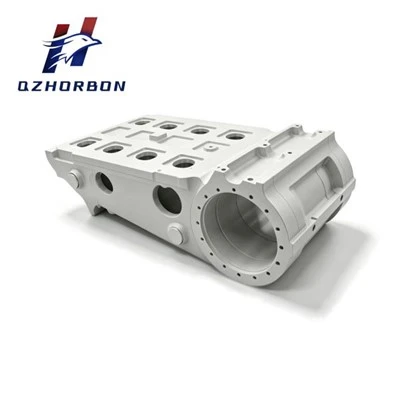
At the end of the day, the core purpose of every tramp release cylinder, no matter the application, is twofold: protect the asset and protect the people. The heavy equipment on a fishing trawler or a construction site isn’t cheap, but the cost of replacing it or covering downtime pales in comparison to the human cost of a line break or a failed load. I’ve heard too many stories of crew members being injured or worse because a safety component was skipped or cheaped out on, and that’s why I’m so passionate about supplying high-quality, properly calibrated tramp release cylinders. If you’re in the commercial fishing, maritime, mining, construction, or offshore wind industry, and you’re looking to replace a faulty cylinder, spec a new one for a build, or just have questions about what type you need, feel free to reach out to discuss your requirements.
Crusher Pulley References
- NOAA Fisheries. (2021). Commercial Fishing Gear Safety and Equipment Guidelines. U.S. Department of Commerce.
- International Organization for Standardization. (2019). Marine Shipping and Port Technology Standards: Winch and Towing Equipment Safety. ISO 10246:2019.
- Society of Mining, Metallurgy, and Exploration. (2020). Underground Mine Hoisting System Safety and Maintenance. SME Publications.
- American Wind Energy Association. (2022). Offshore Wind Installation Vessel Equipment Safety Standards. AWEA Technical Report 2022-03.
Quzhou Horbon Mining Parts Co., Ltd.
Address: No.8 Nanshan Road, Qujiang District, Quzhou City, Zhejiang Province, China
E-mail: horbonmining@gmail.com
WebSite: https://www.horbonmachinery.com/
