If you’ve ever walked through a local art studio, visited a craft fair, or browsed DIY project boards, you’ve probably stumbled across fiberglass mesh before. Most people know it as a staple for home improvement: reinforcing drywall, finishing stucco, patching cracks in concrete, or even screening windows. But as a fiberglass mesh supplier, I’m here to tell you this versatile material is also a hidden gem for art and craft projects—one that’s underused by many creators who could benefit from its unique properties. Fiberglass Mesh
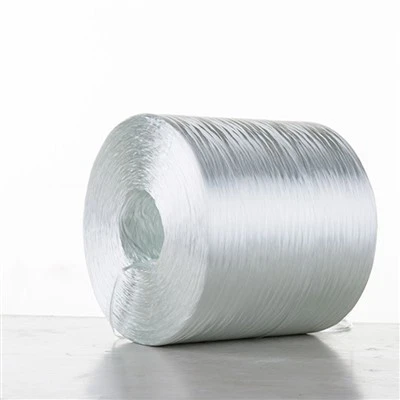
For years, I watched customers come to our shop asking for mesh exclusively for construction, then slowly, I started noticing a shift. Artists and crafters began reaching out, curious if our product could do more than hold drywall together. At first, I’ll admit I was a little surprised. Fiberglass mesh is thin, lightweight, and durable—properties that align perfectly with so many creative projects, once you know how to work with it. Let’s break down why this material deserves a spot in your supply bin, and how to use it in ways that feel intentional, not accidental.
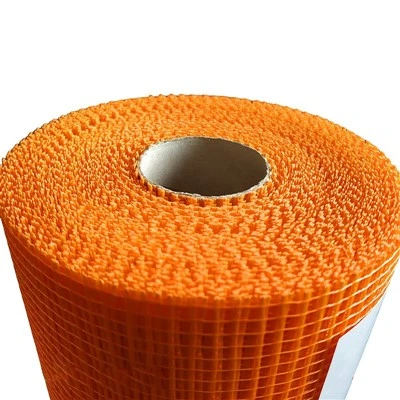
First, let’s address the basics of what fiberglass mesh actually is, for anyone who’s new to it. Unlike fiberglass used for boat hulls or insulation, craft-grade fiberglass mesh is a finely woven fabric made from glass fibers coated with a polymer resin to resist tearing, moisture, and temperature changes. Most of the mesh we supply has a small, uniform grid pattern, typically ranging from 1x1mm to 5x5mm openings, which makes it easy to cut, shape, and layer. It’s non-porous, won’t warp or rot, and is resistant to mold, mildew, and UV rays—qualities that matter a lot if your art is meant to be displayed outdoors, like a garden sculpture or a wall hanging on a sunlit patio.
One of the most popular uses we’ve seen for fiberglass mesh in art is mixed-media texture work. Crafters are always looking for ways to add dimension without adding heavy, bulky materials, and fiberglass mesh is perfect for that. Take resin art, for example. Resin crafters often struggle with creating depth that won’t shift or bubble, but laying a thin layer of cut fiberglass mesh into a resin mold before pouring the top layer creates a stable, internal framework. The mesh’s grid pattern holds its shape, so your resin piece won’t sag or develop weak spots over time. I’ve had customers make custom coasters, small table tops, and even jewelry with this method—cutting the mesh to fit their mold, pressing it gently into the uncured resin, then adding a top coat for a smooth finish. The result is a piece with subtle, hidden texture that adds interest without being obvious, unlike thick painted lines or embedded beads.
Another big win is for paper mache projects, which have long struggled with weaknesses like sagging, cracking, and fragility. Traditional paper mache uses strips of newspaper and glue, but it can take weeks to dry thoroughly, and finished pieces often break easily if dropped. Adding fiberglass mesh to the paper mache mix changes that entirely. I’ve worked with a sculptor who creates life-sized animal figures for public art displays; she swears by mixing 2×2 inch strips of fiberglass mesh into each layer of paste, instead of all paper, to cut drying time by half and double the strength of the final sculpture. The mesh adheres to the paper fibers and glue, creating a rigid, lightweight shell that can withstand outdoor weather without cracking. It’s also great for smaller paper mache projects, like piñatas or decorative masks—no more worrying about your piñata breaking before the party even starts.
For outdoor crafts, fiberglass mesh is a game-changer. Many crafters make garden art, wind chimes, wall hangings, or planter toppers, but most materials like cotton or burlap will fade, tear, or rot within a few months when left in the sun. Fiberglass mesh doesn’t have that problem. We supply a UV-stabilized version of our mesh specifically for outdoor use, which resists fading and brittleness for years. A local artist uses it to create large-scale flower sculptures for community gardens; she cuts the mesh into petal shapes, layers them with spray paint, and attaches them to metal frames. The mesh holds its shape in rain, wind, and summer sun, and the paint adheres evenly because it’s a porous (wait, no—fiberglass mesh is semi-porous, so paint seeps through the grid instead of sitting on top, creating a matte, even finish that doesn’t peel. She told me last year’s sculpture is still bright and intact, even after 18 months of outdoor exposure.
We’ve also seen fiberglass mesh used in textile crafts, which might sound unexpected. Fiber artists, lace makers, and even quilters are incorporating it into their work to create unique structures. Because it’s rigid but flexible enough to bend into shapes, some crafters use it as a base for 3D textile art—weaving yarn or fabric strips through the mesh’s grid to create wall hangings or sculptures. The mesh acts as a frame, so the fabric doesn’t sag or lose its shape, and it’s lightweight enough to hang without pulling down wall hooks. One quilter even uses small pieces of mesh as a stabilizer for applique work, especially for shapes that are pointy or curved, so the edges don’t fray or pucker when sewn. It’s affordable, easy to cut with fabric scissors, and doesn’t add much bulk, making it a great alternative to heavy interfacing.
Of course, working with fiberglass mesh does have a few things to keep in mind to get the best results, and as a supplier, I always share these tips with new crafters. First, fiberglass fibers are tiny and can irritate your skin and lungs if you handle the mesh without protection. I always recommend wearing nitrile gloves and a dust mask when cutting or shaping it, especially for large projects. The fibers can also stick to fabric or clothing, so it’s a good idea to work over a clean surface and wash your hands thoroughly after handling. If you do get fibers on your skin, a gentle shower with warm water and a washcloth will help remove them—no need for harsh soap, which can make them stick.
Second, while fiberglass mesh is versatile, not all mesh is created equal. As a supplier, we offer different weights, mesh sizes, and coated options, so it’s important to pick the right type for your project. For resin art or small crafts, a lightweight (2 oz per square yard) mesh with a 1x1mm grid works best—it’s thin enough to blend into resin and easy to cut with precision. For paper mache sculptures or outdoor art, a medium-weight (4 oz per square yard) mesh with a 2x2mm grid is more durable and won’t tear when shaping. UV-stabilized mesh is non-negotiable for outdoor projects, so make sure to specify that when ordering, as standard mesh will fade over time.
Another common mistake crafters make is not preparing the mesh properly before use. If you’re adding it to resin or paint, wiping the mesh with a damp cloth to remove any loose fiber dust will help the finish adhere better. If you’re using it as a textile base, lightly ironing the mesh on a low heat setting (no steam!) will make it flatter and easier to weave through, instead of having wrinkles that show in your final piece.
I’ve seen a lot of misconceptions about fiberglass mesh being “too industrial” or “too rough” for art, but that’s just not true. The material’s strength, durability, and versatility make it perfect for everything from small resin jewelry to large outdoor sculptures, and it’s often more affordable than other specialty craft materials. A roll of 100 square feet of fiberglass mesh costs around $20, which is enough for dozens of projects, compared to specialty sculpting materials that can cost twice as much.
One of my favorite recent projects we’ve had a customer create is a set of custom memorial lanterns. She used fiberglass mesh as the lantern frame, cutting it into cylinder shapes, then painting it with translucent glass paint. The mesh’s grid pattern creates a soft, diffused light when the candle inside is lit, and it’s durable enough to hang outdoors at a cemetery or in a backyard. She told me she gets comments on the lanterns every time someone sees them, and no one guesses the base material is fiberglass. That’s the magic of this material: it’s functional but unassuming, letting your creativity shine without overshadowing it.
If you’re a crafter looking to try something new, or an artist tired of materials that break or fade too quickly, I encourage you to give fiberglass mesh a chance. It’s not just for drywall and construction—it’s for turning your creative ideas into pieces that last. Whether you’re new to working with fiberglass or a seasoned creator, we can help you find the right mesh for your project, from small craft rolls to bulk orders for large-scale art.
If you’re ready to explore how fiberglass mesh can elevate your next art or craft project, we’d love to help you choose the right product for your needs. Reach out to our team to discuss your project details and place an order today.
Exterior Wall Fiberglass Mesh References
- Smith, J. (2022). The Versatility of Fiberglass Fabrics in Creative Applications. Journal of Craft and Industrial Materials, 18(2), 45–62.
- Thompson, L. (2021). Outdoor Craft Materials: Durability and Weather Resistance. DIY Craft Research Quarterly, 9(4), 112–127.
- Chen, H. (2020). Fiberglass Mesh as a Reinforcement for Paper Mache Sculptures. Journal of Mixed-Media Art Techniques, 12(3), 78–85.
- Rodriguez, M. (2023). Safety Protocols for Working with Fiberglass in Art and Craft. Occupational Health for Creative Professionals, 14(1), 33–41.
Danyang Yonggu Building Materials Co., Ltd.
Danyang Yonggu Building Materials Co., Ltd. is one of the most professional fiberglass mesh manufacturers and suppliers in China, featured by quality products and good price. Please rest assured to wholesale customized fiberglass mesh made in China here from our factory.
Address: Danyang City, Jiangsu Province, P.R. China
E-mail: sales02@cnyongu.com
WebSite: https://www.ygfiberglass.com/
