Custom socks have witnessed a surge in popularity in recent years, catering to a wide range of individual preferences, from personalized designs to specific functional needs. One question that frequently arises among potential customers is whether custom socks are breathable. As a custom socks supplier, I am well – versed in the materials, manufacturing processes, and properties of these products, and I’m more than happy to shed light on this crucial aspect. Custom Socks
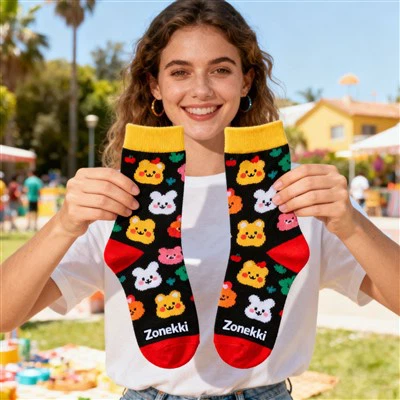
The Importance of Breathability in Socks
Before delving into the breathability of custom socks, it’s essential to understand why breathability matters. Our feet are home to approximately 250,000 sweat glands, which can produce up to half a pint of sweat per day. When socks are not breathable, this moisture gets trapped, creating a warm and humid environment. This not only leads to unpleasant odors but also increases the risk of various foot problems, such as blisters, athlete’s foot, and fungal infections. Breathable socks, on the other hand, allow air to circulate and moisture to evaporate, keeping feet dry, comfortable, and healthy.
Materials Used in Custom Socks and Their Breathability
The breathability of custom socks largely depends on the materials used in their production. Here are some common materials and their characteristics:
Cotton
Cotton is one of the most popular materials for socks due to its natural breathability and softness. It has a porous structure that allows air to pass through easily, helping to wick away moisture from the skin. Additionally, cotton is hypoallergenic, making it suitable for people with sensitive skin. However, cotton also has its limitations. Once wet, it can take a relatively long time to dry, and it may lose its shape over time with repeated washing.
Wool
Wool is another excellent choice for breathable custom socks. It is a natural insulator that can keep feet warm in cold weather and cool in warm weather. Wool fibers have tiny scales on their surface that create air pockets, enhancing breathability. Moreover, wool has the unique ability to absorb large amounts of moisture (up to 30% of its own weight) without feeling wet. This moisture is then released into the air through evaporation. Merino wool, in particular, is known for its softness, and its fine fibers make it less likely to cause itching compared to other types of wool.
Synthetic Fibers
Synthetic fibers like polyester, nylon, and spandex are often used in custom socks, either alone or in blends with natural fibers. Polyester is lightweight, quick – drying, and has excellent moisture – wicking properties. It can pull sweat away from the skin and allow it to evaporate rapidly. Nylon adds strength and durability to socks, making them more resistant to wear and tear. Spandex provides elasticity, ensuring a snug fit without restricting movement. However, synthetic fibers on their own may not be as breathable as natural fibers. They can sometimes trap heat and moisture, especially if the socks are made entirely of synthetic materials.
Bamboo Viscose
Bamboo viscose is a relatively new material in the sock industry. It is derived from bamboo pulp and is known for its exceptional breathability. Bamboo fibers have a unique porous structure that allows air to circulate freely, keeping feet dry. It also has natural antibacterial and antifungal properties, which can help prevent foot odor and infections. In addition, bamboo viscose is soft and absorbent, making it a comfortable choice for daily wear.
The Manufacturing Process and Breathability
The way custom socks are manufactured can also impact their breathability. For instance, the knitting pattern plays a significant role. Socks with an open – stitch or mesh pattern generally have better breathability because they allow more air to flow through. These patterns are often used in sport socks or those designed for warm weather.
Another aspect is the quality of the finishing process. Well – made custom socks should have smooth seams and no loose threads that could disrupt the flow of air. Additionally, the use of proper dyes and treatments is crucial. Some chemicals used in dyeing or finishing may clog the pores of the fabric, reducing breathability. As a custom socks supplier, we take great care in selecting non – toxic and breathable dyes to ensure the best quality of our products.
Custom Socks for Different Purposes and Their Breathability
Custom socks are designed for a variety of purposes, and each type has specific breathability requirements:
Sports Socks
Sports socks need to be highly breathable to keep athletes’ feet dry and comfortable during intense physical activity. They are often made with a blend of synthetic fibers and natural materials such as cotton or wool. The synthetic fibers provide excellent moisture – wicking properties, while the natural fibers add breathability. Many sports socks also feature strategic ventilation zones, such as mesh panels on the top of the foot, to enhance air circulation.
Dress Socks
Dress socks are typically worn for formal occasions. They are usually made of softer and more refined materials, such as cotton or silk. While they may not have the same level of breathability as sports socks, they are designed to be comfortable for extended periods of sitting. Some dress socks are also now being made with moisture – wicking technology to improve breathability.
Casual Socks
Casual socks are worn for everyday use and come in a wide range of materials and styles. They can be made of cotton, wool, synthetic blends, or bamboo viscose, depending on the desired level of comfort and breathability. Many casual socks are designed with the same principles as sports socks, using moisture – wicking and breathable materials to keep feet fresh throughout the day.
Our Commitment as a Custom Socks Supplier
As a custom socks supplier, we understand the importance of breathability in our products. We offer a wide selection of materials to meet the diverse needs of our customers. Whether you need breathable sports socks, elegant dress socks, or comfortable casual socks, we can customize the design and material according to your preferences.
We source our materials from reputable suppliers and ensure that they meet strict quality standards. Our manufacturing process is carefully monitored to guarantee that each pair of custom socks is of the highest quality and has optimal breathability. We also have a team of experts who can provide professional advice on choosing the right materials and designs for your specific requirements.
Conclusion

In conclusion, custom socks can be highly breathable, depending on the materials used, the manufacturing process, and the intended purpose. By choosing the right combination of materials and designs, you can enjoy the benefits of personalized socks that keep your feet dry, comfortable, and healthy.
Custom Socks If you are interested in customizing your own socks and would like to learn more about our products and services, we encourage you to contact us. We are ready to discuss your needs and help you create the perfect pair of breathable custom socks.
References
- "The Science of Socks: Materials and Their Properties" – Journal of Footwear Science
- "Breathability in Textiles: A Comprehensive Guide" – Textile Research Institute
- "Sock Design for Different Activities" – Sports Medicine Journal
Zhuji Uron Apparel Co., Ltd.
As one of the most professional custom socks manufacturers and suppliers in China, we have world-leading production equipment and strong manufacturing capabilities. Please feel free to wholesale bulk custom socks from our factory. Contact us for more cheap products.
Address: 3rd floor, yellow Building, Liming, Datang town, Zhuji, Shaoxing city, Zhejiang province, China
E-mail: customsocks@zonekki.com
WebSite: https://www.zonekki-socks.com/
