In the contemporary era, environmental consciousness has become a driving force behind consumer choices and industrial practices. As a supplier of pipe tees, I often find myself at the crossroads of technological innovation and environmental responsibility. Pipe tees, those unassuming yet crucial components in plumbing and piping systems, play a significant role in various industries. But the question that looms large is: Are pipe tees environmentally friendly? Pipe Tee

Understanding Pipe Tees
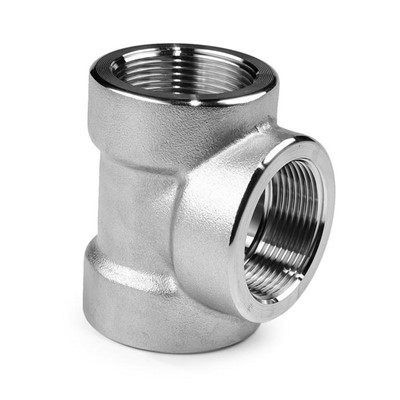
Before delving into the environmental aspects, it’s essential to understand what pipe tees are. A pipe tee is a type of fitting that has a T – shaped structure. It allows the flow of fluid or gas to be diverted at a 90 – degree angle, enabling the branching of a pipeline. Pipe tees are made from a variety of materials, including metals such as steel, copper, and brass, as well as plastics like PVC and PEX.
Material – based Environmental Impact
Metal Pipe Tees
- Steel Pipe Tees: Steel is one of the most commonly used materials for pipe tees. The production of steel, however, has a substantial environmental footprint. The steelmaking process involves high – energy consumption, primarily from coal – based processes. It also generates significant amounts of greenhouse gas emissions, including carbon dioxide. On the positive side, steel is highly durable and has a long service life. This means that once installed, steel pipe tees can last for decades, reducing the need for frequent replacements. Additionally, steel is 100% recyclable. At the end of their useful life, steel pipe tees can be melted down and reused to make new products, which helps to conserve natural resources.
- Copper and Brass Pipe Tees: Copper and brass are known for their excellent corrosion resistance and thermal conductivity. The extraction and refining of copper and brass require a considerable amount of energy. However, these materials have antimicrobial properties, which can be beneficial in applications such as potable water systems, reducing the growth of harmful bacteria. Like steel, copper and brass are also highly recyclable. Recycling these metals requires significantly less energy compared to primary production, making them a more sustainable option in the long run.
Plastic Pipe Tees
- PVC Pipe Tees: Polyvinyl chloride (PVC) is a widely used plastic for pipe tees. PVC is relatively inexpensive to produce and has good chemical resistance. However, the production of PVC involves the use of chlorine, which can be harmful to the environment if not properly managed. The manufacturing process also releases dioxins, which are highly toxic and persistent in the environment. On the other hand, PVC pipe tees are lightweight, which reduces transportation costs and energy consumption during shipping. They also have a long service life and can be recycled, although the recycling process for PVC is more complex compared to metals.
- PEX Pipe Tees: Cross – linked polyethylene (PEX) is another plastic used for pipe tees. PEX is flexible, easy to install, and has excellent resistance to freezing and bursting. The production of PEX requires less energy compared to some other plastics. It is also recyclable, but the recycling infrastructure for PEX is still developing.
Energy Efficiency and Environmental Impact
Pipe tees can also impact energy efficiency in a piping system. A well – designed pipe tee can minimize pressure drops, which in turn reduces the energy required to pump fluids or gases through the system. For example, smooth – walled pipe tees with proper flow – guiding geometries can help to maintain a consistent flow rate, reducing the load on pumps and motors. This not only saves energy but also reduces the overall carbon footprint of the system.
Lifecycle Assessment
To accurately assess the environmental friendliness of pipe tees, a lifecycle assessment (LCA) is necessary. An LCA takes into account the entire life cycle of a product, from raw material extraction and production to use and end – of – life disposal.
- Raw Material Extraction: As mentioned earlier, the extraction of raw materials for pipe tees can have a significant environmental impact. Mining for metals and the production of plastics require large amounts of energy and can cause habitat destruction and water pollution.
- Production: The manufacturing process of pipe tees also consumes energy and generates waste. For example, in the case of metal pipe tees, the casting and machining processes produce scrap metal, which needs to be managed properly.
- Use Phase: During the use phase, the energy efficiency of the pipe tee and the overall piping system is crucial. A well – functioning pipe tee can reduce energy consumption, while a poorly designed one can lead to increased energy use.
- End – of – Life: At the end of their useful life, pipe tees need to be disposed of or recycled. Recycling is the most environmentally friendly option, as it reduces the need for new raw materials and energy – intensive production processes.
Sustainable Practices in Pipe Tee Production
As a pipe tee supplier, I am committed to implementing sustainable practices in our production processes. We are constantly looking for ways to reduce our energy consumption and waste generation. For example, we have invested in energy – efficient equipment and technologies to optimize our manufacturing processes. We also work closely with our suppliers to source raw materials from sustainable sources.
In addition, we are actively involved in promoting the recycling of pipe tees. We encourage our customers to return their used pipe tees to us for recycling, and we ensure that the recycling process is carried out in an environmentally responsible manner.
Conclusion
So, are pipe tees environmentally friendly? The answer is not straightforward. It depends on the material used, the manufacturing process, and the end – of – life management. While some materials have a higher environmental impact during production, they can be highly recyclable and have a long service life, which can offset their initial environmental footprint.
As a pipe tee supplier, I believe that it is our responsibility to provide our customers with products that are not only high – quality but also environmentally friendly. We are committed to continuously improving our products and processes to reduce our environmental impact.
Forged Fittings If you are in the market for pipe tees and are concerned about environmental sustainability, I invite you to contact us. We can provide you with detailed information about the environmental impact of our products and work with you to find the most suitable pipe tees for your needs. Let’s work together to build a more sustainable future.
References
- "Life Cycle Assessment: Principles and Practice" by Michael F. Curran
- "Sustainable Materials: With Both Eyes Open" by Julie R. Zimmerman and John F. Warner
- Industry reports on the production and environmental impact of metals and plastics used in pipe tees.
Hebei Haihao Group Huadian High Pressure Pipe Fittings Co., Ltd.
As one of the most professional pipe tee manufacturers and suppliers in China, we are able to meet the needs of the majority of our customers. Please rest assured to wholesale high quality pipe tee made in China here from our factory. For price consultation, contact us.
Address: Donglin Industrial Zone, Mengcun County, Cangzhou City, Hebei Province, China
E-mail: haihaohuadian@outlook.com
WebSite: https://www.hhfittings.com/
