In the realm of agricultural and industrial operations, sprayers play a pivotal role. As a trusted supplier of sprayer accessories, I’ve witnessed firsthand the various challenges that users face when their sprayer accessories malfunctions. Understanding the common causes of sprayer accessory failure is essential for both users and suppliers like me, as it enables us to implement preventive measures and provide effective solutions. Sprayer Accessories
1. Wear and Tear
One of the most prevalent causes of sprayer accessory failure is simple wear and tear. Over time, the constant flow of liquid through the sprayer, often containing abrasive chemicals or particulate matter, can take a toll on the components. Nozzles, for example, are subject to erosion as the high – pressure liquid passes through them. The small orifices in the nozzles can wear out, leading to changes in spray patterns. A worn – out nozzle may produce a wider or uneven spray, which can result in inefficient application of pesticides or fertilizers.
Hoses are another component that experiences significant wear. The repeated bending and flexing of hoses during use can cause the inner lining to crack or break down. Exposure to sunlight, extreme temperatures, and chemicals can also accelerate the deterioration of hoses. When a hose fails, it can lead to leaks, reduced pressure, and in some cases, complete loss of fluid delivery.
2. Chemical Compatibility Issues
Different chemicals have varying properties, and not all are compatible with every material used in sprayer accessories. For instance, certain solvents or strong acids can corrode metal components such as pumps, valves, and filters. If a chemical with corrosive properties is used in a sprayer that has components made of incompatible metals, the metal may start to rust or degrade over time. This not only weakens the structure of the component but can also contaminate the sprayed solution.
Rubber and plastic parts are also vulnerable to chemical attacks. Some chemicals can cause rubber to swell or become brittle, leading to seals failing and leaks occurring. Plastic components may become discolored, cracked, or lose their structural integrity when exposed to incompatible chemicals. As a supplier, I often find that customers who are unaware of these chemical – compatibility issues end up with damaged accessories.
3. Contamination
Contamination is a major headache for sprayer users. Particulate matter, such as dirt, debris, and sediment, can enter the sprayer system through the intake, during filling, or from the storage container. These particles can clog nozzles, filters, and valves. A clogged nozzle will disrupt the spray pattern, causing uneven distribution of the sprayed liquid. Filters are designed to prevent contaminants from reaching the nozzles and other critical components, but if they become too clogged, the flow of liquid will be restricted, and the pump may have to work harder, leading to premature wear.
Biological contaminants can also be a problem. Algae, fungi, and bacteria can grow in the sprayer tank if the liquid is left stagnant for too long or if the tank is not properly cleaned between uses. These biological growths can block filters and nozzles, and in some cases, they can also react with the sprayed chemicals, altering their effectiveness.
4. Incorrect Installation
Proper installation is crucial for the optimal performance of sprayer accessories. If components are not installed correctly, it can lead to a variety of problems. For example, if a pump is not installed with the correct alignment or if the intake and output connections are loose, it can result in reduced flow rates and pressure issues. Loose connections can also cause leaks, which not only waste chemicals but can also pose a safety hazard.
Nozzles need to be installed in the correct orientation and at the appropriate height to achieve the desired spray pattern. Incorrect nozzle installation can lead to uneven coverage, under – or over – application of chemicals, and in some cases, the nozzles may not spray at all.
5. Over – Pressurization
Excessive pressure is a common cause of sprayer accessory failure. Pumps are designed to operate within a certain pressure range. If the pressure exceeds this range, it can put stress on various components such as hoses, fittings, and valves. Over – pressurization can cause hoses to burst, fittings to come loose, and valves to malfunction.
Some users may increase the pressure in an attempt to achieve a greater reach or a finer spray, but this can have detrimental effects on the sprayer accessories. In addition, pressure regulators may fail over time, leading to uncontrolled pressure increases in the system.
6. Lack of Maintenance
Regular maintenance is essential for the longevity of sprayer accessories. Unfortunately, many users neglect this aspect. Failing to clean the sprayer after each use can allow chemicals and debris to build up inside the system. This buildup can cause corrosion, clogging, and other problems. For example, if a sprayer is used to apply a thick, sticky pesticide and is not properly cleaned, the residue can harden inside the nozzles, hoses, and tank, making it difficult to operate the sprayer in subsequent uses.
Lubrication is also an important part of maintenance, especially for moving parts such as pumps and valves. Without proper lubrication, these parts can experience increased friction, leading to wear and eventual failure.
Solutions and Preventive Measures

As a supplier of sprayer accessories, I’m not only concerned with identifying the causes of failure but also with providing solutions. Here are some preventive measures that can help users avoid these common problems:
- Select High – Quality Accessories: Choose sprayer accessories made from high – quality materials that are resistant to wear, corrosion, and chemical damage. Our company offers a wide range of accessories that are designed to meet the highest standards.
- Follow Chemical Compatibility Guidelines: Always check the chemical compatibility of the accessories with the chemicals you plan to use. We can provide detailed information on chemical compatibility for our products.
- Regular Cleaning and Maintenance: Establish a regular cleaning and maintenance schedule. Clean the sprayer thoroughly after each use, and perform routine maintenance tasks such as lubrication and inspection of components.
- Proper Installation and Use: Ensure that all components are installed correctly according to the manufacturer’s instructions. Operate the sprayer within the recommended pressure and flow rates.
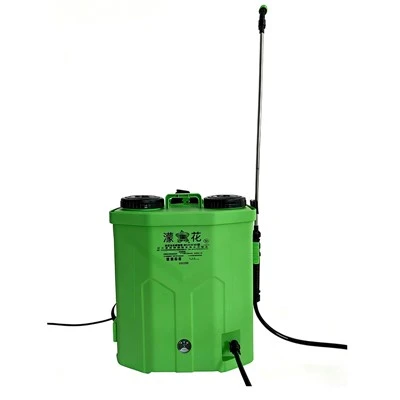
Electric Sprayer If you encounter any problems with your sprayer accessories, don’t hesitate to reach out. We have a team of experts who can provide technical support, troubleshooting advice, and replacement parts. Whether you’re an agricultural professional looking for reliable sprayer accessories for crop spraying or an industrial user in need of a high – performance spray system, we’re here to help. Contact us to discuss your specific requirements and explore our range of sprayer accessories. We’re committed to providing you with the best solutions to keep your sprayer operating at its best.
References
- Smith, J. (2020). Agricultural Sprayer Technology. AgroPublisher, Inc.
- Johnson, A. (2019). Industrial Sprayer Maintenance Guide. Industrial Supplies Press.
Zhejiang Menghua Sprayer Co., Ltd.
As one of the most experienced sprayer accessories manufacturers in China, we have world-leading production equipment and strong manufacturing capabilities. Please feel free to buy advanced sprayer accessories for sale here from our factory. For price consultation, contact us.
Address: No.5, Houshi Road, Beicheng Street, Huangyan District, Taizhou, Zhejiang
E-mail: sales@menghua-sprayer.com
WebSite: https://www.menghua-sprayer.com/
