As a supplier of EN Alloy Steel Plates, I often encounter a common question from customers: Does EN Alloy Steel Plate need to be coated? This is a crucial query that deserves a comprehensive exploration, considering the various applications, environmental factors, and performance requirements associated with these steel plates. EN Alloy Steel Plate
Understanding EN Alloy Steel Plates
EN Alloy Steel Plates are renowned for their exceptional strength, durability, and resistance to wear and tear. These plates are alloyed with elements such as chromium, nickel, molybdenum, and vanadium, which enhance their mechanical properties and make them suitable for a wide range of industrial applications. From construction and manufacturing to automotive and aerospace industries, EN Alloy Steel Plates are highly sought after for their reliability and performance.
The inherent properties of EN Alloy Steel Plates provide a certain level of protection against corrosion and oxidation. However, the extent to which they can withstand environmental factors depends on several variables, including the specific alloy composition, the thickness of the plate, and the operating conditions.
Factors Influencing the Need for Coating
Environmental Conditions
One of the primary factors to consider when determining whether to coat EN Alloy Steel Plates is the environmental conditions in which they will be used. If the plates are exposed to harsh environments, such as coastal areas with high salt content in the air, industrial settings with chemical pollutants, or areas with extreme temperature variations, they are more likely to be susceptible to corrosion. In such cases, coating the steel plates can provide an additional layer of protection and significantly extend their service life.
For instance, in coastal areas, the saltwater in the air can cause rapid corrosion of uncoated steel. A protective coating can act as a barrier, preventing the saltwater from coming into direct contact with the steel surface and thus reducing the risk of corrosion. Similarly, in industrial environments where the air may contain corrosive chemicals, a suitable coating can shield the steel from these harmful substances.
Surface Finish and Aesthetics
In some applications, the surface finish and aesthetics of the steel plates are important considerations. Coating the EN Alloy Steel Plates can enhance their appearance, giving them a smooth, uniform finish. This is particularly important in architectural and decorative applications, where the steel plates are visible to the public.
Moreover, a high-quality coating can also improve the paintability of the steel plates, allowing for better adhesion of subsequent paint layers. This is beneficial when a specific color or finish is required for the final product.
Maintenance and Cost
Another aspect to consider is the maintenance requirements and cost associated with coated and uncoated steel plates. While coating the steel plates initially incurs an additional cost, it can potentially reduce the long-term maintenance costs. Coated steel plates are generally easier to clean and maintain, and they require less frequent repairs and replacements due to corrosion damage.
On the other hand, uncoated steel plates may require more frequent inspections, cleaning, and maintenance to prevent corrosion. In the long run, the cost of maintaining uncoated steel plates may outweigh the initial cost of coating.
Types of Coatings for EN Alloy Steel Plates
There are several types of coatings available for EN Alloy Steel Plates, each with its own advantages and disadvantages. The choice of coating depends on the specific application, environmental conditions, and performance requirements.
Epoxy Coatings
Epoxy coatings are widely used for protecting steel plates due to their excellent adhesion, chemical resistance, and durability. They form a hard, protective film on the steel surface, which can effectively prevent corrosion and damage from chemicals and abrasion. Epoxy coatings are suitable for a variety of applications, including industrial equipment, pipelines, and storage tanks.
Zinc Coatings
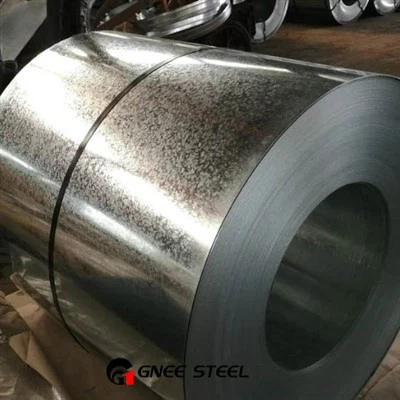
Zinc coatings, such as hot-dip galvanizing and zinc-rich paints, are another popular choice for protecting EN Alloy Steel Plates. Zinc is a sacrificial metal, which means that it corrodes preferentially to the steel, providing cathodic protection. Zinc coatings are particularly effective in preventing corrosion in outdoor environments and can significantly extend the service life of the steel plates.
Polyurethane Coatings
Polyurethane coatings offer excellent weather resistance, UV protection, and abrasion resistance. They provide a high-gloss finish and are suitable for applications where good aesthetics and durability are required, such as architectural structures and automotive components.
Determining the Coating Requirement
The decision to coat EN Alloy Steel Plates should be based on a careful assessment of the specific application, environmental conditions, and performance requirements. In some cases, coating may be unnecessary, especially if the steel plates are used in a controlled environment with low corrosion risk. However, in most real-world applications, coating the steel plates is recommended to ensure their long-term performance and durability.
As a supplier, I work closely with my customers to understand their needs and provide them with the best solutions. I offer a range of coating options for EN Alloy Steel Plates, and I can help customers choose the most suitable coating based on their specific requirements.
Conclusion

In conclusion, the question of whether EN Alloy Steel Plates need to be coated does not have a straightforward answer. It depends on a variety of factors, including environmental conditions, surface finish requirements, maintenance considerations, and cost. While EN Alloy Steel Plates have inherent corrosion resistance, coating them can provide an additional layer of protection and enhance their performance in harsh environments.
Pad Mounted Transformer If you are considering purchasing EN Alloy Steel Plates for your project, I encourage you to contact me to discuss your coating requirements. I have extensive experience in supplying high-quality EN Alloy Steel Plates and can provide you with professional advice and solutions tailored to your specific needs. Whether you need coated or uncoated steel plates, I am committed to delivering products that meet your expectations and exceed your requirements.
References
- ASM Handbook Volume 13A: Corrosion: Fundamentals, Testing, and Protection. ASM International.
- Steel Construction Manual. American Institute of Steel Construction.
- ISO 12944 – Paints and varnishes – Corrosion protection of steel structures by protective paint systems.
Gnee Steel (Tianjin) Co., Ltd.
Gnee Steel (Tianjin) Co., Ltd. is one of the most professional en alloy steel plate manufacturers and suppliers in China, specialized in providing high quality products and service. We warmly welcome you to wholesale en alloy steel plate at competitive price from our factory. Contact us for customized service.
Address: No.4-1114, Beichen Building, Beicang Town, Beichen District, Tianjin, China
E-mail: info@gneesteels.com
WebSite: https://www.chinasteelplates.com/
