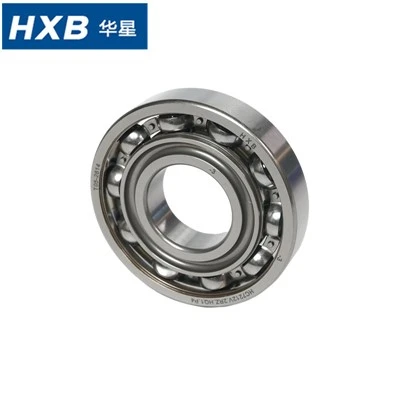
Maintaining household appliances is crucial for their longevity and efficient performance. One of the key components in many appliances, from washing machines to fans, is the bearing. As a trusted household appliances bearings supplier, I understand the significance of proper maintenance and the tools required to keep these bearings in top – notch condition. In this blog post, I’ll delve into the essential maintenance tools for household appliances bearings. Household Appliances Bearings
Cleaning Tools
Cleaning is the first and most basic step in bearing maintenance. Dirt, dust, and debris can accumulate on the bearings over time, causing increased friction, wear, and tear.
Compressed Air Duster
A compressed air duster is an indispensable tool for the initial cleaning of bearings. It allows you to blow away loose dirt and debris without the need for direct contact. When using a compressed air duster, hold it at a safe distance from the bearing to avoid damaging the delicate parts. For example, in a small kitchen appliance like a blender, the bearing can easily collect food particles. A quick blast of compressed air can dislodge these particles, preventing them from causing long – term damage.
Cleaning Brushes
Soft – bristled cleaning brushes are ideal for removing stubborn dirt and grime from the bearing surfaces. There are different types of brushes available, such as nylon brushes and brass brushes. Nylon brushes are suitable for most general cleaning tasks as they are gentle and won’t scratch the bearing. Brass brushes, on the other hand, can be used for more heavy – duty cleaning, but care must be taken not to use them on softer bearing materials. You can use a brush to clean the bearing cage and the raceway, ensuring that all nooks and crannies are free from dirt.
Solvent Spray
For a more thorough clean, a solvent spray can be used. Solvent sprays are designed to dissolve grease and oil buildup on the bearings. When using a solvent spray, make sure to do it in a well – ventilated area. After spraying the solvent on the bearing, allow it to soak for a few minutes, and then use a cleaning brush or a cloth to wipe away the dissolved dirt. However, be careful to choose a solvent that is compatible with the bearing material. Some solvents may damage certain types of plastic or rubber components in the bearing assembly.
Lubrication Tools
Proper lubrication is essential for reducing friction and wear in bearings. Insufficient lubrication can lead to overheating, premature failure, and increased energy consumption.
Grease Gun
A grease gun is a common tool used for applying grease to bearings. It allows for precise control over the amount of grease being applied. When using a grease gun, first select the appropriate type of grease for the bearing. Different bearings may require different greases based on factors such as temperature, load, and speed. For example, high – speed bearings in a power drill may require a grease with good high – speed performance. Connect the grease gun to the bearing’s grease fitting and apply the grease slowly until it starts to emerge from the bearing seals.
Oil Applicator
In some cases, especially for smaller bearings or bearings that require oil lubrication, an oil applicator is needed. An oil applicator can be a simple dropper or a more sophisticated oiler. The key is to apply the correct amount of oil to the bearing. Over – oiling can cause the oil to leak, which may attract dirt and debris, while under – oiling can lead to insufficient lubrication. For instance, in a small electric fan bearing, a few drops of oil applied regularly can keep the bearing running smoothly.
Inspection Tools
Regular inspection of bearings is necessary to detect early signs of wear, damage, or misalignment.
Magnifying Glass
A magnifying glass can be used to closely examine the bearing surfaces for any signs of pitting, scoring, or cracks. These small defects may not be visible to the naked eye but can lead to significant problems if left undetected. By using a magnifying glass, you can identify these issues early and take appropriate action, such as replacing the bearing or adjusting its alignment.
Vibration Analyzer
A vibration analyzer is a more advanced inspection tool. It can detect abnormal vibrations in the bearing, which may indicate problems such as misalignment, unbalance, or internal damage. By analyzing the vibration patterns, you can diagnose the root cause of the problem and make the necessary repairs or adjustments. Vibration analyzers are particularly useful for larger household appliances like washing machines, where bearing problems can cause excessive noise and vibration during operation.
Temperature Gun
A temperature gun can be used to measure the temperature of the bearing during operation. An increase in bearing temperature is often a sign of problems such as excessive friction, insufficient lubrication, or misalignment. By regularly monitoring the bearing temperature, you can detect potential issues before they cause irreversible damage. For example, if the temperature of a dryer bearing suddenly rises, it could indicate a problem that needs to be addressed immediately.
Installation and Removal Tools
At times, you may need to install or remove bearings from household appliances. Having the right tools is essential for this process to ensure that the bearings are installed correctly and without damage.
Bearing Puller
A bearing puller is used to remove bearings from shafts or housings. There are different types of bearing pullers, such as two – jaw pullers and three – jaw pullers. When using a bearing puller, make sure to select the appropriate size and type for the bearing. Attach the puller to the bearing and use a wrench or a hydraulic press to apply force gradually until the bearing is removed.
Bearing Installer
A bearing installer is used to install bearings onto shafts or into housings. It ensures that the bearing is installed evenly and at the correct depth. There are various types of bearing installers available, including manual and hydraulic ones. When using a bearing installer, place the bearing in the correct position and use the installer to apply pressure evenly until the bearing is fully seated.
As a household appliances bearings supplier, I am committed to providing high – quality bearings and the necessary knowledge to maintain them. Whether you are a DIY enthusiast or a professional appliance repair person, having the right maintenance tools for household appliances bearings is essential. By regularly cleaning, lubricating, inspecting, and correctly installing and removing bearings, you can extend the lifespan of your household appliances and ensure their optimal performance.
If you are in need of high – quality household appliances bearings or have any questions about bearing maintenance, I encourage you to reach out for a procurement discussion. We are here to assist you with all your bearing needs and provide you with the best solutions for your household appliances.
Vacuum Pump Bearings References
- "Bearing Handbook" by SKF
- "Maintenance and Lubrication of Industrial Bearings" by Timken
- "Appliance Repair Manuals" from various manufacturers
Hangzhou Huaxing Kechuang Holding Group Co., Ltd.
Hangzhou Huaxing Kechuang Holding Group Co., Ltd. is one of the leading manufacturers and suppliers of household appliances bearings in China, featured by quality products and good service. Please rest assured to buy bulk durable household appliances bearings from our factory. Welcome to view our website for more information.
Address: No.553 Yingbin Road, Linping, Hangzhou, 311100, China
E-mail: wmb@huaxingbearing.com
WebSite: https://www.hxbbearing.com/
