When it comes to heavy – duty construction and landscaping tasks, a slip loader is an indispensable piece of equipment. As a slip loader supplier, I’ve seen firsthand how these versatile machines can transform a project. However, like any complex machinery, slip loaders can encounter issues from time to time. In this blog post, I’ll share some practical tips on how to troubleshoot a slip loader. Slip Loader
Understanding the Basics
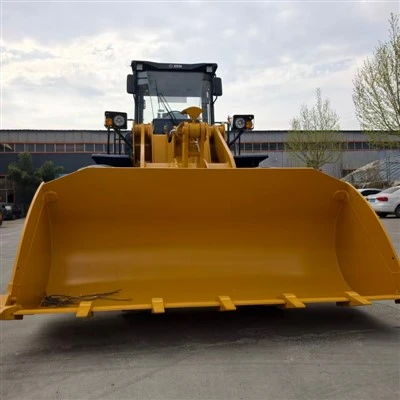
Before we delve into troubleshooting, it’s essential to have a basic understanding of a slip loader’s main components. The slip loader typically consists of an engine, hydraulic system, drive system, control system, and attachment interface. A malfunction in any of these areas can lead to performance issues.
1. Engine Problems
Starting Issues
One of the most common complaints I hear from customers is that their slip loader won’t start. This could be due to several factors.
- Battery Issues: Check the battery terminals for corrosion. If there is a build – up, clean it with a wire brush and a mixture of baking soda and water. Also, test the battery voltage using a multimeter. A fully charged battery should read around 12.6 volts. If the voltage is low, recharge or replace the battery.
- Fuel Supply: Ensure that there is enough fuel in the tank. A clogged fuel filter can also prevent the engine from starting. Replace the fuel filter at regular intervals as recommended by the manufacturer. Check for any fuel leaks in the lines, as this can also disrupt the fuel supply.
- Spark Plug or Glow Plug: In gasoline – powered slip loaders, a faulty spark plug can cause starting problems. Remove the spark plug and check for signs of wear or damage. Replace it if necessary. For diesel – powered models, check the glow plugs, especially in cold weather. Glow plugs pre – heat the combustion chamber, and a malfunction can lead to difficulty starting.
Inconsistent Engine Performance
If the engine is running rough or losing power, here are some possible causes.
- Air Filter: A dirty air filter restricts the airflow to the engine, leading to poor performance. Inspect the air filter regularly and replace it when it’s dirty.
- Fuel Injectors: In diesel engines, clogged or malfunctioning fuel injectors can cause uneven fuel distribution. This can result in rough idling, loss of power, and increased fuel consumption. Have the fuel injectors cleaned or replaced by a professional.
- Exhaust System: A blocked exhaust system can also affect engine performance. Check for any obstructions in the exhaust pipe, such as debris or a damaged muffler.
2. Hydraulic System Troubleshooting
The hydraulic system is crucial for operating the lift arms, bucket, and other attachments on a slip loader.
Low Hydraulic Pressure
- Hydraulic Fluid Level: Check the hydraulic fluid reservoir. Low fluid level can cause a drop in pressure. If the fluid is low, add the recommended hydraulic fluid as specified in the operator’s manual. Make sure to use the correct type of fluid to avoid damage to the system.
- Hydraulic Filter: A clogged hydraulic filter can restrict the flow of fluid, leading to low pressure. Replace the hydraulic filter at the recommended intervals.
- Hydraulic Pump: If the fluid level and filter are okay, the problem might lie with the hydraulic pump. A worn – out or damaged pump can’t generate enough pressure. Listen for any unusual noises coming from the pump, such as whining or grinding. If you suspect a pump issue, it’s best to consult a professional technician.
Leaking Hydraulic Fluid
- Inspect Hoses and Fittings: Check all the hydraulic hoses and fittings for signs of leaks. Look for wet spots, drips, or puddles of hydraulic fluid around the machine. Tighten any loose fittings, but if a hose is damaged, replace it immediately.
- Seals: Worn – out seals in the hydraulic cylinders or valves can also cause leaks. Replace the seals as soon as you notice a leak to prevent further damage to the system.
3. Drive System Problems
Lack of Movement
- Drive Chains or Belts: In some slip loaders, drive chains or belts transfer power from the engine to the wheels or tracks. Check the tension of the chains or belts. If they are loose, adjust them according to the manufacturer’s specifications. Also, inspect them for signs of wear or damage, such as cracks or missing teeth, and replace them if necessary.
- Transmission: A malfunctioning transmission can prevent the slip loader from moving. Check the transmission fluid level and condition. Low fluid or dirty fluid can cause shifting problems or a complete loss of drive. If you suspect a transmission issue, it’s a complex problem that usually requires professional diagnosis and repair.
Uneven Movement
If the slip loader is moving unevenly, it could be due to uneven tire pressure (for wheeled models) or uneven track tension (for tracked models).
- Tire Pressure: Check the tire pressure on all wheels and adjust them to the recommended level. Uneven tire pressure can cause the machine to pull to one side.
- Track Tension: For tracked slip loaders, improper track tension can lead to uneven movement. Use a tension gauge to check the track tension and adjust it as needed.
4. Control System Troubleshooting
The control system allows the operator to maneuver the slip loader and operate its attachments.
Unresponsive Controls
- Electrical Connections: Check all the electrical connections in the control system. Loose or corroded connections can cause the controls to be unresponsive. Make sure all the connectors are clean and tightly secured.
- Control Levers and Switches: Inspect the control levers and switches for damage or wear. If a lever or switch is not functioning properly, it may need to be repaired or replaced.
Erratic Control Movements
- Controller or Sensor Problems: In modern slip loaders, electronic controllers and sensors play a vital role in the control system. A faulty controller or sensor can cause erratic control movements. Diagnostic tools are usually required to identify and troubleshoot these issues. In such cases, it’s advisable to contact the manufacturer’s technical support or a qualified technician.
5. Attachment Interface Issues
The ability to use different attachments is one of the key features of a slip loader. But problems can occur at the attachment interface.
Attachment Not Connecting Properly
- Inspect the Interface: Check the attachment interface on both the slip loader and the attachment for any damage or debris. Clean the interface thoroughly to ensure a proper connection.
- Locking Mechanisms: Make sure the locking mechanisms on the attachment interface are working correctly. If they are loose or damaged, they may not hold the attachment securely.
Attachment Not Functioning Correctly
- Hydraulic Connections: If the attachment is hydraulically operated, check the hydraulic connections between the slip loader and the attachment. Make sure they are properly connected and there are no leaks.
- Function Testing: Perform a function test on the attachment while it’s connected to the slip loader. If it still doesn’t work, there may be an issue with the attachment itself, and it may need to be inspected or repaired.
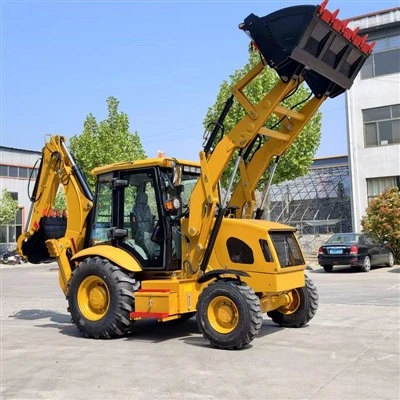
In conclusion, troubleshooting a slip loader can be a challenging but rewarding task. By following these steps, you can often identify and resolve common problems on your own. However, if you’re ever unsure or if the problem persists, don’t hesitate to seek professional help.
Loader As a slip loader supplier, I’m committed to providing high – quality machines and excellent after – sales service. Our slip loaders are designed to withstand the rigors of the toughest jobs, and we offer a wide range of attachments to meet your specific needs. If you’re in the market for a new slip loader or need to discuss any issues with your existing machine, I encourage you to reach out to us for a detailed discussion about procurement and how we can support your business.
References
- Slip Loader Operator’s Manuals (Manufacturer – specific)
- Service and Repair Guides for Heavy Equipment
Shandong Feisite Machinery Co., Ltd.
As one of the most professional slip loader manufacturers and suppliers in China, we’re featured by quality products and good service. Please rest assured to buy cheap slip loader made in China here and get quotation from our factory. Customized orders are welcome.
Address: 100 meters south of Zengfusi Village, Mihe Town, Qingzhou City, Shandong Province
E-mail: Wpeng19911103@qq.com
WebSite: https://www.shandongfeisite.com/
