If you’ve ever worked in industries like oil & gas, chemical processing, or water treatment, you know pipeline reliability is non-negotiable. A single valve failure can shut down an entire operation, cost you thousands in downtime, and even pose safety risks. As a plug valve supplier, I get asked this question all the time: “How do plug valves actually hold up in different pipeline layouts?” The short answer? It depends on how the layout is set up—like if it’s a straight run, a T-junction, or a dead-ended line—and what you’re pumping through it. Let’s break this down like we’re chatting over coffee, no stuffy engineering jargon (mostly). Plug Valves

First, let’s recap what a basic plug valve is, just in case you’re new here. It’s got a tapered or cylindrical plug inside the body, right? You twist that plug a quarter turn (super fast, by the way) to open or close the line, and that’s it. No floating discs, no messy packing glands like some gate valves, and they’re way more resistant to clogging than ball valves if you’re dealing with gunkier fluids. But their performance shifts hard based on where you put them in a pipeline layout. Let’s start with the most common setup: straight, in-line pipeline runs, like those long stretches that carry crude oil from a well to a refinery, or clean water from a treatment plant to a neighborhood.
In straight pipelines, plug valves are basically unbeatable for most applications. Why? Because straight runs put minimal side load on the valve body, unlike layouts with lots of bends or junctions. I’ve seen clients use our plug valves in 20-mile crude lines, and they still run strong after 5+ years with minimal maintenance. The quarter-turn operation is perfect here too—when you need to shut off flow fast if there’s a leak or a maintenance issue, you don’t have to fumble with a gate valve that takes 10 turns to close. There’s a catch, though: if the straight line carries solids-laden fluid (like drilling mud), you’ll want a lubricated plug valve instead of an non-lubricated one. The lubricant fills the gaps between the plug and body, preventing grit from getting stuck and seizing the plug. I had a client a couple of years back who switched to lubricated plugs in their straight drilling lines and cut their valve failure rate by 70%—game changer for them.
Next up, T-junctions. These are the parts of the pipeline where flow splits or joins—like a main line feeding two separate processing units, or two lines merging into one. This is where plug valves show some of their biggest pros and cons, and it’s the setup I get the most questions about. Let’s say you’ve got a T-junction in a natural gas line, and you need to isolate one branch for maintenance while keeping the other running. A plug valve works great here—because the quarter-turn seal is tight, so you can shut off that branch completely without disrupting flow on the main line. Wait, but what if you’re diverting flow regularly? Like, if the T-junction is a switch between two different product lines (say, switching from diesel to gasoline in a fuel pipeline)? Non-lubricated plug valves can handle that moderate cycling, but if you’re switching every day, you’ll want to go with a resilient-seated plug valve. The resilient seat is softer, so it doesn’t wear out as fast as metal-on-metal plugs from constant twisting. The downside with T-junctions? If there’s residual fluid in the dead leg of the T, that gunk can sit right next to the plug and cause it to stick. I always advise clients to add a small drain valve to that dead leg—takes 5 minutes to install, and saves you from having to yank a seized plug valve out at 2 a.m. for an emergency repair.
Then there’s the layout I warn every client about: dead-ended pipelines. These are segments that don’t go anywhere—like a branch line that ends at a storage tank, or a test line that’s only used periodically. Dead ends are trouble because fluid sits there, doesn’t circulate, and can build up pressure, solidify, or corrode the valve. Plug valves in dead ends work, but you have to choose the right type. Non-lubricated plugs don’t do well here—stagnant fluid can eat away at the metal plug, making it impossible to turn even when you apply a pneumatic actuator. I had a chemical plant client who put non-lubricated plugs in their dead-ended acid test lines; after a year, the plugs were so corroded they couldn’t open them without a sledgehammer. Swapping them for lubricated, corrosion-resistant ( Hastelloy or 316 stainless steel) plugs fixed that instantly. Another tip for dead ends: open the plug valve once every 3 months to circulate a little fresh fluid through the dead leg—prevents buildup and keeps the plug moving.
What about more complex layouts? Like looped pipelines, which are common in water distribution systems or chemical plants where you need backup flow if one line fails. Loops mean you have valves at both ends of the loop, so you can isolate a section without shutting down the whole system. Plug valves are perfect here because of their tight shutoff—no leakage when you switch over to the backup line. I’ve got a municipal water client in the Midwest who uses our lubricated plug valves in their looped distribution lines, and they say it cuts their unplanned shutdown time by 80%. The only thing to watch for in loops is pressure differential. If you’re switching between lines with big pressure differences (like 100 psi difference across the plug), you need a bypass valve to equalize pressure before turning the plug. If you don’t, you’ll snap the plug stem or strip the actuator—trust me, I’ve seen that happen too many times to count.
Now, let’s talk about fluids, because that’s a huge factor that ties into layout performance. If your pipeline layout has abrasive fluids (drilling mud, sand-laden water) or high-temperature fluids (thermal oil, hot asphalt), plug valves perform better in some layouts than others. For abrasive stuff, straight runs or T-junctions with easy access to drains work best—dead ends are a no-go. For high temps, lubricated metal-seated plug valves hold up way better than resilient-seated ones, because the rubber seat would melt at 500°F or higher. I recently supplied a set of metal-seated plugs for a 800°F hot asphalt pipeline in Texas; they’ve been running for 18 months without a single leak, which is unheard of with other valve types.
Wait, let’s also address a common myth I hear all the time: plug valves don’t perform well in layouts with frequent on/off cycling. That’s only true if you pick the wrong valve. Non-lubricated metal plugs might wear out after a few thousand cycles, but resilient-seated or lubricated plug valves can handle 100,000+ cycles no problem. I have clients who use plug valves in batch processing lines—those layouts are all about frequent on/off switching—and they’re still going strong after 7 years. The key is matching the plug valve type to the layout’s cycling frequency, not just slapping any old plug valve in there.
Let me throw in a real example to make this concrete. Last year, I worked with a midstream oil company that was having constant issues with their pipeline network. They had a mix of straight runs, T-junctions, and dead ends for condensate transport, and they were using gate valves everywhere. The gate valves would seize in T-junctions, leak in dead ends, and take forever to close during emergencies. We re-plumbed their critical sections with our lubricated plug valves: straight runs got standard lubricated plugs, T-junctions got ones with drain ports on the dead legs, dead ends got corrosion-resistant lubricated plugs with quarterly cycle reminders. The result? Their valve-related downtime dropped by 65%, and they saved over $120,000 in emergency repair costs in the first 12 months. That’s not just sales talk—that’s actual numbers from a real client.
Now, what should you take away from all this? Plug valves aren’t one-size-fits-all, but they’re way more versatile than most people give them credit for. The biggest factors that impact their performance in different layouts are: 1) layout type (straight, T-junction, dead end, loop), 2) fluid properties (abrasive, corrosive, high temp), 3) cycling frequency, and 4) pressure differentials. If you match those to the right plug valve variant, you’ll get a valve that’s reliable, low-maintenance, and way cheaper than ball or gate valves over the long run.
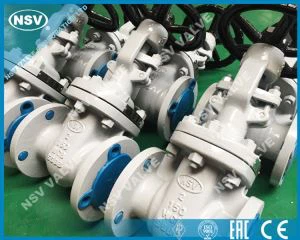
If you’re dealing with a pipeline layout that’s giving you valve headaches—seized plugs, leaks, frequent failures—hit us up for a no-obligation consultation. We can walk through your specific layout, the fluids you’re transporting, and your operational needs, and help you pick the right plug valves that will hold up for years, no surprises. No hard sell, just straight talk from a plug valve supplier who’s seen every pipeline layout under the sun.
Butterfly Valves References
- American Water Works Association. (2021). Valve Selection and Installation Guidelines for Water Distribution Systems. AWWA Manual M11.
- Energy Institute. (2022). Valve Performance in Oil & Gas Pipeline Layouts. EI Technical Report 007-22.
- Hydraulic Institute. (2020). Selection and Sizing of Valves for Industrial Pipeline Applications. HI Standards Publication 2.6.
- Smith, R. (2019). Quarter-Turn Valves for High-Cycling Process Applications. Journal of Pipeline Engineering, Vol. 18, Issue 3, pp. 245-258.
NSV Valve Corporation
NSV Valve Corporation is one of the most professional plug valves manufacturers and suppliers in China, featured by quality products and good service. Please rest assured to buy plug valves made in China here from our factory.
Address: Puyi Road,Sanqiao Industrial Zone, Oubei Street, Yongjia County,Zhejiang,China
E-mail: info@nsvvalve.com
WebSite: https://www.nsvvalves.com/
