If you’ve ever worked with compressor systems—whether in manufacturing, HVAC, automotive repair, or even the small air tools you use around a workshop—you’ve probably heard the term “check valve” thrown around. Most people know it’s a part that stops backflow, but until I started working as a check valve supplier, I didn’t realize how integral that small, unassuming component is to keeping compressors running smoothly, efficiently, and safely. Over the past eight years talking to maintenance techs, plant managers, and small business owners who rely on compressed air every day, I’ve seen firsthand how a misconfigured or worn check valve can shut down a production line, spike energy bills, or even cause dangerous pressure spikes. Today, I want to pull back the curtain on how these valves work specifically in compressor systems, share the common mistakes I see folks make, and why getting the right check valve makes all the difference for your operations. Check Valve

First, let’s ground this in what a compressor system actually does, because a check valve’s job is tailored directly to that function. A compressor’s core task is to take ambient air (or another gas, depending on the system) and compress it to a much higher pressure, then store that pressurized air in a receiver tank for later use. The system is a loop: when the compressor cycles on, it pulls low-pressure air in, compresses it, and pushes it out into the system. When it cycles off, it needs that pressurized air in the tank to stay where it is—not flow backward through the compressor. That’s the check valve’s primary job in a compressor: it’s a one-way gate, and it has to open and close with perfect timing to match the compressor’s cycles, no exceptions.
Let’s break down the basic mechanical anatomy of a check valve, because while there are different designs, they all rely on a simple moving part that reacts to pressure. Most check valves used in compressors fall into two main categories: swing check valves and spring-loaded check valves. I’ll focus on those because they’re the ones I supply most often, and they’re the ones that actually perform in real-world compressor environments.
A swing check valve, as the name suggests, has a round, disc-like “swing” element attached to a hinge at the top of the valve body. When the compressor is running, the high-pressure air flowing forward (from the compressor discharge side toward the receiver tank) pushes that disc open, swinging it up and out of the way so air can pass through freely. The moment the compressor cycles off, the forward flow drops, and the back pressure from the pressurized tank pushes that disc back down against the valve seat, creating a tight seal to stop any air from flowing backward. It’s a simple, elegant design, but it’s not perfect for all compressor setups. The swing disc relies on gravity and pressure differential to work, which means it can sometimes “slam” shut if flow reverses suddenly—something that’s common in reciprocating compressors, which generate pulsing, intermittent flow. That slamming causes wear on the disc and seat over time, leading to leaks and efficiency loss.
That’s where spring-loaded check valves come in, and these are the workhorses for most modern compressor systems, especially rotary screw and reciprocating models. Instead of a swinging disc, this design has a poppet (a small, plunger-like part with a soft or hard seal) held in place by a calibrated spring. The spring’s job is to hold the poppet closed until the forward air pressure from the compressor is strong enough to overcome the spring’s tension. When the compressor is active, pressure builds at the inlet of the check valve, pushes the poppet up against the spring, and air flows through. When the compressor cycles off, that forward pressure drops immediately, and the spring pushes the poppet back down onto the valve seat, creating a positive seal. The spring eliminates the slamming issue because it closes gently, even if flow reverses quickly. That’s a huge advantage for compressors that cycle on and off frequently, which is most residential and small commercial models, as well as many industrial setups.
Now, let’s get specific to how this plays out inside a complete compressor system, because there’s a lot more to the check valve’s role than just stopping backflow. Let’s walk through a typical day in the life of a check valve in a 50-horsepower rotary screw compressor, which is common in auto body shops, small manufacturing, and packaging facilities. When the compressor starts up, it first pulls air into its intake filter, then compresses it to around 125 PSI (the standard for most industrial applications). That compressed air exits the compressor’s discharge port, travels through a short length of pipe, and hits the inlet of the check valve. At that point, the pressure here is low—just enough to crack the spring in the check valve open, usually around 2 to 5 PSI. As the compressor keeps running, air flows steadily through the open check valve and into the receiver tank, building pressure until the tank hits its set point (say, 150 PSI). When the tank reaches that pressure, the compressor’s pressure switch signals it to unload—meaning it stops compressing air, but keeps the motor running to avoid frequent starts. The second that unload happens, the forward flow of air through the check valve drops to zero. Now, the receiver tank is at 150 PSI, so that higher pressure tries to push air backward toward the compressor. The check valve’s spring is calibrated to close at exactly that moment, creating a seal so tight that not even a tiny bubble of air can leak backward. If that seal was imperfect, the tank would lose pressure over time, forcing the compressor to cycle on more frequently than it needs to—wasting energy and shortening the compressor’s lifespan.
I’ve seen this exact scenario go wrong hundreds of times. A few years back, I worked with a custom cabinet shop that was spending 30% more on their monthly electric bill than their supplier’s benchmark. They had a 20-horsepower reciprocating compressor that ran 12 hours a day, 6 days a week. Their maintenance tech had replaced the check valve six months prior with a cheap, off-brand swing check valve he picked up at a hardware store. The problem? Reciprocating compressors produce high-pulsed flow, and the swing check valve’s disc was slamming shut every time the compressor’s piston completed a compression stroke. Over six months, the disc wore down the valve seat enough that there was a small leak when the compressor unloaded. Every night, when the compressor cycled off, half the pressure in the 80-gallon receiver tank leaked back through the valve and into the compressor’s crankcase. That meant when the compressor started up the next morning, it had to work extra hard to recompress all that lost air. When they replaced that cheap swing valve with a spring-loaded check valve sized specifically for their reciprocating compressor, their energy use dropped by nearly 28% within a month. That’s the kind of difference getting the right check valve, from the right supplier, makes.
Another common misconception I hear is that check valves are all the same—just buy one that fits the pipe size and you’re good to go. That’s miles from the truth, and it’s a mistake that leads to most of the problems I help customers solve. Let’s talk about the key specs that matter for compressor applications, because I’ve learned to walk customers through these step by step, instead of just sending them a valve that fits. First, pressure rating. Compressor check valves have to handle two different pressure scenarios: the maximum discharge pressure of the compressor (which can be 100 to 200 PSI for most systems, and even higher for industrial models) and the back pressure from the receiver tank, which is usually 10 to 20 PSI below the set pressure. The valve’s pressure rating has to exceed both, because a valve rated for 150 PSI will fail in a system that runs at 175 PSI, and vice versa. Next, orifice size and flow rate. If a check valve has an orifice too small for the compressor’s flow capacity, it will cause pressure drop, which means the compressor has to work harder to push air through, again wasting energy. For a 50-horsepower rotary screw compressor, for example, you need a check valve with a 2-inch orifice, not a 1.5-inch, even if 1.5-inch pipe is the standard for the line. Then there’s the seal material. This is a big one for long-term durability. For clean, dry compressed air, a Buna-N (nitrile) seal works fine, but if your compressor handles moisture, oil, or other contaminants, you need a Viton or EPDM seal that resists swelling and degradation. I once had a food and beverage plant call me in because their check valves were failing every three months, causing shutdowns on their bottling line. It turned out their old valve had a standard Buna seal that was breaking down from the sanitizing chemicals they used in their compressed air system. Swapping to a Viton seal cut replacement frequency to once every two years, and eliminated unplanned downtime.
Beyond specs, there are also installation best practices that make a huge difference for a check valve’s performance, and I can’t tell you how many times I’ve had a customer call complaining of a leaking valve that was installed backward. It sounds silly, but it’s one of the most common mistakes. Every check valve has an arrow stamped on the body indicating the direction of flow—make sure that arrow points toward the receiver tank, not the compressor. If it’s reversed, the valve will open backward, can’t build enough pressure to seal, and will allow constant backflow. Another common mistake is installing the check valve too far from the compressor. For reciprocating compressors, which generate that pulsing flow, the valve should be installed as close to the discharge port as possible, usually within 12 inches, to minimize pressure drop and the wear from flow pulses. For rotary screw compressors, a distance of up to 3 feet is fine, but any further and you risk pressure loss in the line leading to the valve. Also, check valves should never be installed directly in a horizontal line without a drain, because moisture and oil can collect in the valve body and cause the poppet or disc to stick open, eliminating the one-way function entirely. I always advise customers to install a drain valve at the lowest point of the check valve body to flush out condensate regularly.
Now, let’s talk about when a check valve is actually failing, because catching issues early can save you a lot of money in repairs and downtime. The most common signs are obvious: pressure drops in the receiver tank, the compressor cycles on more frequently than normal, unusual noise (like a slamming or rattling sound coming from the check valve), or visible leaks at the valve’s seat or pipe connections. But some failures are subtle. A small leak that only appears when the compressor is unloaded won’t cause a big pressure drop, but it’s still wasting energy over time. That’s why I always recommend doing a monthly check: turn off the compressor, let the tank build to full pressure, then turn off the compressor and disconnect the power. Watch the pressure gauge on the receiver tank—if it drops more than 2 PSI in 10 minutes, you have a check valve leak that needs to be addressed. For small systems, this takes five minutes, and it can catch problems before they lead to major issues.
At the end of the day, the check valve is one of the most overlooked parts in a compressor system, but it’s also one of the most critical. It’s the gatekeeper that keeps your stored pressurized air where it belongs, protects your compressor from damage, and keeps your energy bills low. After eight years working as a check valve supplier, I’ve learned that the best valves aren’t the cheapest ones off the shelf—they’re the ones sized, designed, and sealed for your specific compressor’s make and model, with installation best practices followed by a team that knows what they’re doing. If you’re dealing with frequent check valve failures, high energy bills from backflow, or unplanned downtime because your compressor won’t hold pressure, I’m here to help. I don’t do one-size-fits-all solutions; I work directly with shop managers, maintenance techs, and plant engineers to walk through your system, assess your needs, and supply a check valve that will keep your compressor running efficiently for years.
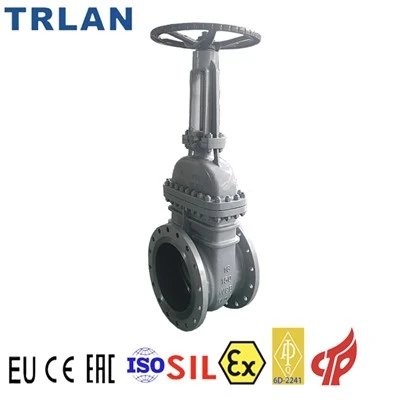
If you’re tired of wasting money on cheap, mismatched check valves that fail too often, or if you just want to make sure your system is set up for maximum performance and minimal downtime, reach out for a no-obligation consultation. We’ll talk through your compressor type, your application, and any issues you’re seeing, and make sure you have the right check valve for your needs.
Gate Valve References:
- Compressed Air Technology Association. (2021). "Check Valve Performance in Reciprocating and Rotary Screw Compressor Systems" — Industry Standard for Pneumatics and Compressed Air Components.
- Valve Manufacturers Association. (2020). "Selection and Installation of Check Valves for Industrial Gas and Air Service" — VMA Guideline for Mechanical Component Application.
- Energy Star. (2019). "Compressed Air System Efficiency Best Practices" — U.S. Environmental Protection Agency Guide for Industrial Energy Management.
- American Society of Mechanical Engineers (ASME). (2018). "Pressure Relief and Check Valve Design for Compressor Applications" — ASME B31.3 Process Piping Code.
Zhejiang TRLAN Valve Co., Ltd.
With abundant experience, we are one of the most professional check valve manufacturers and suppliers in China. We warmly welcome you to wholesale high quality check valve made in China here from our factory. For price consultation, contact us.
Address: No. 17, Dongyang Road, Anfeng Industrial Zone, Bao’er Community, Oubei Street, Yongjia County, Wenzhou City, Zhejiang Province
E-mail: admin@clvvalve.com
WebSite: https://www.trlanvalve.com/
