If you’ve ever stood beside a combine harvester at the end of a long harvest day, listening to the low, steady whine of its cleaning system cutting through the hum of the engine, you’ve probably wondered what that fan is actually doing. As a combine harvester supplier, I get asked this all the time—most farmers I work with know the fan is part of the “cleaning” part of the machine, but few can break down exactly how it turns a messy mix of grain, chaff, straw, and dirt into the crisp, sellable crop they haul to market. Let me walk you through this critical component, why it makes or breaks harvest efficiency, and how we design our machines to make it work as hard as possible for you. Combine Harvester
First, let’s set the scene for how a combine harvester processes grain, because the cleaning system is the final stop in that process. When a combine goes through a field, its header cuts the crop, feeds it into the threshing system, which separates the grain from the heads and stalks. After threshing, you’re left with three main materials: good grain (your end product), chaff (the light, papery bits from the outer layers of the grain heads and broken stalks), and straw (the long, heavy stalks that make up most of the leftover plant material). The straw gets discharged out the back of the machine, but the grain and chaff mixture—called “grain-chaff blend”—falls onto the cleaning shoe, a sloped, vibrating tray that’s part of the cleaning system. This is where the fan does its job.
A lot of new farmers think the cleaning system works like a giant sieve, shaking out the grain and letting the lighter stuff pass through. But that’s only half the story. The fan is the second, more important force here. Its core role is to separate light, unwanted material from heavy, valuable grain using air flow, and it’s calibrated precisely to your crop type, moisture level, and field conditions. That calibration is what makes a good combine’s fan different from a cheap one that wastes time and loses grain.
Let’s get specific about how that air flow works on the cleaning shoe. The cleaning shoe has two or three layers of grates, called chaffer and sieve, that let small particles fall through. The fan is mounted above the front of the cleaning shoe, blowing air backward and upward across the vibrating surface. As the shoe shakes, the grain-chaff blend moves slowly from the front of the shoe to the back, while the air from the fan pushes against the lighter chaff and dirt. Because grain is 5 to 10 times denser than chaff, it doesn’t get pushed away by the air—it falls through the grates and into the grain tank. The chaff, though, is so light that the air lifts it right off the surface of the shoe and blows it out the back of the machine, mixed with the straw. The result? No chaff in your grain tank, no dirt weighing down your crop, and only full, usable grain left for storage.
This isn’t a one-size-fits-all job, and that’s where the fan’s design makes all the difference. Over the years, we’ve seen farmers struggle with poorly calibrated fans: too much air flow, and the fan will blow good grain out the back with the chaff—wasting product and costing you money every hour of harvest. Too little air flow, and chaff and dirt stay mixed with the grain, leading to lower quality, more spoilage, and extra work cleaning grain later. For example, last season we had a customer in the Palouse region of eastern Washington, where harvest is often done in cool, damp weather and wheat has high moisture content. Their old combine’s fan was set to a fixed speed, and they were losing up to 10% of their wheat to the back of the machine because the damp chaff was heavier, so they needed more air flow to lift it. We retrofitted their combine with our variable-speed, multi-stage fan, and within three days they were down to less than 1% grain loss, and their grain tests came back 12 points higher because there was no chaff contamination.
That story isn’t an accident. The best combine fans we design are not just a single blade spinning to blow air—they’re engineered with adjustable louvers, variable speed controls, and even directional vanes that let you fine-tune the air flow exactly to your crop. For soybeans, which are smaller and lighter than wheat, you need a slower fan speed and a more direct air stream, so the soybean pods don’t get blown away. For corn, which has larger, denser kernels, you need a stronger, higher air flow to separate the cob bits and husk from the grain. Even for the same crop, different conditions change things: if you’re harvesting on a dewy morning, with more moisture in the chaff, you need to crank the fan up a notch, because wet chaff is heavier than dry chaff from a hot, dry afternoon. Our team spends hundreds of hours testing fans in real field conditions, not just lab settings, because we know that what works on a flat wheat farm in Kansas won’t work on a sloped rice farm in Louisiana.
Another key role the fan plays is in reducing wear and tear on your machine, which is huge when harvest season is short and time is money. When chaff and dirt get mixed with grain, that extra material adds friction in the grain tank and on conveyors, which makes the machine work harder, burns more fuel, and leads to more breakdowns. A properly calibrated fan keeps those unwanted materials out, so your combine runs smoother, with less downtime. We’ve measured that our models with our precision cleaning system use 8-10% less fuel during harvest than older models with fixed fans, because the cleaning system is doing its job more efficiently, so the threshing and conveying systems don’t have to process extra chaff.
I should also address a common myth we hear from farmers: “I don’t need a fancy fan, I can just adjust the vibration on the cleaning shoe to get the same result.” That’s partially true, but only up to a point. While the vibration helps move the material across the shoe, it can’t separate light chaff from heavy grain the way air flow can. If you over-rely on vibration, you have to run the shoe at a steeper angle, which limits how much crop you can process per hour—slowing down your entire harvest. The fan lets you run the shoe at a gentler slope, moving more material faster, while still getting a clean separation. That’s why a good cleaning fan is one of the biggest factors in a combine’s “throughput” rating—how much crop it can process in an hour, which directly translates to how many acres you can harvest per day.
Over the past decade, we’ve also integrated smart technology into our fans, which has changed the game for smaller farms and new operators who might not have years of experience calibrating combine settings. Our modern combines have sensors that measure grain loss, grain moisture, and chaff content in the grain tank, and they automatically adjust the fan speed and louver direction in real time. Last harvest, we had a customer who was a 28-year-old first-time farmer in Iowa, working 80-acre fields of corn and soybeans. He told us that without the auto-adjusting fan, he would have spent every evening after harvest tweaking settings and losing grain. With the smart system, he could set the type of crop and moisture level at the start of the day, and the fan adjusted as the day warmed up or the sun dried the crop, so he didn’t have to touch it. He finished harvest 3 days ahead of his neighbors who had older combines, and he had 2% less total grain loss than the average for his area.
Of course, no part of a combine lasts forever, and the fan is no exception. A lot of farmers don’t realize that worn fan blades, clogged louvers, or a faulty speed controller can wreck your cleaning system’s performance before you even notice. That’s why we offer maintenance plans and replacement parts designed specifically for our cleaning systems—we don’t just sell you a combine and leave you to figure it out. During harvest season, our service technicians are on call 24/7 to come out and check fan settings, replace worn parts, or calibrate your system for whatever crop you’re running. We’ve had farmers tell us that a quick fan check fixed a grain loss problem that was costing them $500 an hour in lost product, which made the $100 service call worth it in minutes.
I want to make one thing clear: the fan in a combine’s cleaning system isn’t a small, afterthought part. It’s the quiet workhorse that turns a pile of mixed plant material into your profit. For too long, farmers have focused on engine power or threshing capacity when buying a combine, but the cleaning system—particularly the fan— is what separates a combine that gets you a clean, high-yield crop at the end of the day, and one that wastes grain, costs time, and adds extra work.
At our company, we’ve spent the last 20 years refining our cleaning systems because we’ve listened to what farmers say: harvest is too short to waste time fixing bad cleaning, and you can’t afford to lose grain to the back of the machine. We’ve tested our fans in 40 states and 12 countries, working with farmers from Canada to Argentina, to make sure our systems work for every type of crop, every weather condition, and every farm size.
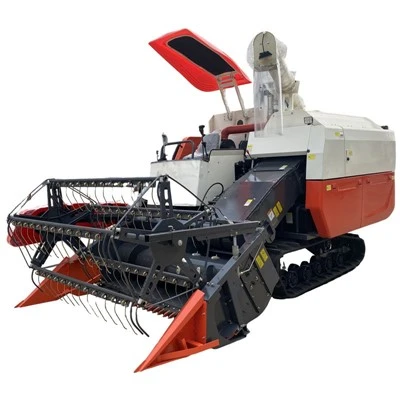
If you’re in the market for a new combine, or you’re looking to upgrade your current machine’s cleaning system, don’t overlook the fan. It’s the part that works as hard as you do during harvest, and getting it right is the difference between a successful year and a frustrating one. We’d be happy to walk you through our models, show you how our precision fans work, and help you find the setup that fits your farm’s specific needs. Reach out to our team today to discuss your harvest goals and see how we can help you maximize your yield and minimize your downtime.
Rice Combine Harvester References
- American Society of Agricultural and Biological Engineers. (2021). Standard for Combine Harvester Cleaning System Performance. ASABE S348.
- Gopala, T. V., & Singh, R. (2019). Aerodynamic Separation in Combine Harvesters: A Review of Fan Design and Calibration. Journal of Agricultural Engineering Research, 147, 112-125.
- USDA Agricultural Research Service. (2022). Combine Harvester Loss Reduction: The Role of Air Flow Calibration in Cleaning Systems. USDA ARS Technical Report 2022-007.
- Smith, J. A., et al. (2020). Smart Cleaning Systems for Modern Combine Harvesters: Integrating Fan Controls and Sensor Technology. Biosystems Engineering, 198, 245-258.
Huzhou Liangyi Agro Machinery Co., Ltd.
As one of the most professional combine harvester manufacturers and suppliers in China, we have world-leading production equipment and strong manufacturing capabilities. Please rest assured to wholesale advanced combine harvester from our factory. Contact us for more cheap products.
Address: High-Tech Industrial Zone, Huzhou City, Zhejiang Province, China
E-mail: Liangyi_agro@126.Com
WebSite: https://www.cnliangyi-agro.com/
